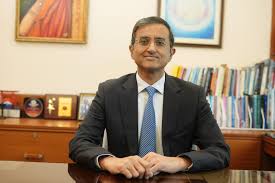
FY 26-27 Budget Expectation Quote | Mr. Gautam Khanna, CEO, P.D. Hinduja Hospital & Medical Research Centre, Mumbai

▴ Mr. Gautam Khanna, CEO, P.D. Hinduja Hospital & Medical Research Centre, Mumbai
The government has shown a strong commitment and invested in strengthening India’s healthcare system over the last few years.


The government has shown a strong commitment and invested in strengthening India’s healthcare system over the last few years. As we approach towards the union budget for FY 2026-27, there is an opportunity to further accelerate the progress by increasing government’s expenditure on health to 2.5-3% of the GDP. An increase allocation will help address infrastructure gaps, availability of skilled workplace and delivery of quality healthcare. 

The budget should increase investment in strengthening the network of district hospitals and expanding secondary and tertiary healthcare facilities. Additionally, increasing investment in preventive and early diagnostic facilities in Tier 2, 3 and rural regions of the country will be critical to reducing healthcare disparities. Given India’s increasing geriatric population, the government should place a greater emphasis on geriatric care including chronic disease management, appropriate infrastructure to address the evolving needs of senior citizens. 

In addition to higher public spending, the healthcare sector needs access to long term financing and simplified tax framework to enable scale and long-term sustainability. With access to long term and affordable credit can fuel necessary infrastructure expansion. Streamlining of the flagship Ayushman Bharat Scheme through broader procedure coverage, simpler hospital empanelment, and rationalised reimbursement timelines will unlock the scheme’s true potential. A holistic and effective strategy in the upcoming budget will help ensure the development of a robust, inclusive, and future-ready healthcare system.


Tags : #

About the Author


Team Medicircle

Related Stories

Loading Please wait...

-Advertisements-


Trending Now

Smart Operating Rooms: The Future of Hospital OTNovember 21, 2026
Smartphone Diagnostics: Phones as Medical Screening ToolsNovember 21, 2026
AI-Enabled Endoscopy: Can It Detect More Than the Human Eye?November 20, 2026
Hospital-at-Home in India: Can Technology Deliver Safe Care?November 20, 2026
Digital Identity Fraud in Healthcare: What India Must KnowNovember 18, 2026
Wearables in Clinical Care: When Should Doctors Trust the Data?November 18, 2026
Cybersecurity for Medical Startups: What Founders MissNovember 18, 2026
Remote Patient Monitoring: The Next Phase of Virtual CareNovember 18, 2026
Digital Health Wallets: Future of Medical Records in IndiaNovember 17, 2026
How Hospitals Can Prepare for a Transparent Healthcare MarketNovember 17, 2026
Childhood Nutrition: Understanding Micronutrient Gaps Beyond CaloriesNovember 16, 2026
Anaemia in Adolescent Girls: Connecting Prevention, Testing and Nutrition SupportNovember 16, 2026
Health Information Exchanges in India: Are Medical Records Finally Going Portable?November 16, 2026
Hospital Accreditation in 2026: What Is Changing Beyond the Checklist?November 16, 2026
Digital Insurance Platforms and India's Health Coverage FutureNovember 14, 2026
ABDM 2.0: India's Digital Health Ecosystem FutureNovember 14, 2026
Vaccine Cold-Chain Management: Protecting Immunisation Quality From Storage to DeliveryNovember 14, 2026
Foodborne Illness Surveillance: How Public Health Systems Track RisksNovember 14, 2026
Interoperability in Indian Healthcare: Why Patient Data Still StrugglesNovember 13, 2026