Tuesday, October 27, 2026
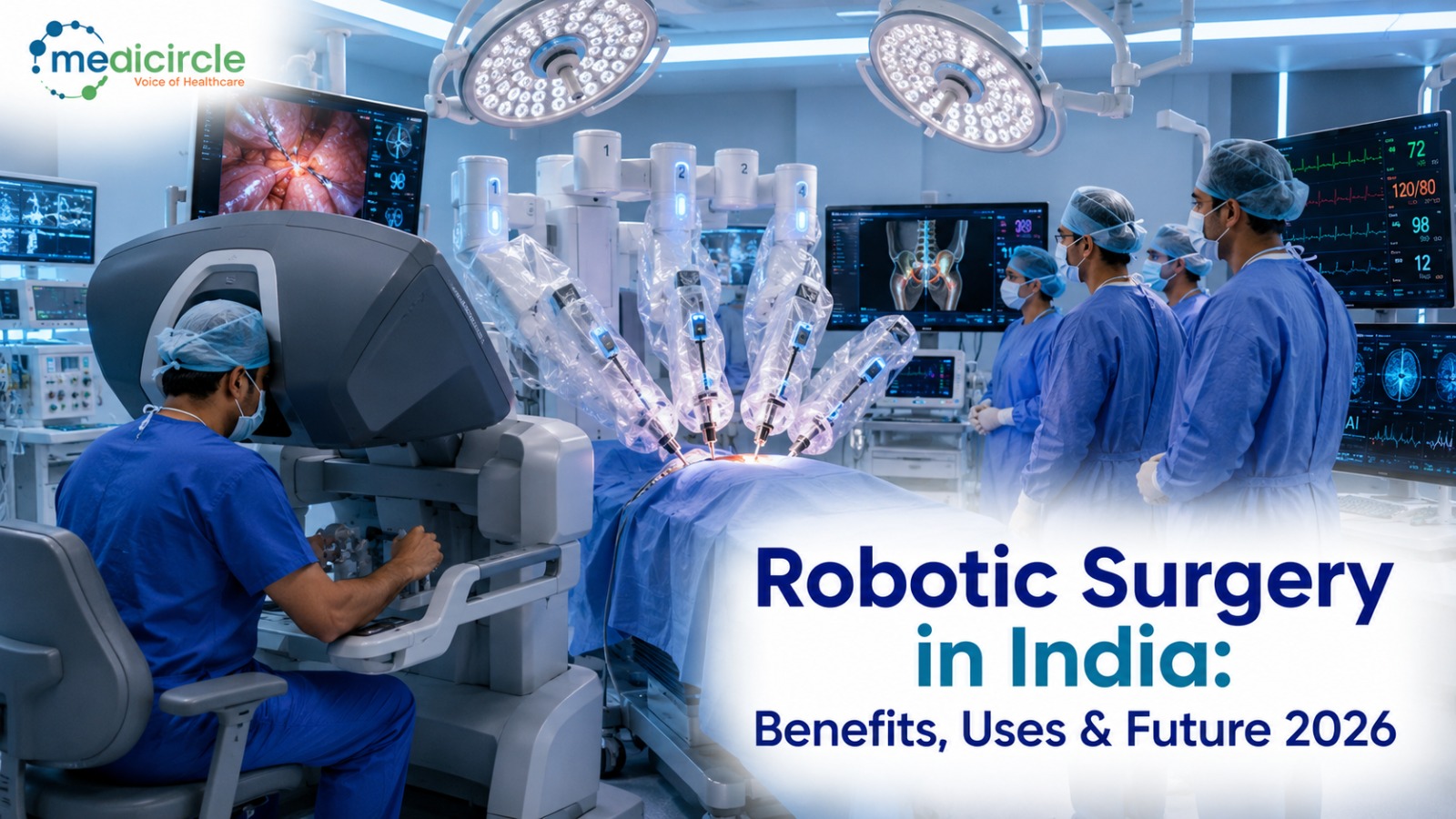
 Robotic surgery is reshaping surgical care across India, offering greater precision, smaller incisions, and faster recovery, while adoption expands beyond metro cities into Tier 2 and Tier 3 regions nationwide.





Introduction
Robotic surgery has moved from an experimental technology to an established part of modern surgical practice across India. What began as a handful of robotic systems installed in a few metro hospitals two decades ago has now expanded into a nationwide network spanning general surgery, urology, gynaecology, oncology, cardiac care, and orthopaedics. Patients today are not only aware of robotic surgery as an option, but they are also actively asking their doctors about it during consultations.
This shift matters because robotic surgery represents a meaningful evolution in how complex operations are performed. It combines a surgeon's judgement and skill with technology that offers greater precision, a magnified three-dimensional view of the operating field, and instruments that move with a level of control the human hand alone cannot always achieve. For patients, this often translates into smaller incisions, less blood loss, reduced pain, and a faster return to daily life. For the Indian healthcare system, it represents an opportunity to bring advanced surgical care closer to more people, including those in Tier 2 and Tier 3 cities.
This article explains what robotic surgery is, how it works, where it is used, what the research shows about its benefits and limitations, and what the future holds for this technology in India.
Understanding Robotic Surgery: The Basics
Robotic surgery, also called robot-assisted surgery, is a form of minimally invasive surgery in which a surgeon uses a robotic system to perform an operation through small incisions rather than one large opening. It is important to understand from the outset that the robot does not operate independently. It cannot think, decide, or move on its own. Every motion of the robotic arms is a direct translation of the surgeon's own hand and finger movements, carried out in real time from a console just a few feet away from the operating table.
A typical robotic surgical system has three core components. The first is a set of robotic arms that hold miniaturised surgical instruments. The second is a high-definition camera, usually offering a three-dimensional, magnified view of the surgical site, which is inserted through one of the small incisions. The third is a surgeon's console, where the operating surgeon sits and controls both the instruments and the camera using hand controls that resemble the joysticks used in advanced simulation systems.
The most widely used platform globally and in India has been the da Vinci Surgical System, developed by Intuitive Surgical. In recent years, India has also seen the emergence of indigenous and international alternatives, including the Versius system from CMR Surgical, SSI Mantra developed by Indian surgeon Dr Sudhir Srivastava, and Meril's MISSO and Mizzo platforms designed specifically for the Indian market at a lower cost point. This growing competition has been an important factor in making robotic surgery more accessible across the country.
During the procedure itself, the surgeon makes a few small incisions, places thin ports through them, and threads the robotic instruments and camera through these ports. Sitting at the console, the surgeon views a magnified image of the surgical area and manipulates the controls, while the robotic arms replicate those movements inside the patient's body with a level of steadiness and range of motion that filters out natural hand tremor. Once the procedure is complete, the instruments and ports are removed and the small incisions are closed.
Why Robotic Surgery Is Gaining Ground in India
India's relationship with robotic surgery has changed considerably over the past decade. The first surgical robot arrived in the country at Apollo Hospital, Delhi, in 2002, but widespread adoption in private hospitals only picked up momentum from around 2015 onward. Today, industry estimates suggest more than 100 surgical robots are operational across Indian hospitals, and surgeons across the country together perform an estimated 50,000 to 60,000 robotic procedures every year.
A few factors explain this growth. Surgeons increasingly prefer techniques that reduce complications and speed up recovery, which improves overall patient satisfaction and reduces the burden on hospital beds. Government and private investment in advanced medical technology has grown steadily, and the entry of more affordable, India-made robotic systems has reduced the cost barrier that once limited adoption to only the largest corporate hospitals.
Adoption is also no longer confined to metro cities. Hospitals in cities such as Lucknow, Nagpur, Mysuru, Indore, and Kochi are reporting a growing volume of robotic procedures across specialties including gastrointestinal surgery, urology, gynaecology, and oncology. Leading government institutions, including AIIMS Delhi, PGI Chandigarh, SGPGI Lucknow, JIPMER Puducherry, AIIMS Jodhpur, and AIIMS Rishikesh, have also brought robotic surgery into the public healthcare system, although government hospitals still account for a smaller share of installed systems compared to private hospitals, largely due to the high capital cost involved.
Gastrointestinal and general surgery currently account for the largest share of robotic procedures performed in India, followed closely by urology and gynaecology. Cardiac and orthopaedic applications are expanding as well, supported by newer platforms designed specifically for those specialties.
What Robotic Surgery Is Commonly Used For
Robot-assisted techniques are now used across a wide range of surgical specialties in India and globally. In gastrointestinal and general surgery, robotic systems assist with procedures such as gallbladder removal, hernia repair, colectomy, gastrectomy, and complex abdominal wall reconstruction. In urology, robotic surgery has become closely associated with prostatectomy, partial and radical nephrectomy for kidney conditions, and bladder reconstruction procedures.
Gynaecological applications include hysterectomy, myomectomy, and treatment for complex endometriosis. Cardiothoracic surgeons use robotic assistance for select procedures such as mitral valve repair and certain coronary bypass techniques, while orthopaedic surgeons increasingly rely on robotic guidance for joint replacement surgery, particularly knee replacement, where precise bone alignment has a direct bearing on long-term outcomes.
Robotic platforms are also finding a place in neurosurgery for procedures such as stereotactic biopsies and spinal instrumentation, and in ear, nose, and throat surgery for select tumour removal procedures performed through the mouth rather than external incisions.
Benefits of Robotic Surgery
Compared to traditional open surgery, robot-assisted procedures generally offer a shorter hospital stay, reduced blood loss, a lower risk of surgical site infection, and smaller, less noticeable scars. Patients often experience less postoperative pain and are able to resume normal activities sooner than they would after open surgery.
For surgeons, the benefits are just as significant. The robotic arms offer a far greater range of motion than the human hand and wrist, which allows for more precise movement in confined anatomical spaces such as the pelvis or the area around the prostate. The magnified, high-definition three-dimensional camera view improves depth perception considerably compared to standard laparoscopic cameras. Together, these advantages allow surgeons to perform more complex operations with a level of control that supports better surgical outcomes.
Some data points are worth noting here. Research comparing robotic and open surgery for certain procedures has found meaningfully lower rates of complications such as blood clots and hospital readmission with the robotic approach. That said, robotic surgery is not automatically superior for every procedure or every patient. Outcomes depend heavily on the type of surgery, the patient's overall health, and, importantly, the surgeon's training and experience with the specific robotic platform being used.
Risks and Limitations to Understand
Robotic surgery is not without its limitations, and being aware of them helps set realistic expectations. Because the surgeon operates through instruments rather than with direct touch, there is a loss of tactile feedback, which means the surgeon must rely more heavily on visual cues to judge how much pressure to apply to tissue. This can occasionally contribute to unintended tissue injury if not managed with sufficient training and experience.
Robotic procedures can also take longer in the operating room compared to some traditional techniques, particularly during a surgeon's learning curve with a new system. Equipment malfunction, while documented in medical literature, remains uncommon. There is also the practical reality that robotic surgery is only available at centres with the necessary equipment and trained surgical teams, which means it may not currently be accessible to every patient, particularly in smaller towns, although this is changing steadily as more affordable systems enter the market.
It is also worth noting that robotic surgery is generally a costlier option than laparoscopic or open surgery due to the expense of the equipment itself and its maintenance. However, several studies have found that these higher upfront costs are sometimes offset by shorter hospital stays and fewer complications, which can reduce overall treatment costs in certain procedures.
The Cost Question in the Indian Context
Cost remains one of the most common questions patients have about robotic surgery. In India, the price of a robotic procedure varies considerably depending on the hospital, the city, the complexity of the surgery, and the robotic system used. Even so, robotic surgery in India typically costs a fraction of what the same procedure would cost in the United States, the United Kingdom, or several other developed nations, which has made the country an increasingly attractive destination for medical tourists seeking advanced surgical care.
The entry of indigenous robotic systems has been a meaningful factor in bringing costs down further. Systems developed by Indian companies are generally priced lower than established international platforms, and this competition is gradually making robotic surgery a more viable option even for hospitals in smaller cities. Many Indian insurers now also extend coverage to robotic procedures when they are considered medically necessary, though patients should always confirm the specific terms of their policy with their insurer and hospital before the procedure.
Training and Surgeon Expertise
A common and reasonable question patients ask is whether a robotic system means less experienced hands are doing the work. The opposite is true. Surgeons who perform robotic procedures must undergo additional, structured training beyond their standard surgical qualifications. This typically includes online learning modules, supervised console training, simulator-based practice, and a period of assisting more experienced robotic surgeons before operating independently.
India now has a substantial and growing base of trained robotic surgeons, supported by dedicated training programmes at academic institutions and private hospitals. Bodies such as the Clinical Robotic Surgery Association of India bring together hundreds of surgeons who actively perform robotic procedures, contributing to a more standardised and experience-driven approach to training across the country. When choosing a hospital for robotic surgery, it is worth asking how frequently the surgical team performs the specific procedure being considered, since outcomes tend to improve with a surgeon's cumulative experience on a given platform.
Recovery and What Patients Can Expect
Recovery after robotic surgery is generally faster than after open surgery, though the exact timeline depends on the type of procedure and the patient's overall health. Many patients are able to get out of bed within hours of the anaesthesia wearing off and may be able to eat a light meal the same day. Hospital stays are often limited to one or two nights for many procedures, compared to considerably longer stays that open surgery may require.
At home, patients are usually advised to ease back into normal activity gradually, avoid heavy lifting until cleared by their surgeon, and watch the incision sites for signs of infection such as redness, warmth, or discharge. Persistent fever, worsening pain that does not respond to prescribed medication, or swelling in the leg or groin area should always be reported to the treating doctor promptly, as these can indicate complications that need timely attention.
The Road Ahead for Robotic Surgery in India
The future of robotic surgery in India is closely tied to two forces: affordability and artificial intelligence. As more domestic manufacturers enter the market and competition increases, the cost of acquiring and maintaining robotic systems is expected to decline further, which should accelerate adoption in Tier 2 and Tier 3 cities where access has historically lagged behind metro centres.
At the same time, artificial intelligence is beginning to play a larger role in surgical planning, real-time decision support, and surgeon training through automated performance metrics that can help evaluate technique and anticipate outcomes. Telesurgery, where a surgeon operates a robotic system from a distant location using high-speed, low-latency networks, has also moved from a research concept to early real-world use in India, opening the possibility of expert surgical care reaching patients in remote areas without requiring them to travel to a metro city.
India's growing burden of lifestyle-related and chronic diseases, its expanding medical tourism sector, and its relatively young and adaptable pool of surgical talent all point toward continued growth in robotic surgery adoption over the coming years. As with any advancing medical technology, the priority for hospitals, regulators, and healthcare communicators alike will be ensuring that this growth is guided by clinical evidence and patient safety rather than commercial pressure alone.
Conclusion
Robotic surgery has established itself as a genuine advancement in surgical care rather than a passing trend. Its ability to offer greater precision, reduced trauma to the body, and faster recovery has made it an increasingly common choice across Indian hospitals, from established metro institutions to hospitals in smaller cities that are now investing in this technology. At the same time, robotic surgery is not the right option for every patient or every procedure, and the decision should always be made in consultation with a qualified surgeon who can weigh the specific benefits and risks involved.
As India continues to expand access to robotic surgical care, informed patients and well-trained surgical teams will remain the two most important factors in ensuring this technology delivers on its promise. Platforms like Medicircle aim to support this journey by bringing credible, expert-reviewed information to patients and healthcare professionals navigating these choices.
Frequently Asked Questions
Q1: Is robotic surgery safe in India?
Robotic surgery in India is performed by trained and certified surgeons in accredited hospitals, and it carries a safety profile comparable to other advanced surgical techniques when done at experienced centres with adequate surgical volume.
Q2: How much does robotic surgery cost in India compared to other countries?
Robotic surgery in India typically costs considerably less than the same procedure in the United States or United Kingdom, which is a major reason India has become a preferred destination for medical tourists seeking robot-assisted care.
Q3: Does a robot actually perform the surgery on its own?
No. The robotic system only translates the surgeon's own hand and finger movements into precise, magnified motion inside the body. The surgeon remains in complete control of the procedure at all times.
Q4: Which surgeries in India commonly use robotic assistance?
Robotic assistance is widely used in India for gastrointestinal and general surgery, urology, gynaecology, oncology, cardiac surgery, and increasingly in orthopaedic joint replacement procedures.
Q5: Is robotic surgery covered by health insurance in India?
Many Indian insurers now cover robotic surgery when it is considered medically necessary, though coverage terms vary between policies and hospitals, so patients should confirm specific details with their insurer before the procedure.
Resources
- National Center for Biotechnology Information (PMC): Peer-reviewed review of robotic surgery literature, trends, and clinical outcomes.
- Cleveland Clinic Health Library: Patient-focused overview of robotic surgery procedures, risks, and recovery.
- Mayo Clinic: Clinical overview of robotic surgery applications and patient considerations.
- Indian Council of Medical Research (ICMR): Guidelines and publications relevant to surgical technology and patient safety in India.
- World Health Organization (WHO), India Country Office: Reports and guidance on healthcare innovation and patient safety standards.
Interlinking Keywords
robotic surgery, minimally invasive surgery, laparoscopic surgery, da Vinci Surgical System, robot-assisted surgery, surgical recovery, medical tourism India, urology surgery, robotic prostatectomy, hospital care in India
Last medically reviewed by:
Medicircle Editorial and Medical Advisory Team on July 16, 2026
Medical Disclaimer:
This article is intended for general informational and awareness purposes only and should not be considered a substitute for professional medical advice, diagnosis, or treatment. The suitability of robotic surgery for any individual depends on multiple clinical factors and must be assessed by a qualified surgeon. Readers are advised to consult a licensed healthcare provider for any medical concerns or before making decisions related to their treatment.





-23-300x250.png)

.jpeg)






.jpg)
.jpg)
.jpg)
.jpg)
.jpg)
.jpg)
.jpg)
.jpg)
.jpg)