Tuesday, October 27, 2026
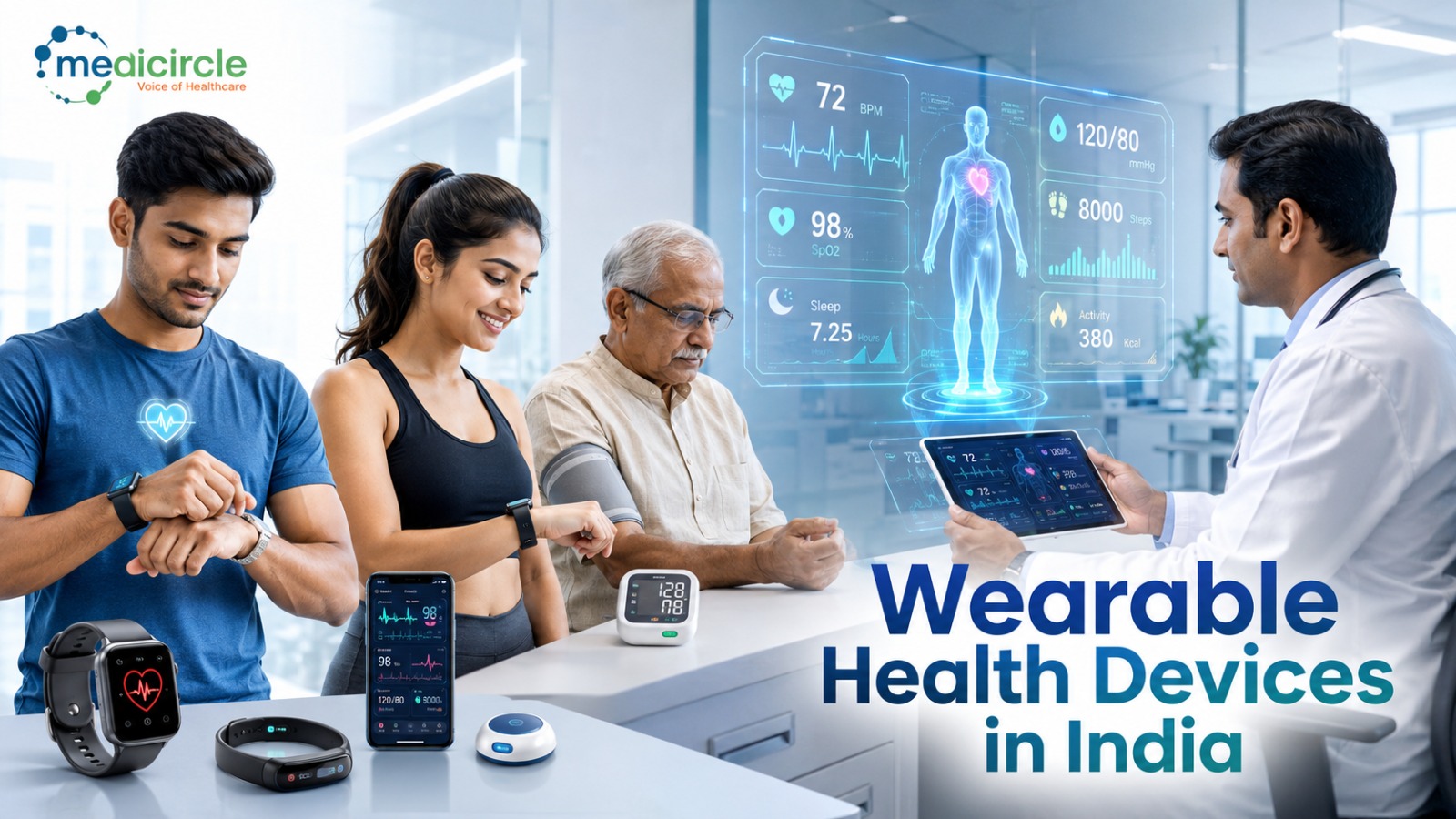
 Wearable health devices are reshaping preventive and chronic disease care in India, offering continuous monitoring, early detection, and greater patient engagement, though accuracy, privacy, and affordability remain important considerations for responsible use.





Introduction
Wearable health devices have moved from being a fitness accessory to becoming a meaningful part of how people monitor their health in India. Smartwatches, fitness bands, continuous glucose monitors, and ECG enabled rings are now being used not just by athletes and technology enthusiasts but also by patients managing chronic conditions, elderly individuals seeking safety features, and health conscious professionals in Tier 1 and Tier 2 cities alike.
India's relationship with wearable technology is distinctive. According to global wearable ownership data, adoption in India stands at 57 percent, among the highest in the world. At the same time, India's wearable medical device market is expected to grow from around Rs. 9,256 crore in 2024 to Rs. 37,380 crore by 2033, reflecting a compound annual growth rate of over 15 percent. This growth is not just about gadgets. It signals a broader shift towards preventive, data informed healthcare in a country that carries a heavy burden of chronic disease and where access to specialists is often limited outside major cities.
This article looks at what wearable health devices are, how they work, what they can genuinely offer patients and doctors, and where their limitations lie. The goal is to help readers make informed decisions rather than treat these devices as medical replacements.
Understanding Wearable Health Devices
Wearable health devices are electronic instruments worn on the body that continuously or periodically collect physiological data. This data is usually transmitted to a connected smartphone application, where it can be viewed by the user and, in some cases, shared with a healthcare provider.
Broadly, these devices fall into a few categories. Fitness trackers and smartwatches monitor steps, heart rate, sleep patterns, and general activity levels. Continuous glucose monitors track blood sugar trends throughout the day for people living with diabetes. Wearable ECG devices and Holter monitors record heart electrical activity to detect irregular rhythms such as atrial fibrillation. Blood pressure wearables provide ongoing readings for those managing hypertension, while pain management wearables use methods such as transcutaneous electrical nerve stimulation to help with chronic pain. Smart rings have also gained popularity recently for their discreet form factor while tracking similar metrics such as heart rate variability, body temperature, and sleep stages.
What ties these devices together is the shift they represent, from occasional clinical snapshots to continuous, real-time health data. A single blood pressure reading taken during a hospital visit reflects only that moment. A wearable device collecting readings throughout the day and night offers a much richer picture of how a person's body behaves under normal, everyday conditions.
Why Wearable Health Devices Matter for Indian Patients
India faces a significant and growing burden of non-communicable diseases, including diabetes, hypertension, and cardiovascular conditions. With a large population, an uneven distribution of specialists between urban and rural areas, and a healthcare system that is often reactive rather than preventive, tools that support early detection and continuous monitoring carry particular relevance.
Wearable health devices can support several practical outcomes for Indian patients:
- Earlier detection of irregular heart rhythms or blood pressure fluctuations, potentially prompting a timely visit to a doctor rather than a delayed one.
- Better day-to-day management of chronic conditions such as diabetes and hypertension, particularly for patients living far from specialist care.
- Support for elderly individuals living independently, through fall detection, emergency alerts, and activity monitoring that can offer families some peace of mind.
- Encouragement of healthier lifestyle habits through step counts, sleep tracking, and activity goals, which can be meaningful in a country facing rising rates of lifestyle-related disease.
Global research supports this direction. A scoping review published in JMIR mHealth and uHealth found that wearables can empower individuals to take greater responsibility for their health, particularly through behaviour change and closer collaboration between patients and healthcare providers. However, the same research noted that the benefits depend heavily on support from clinicians and on overcoming barriers such as device accuracy and patient engagement.
How Wearable Devices Are Being Used in Clinical Practice
The most established example of wearable technology in a clinical setting is the glucose monitor. Continuous glucose monitors have been used for diabetes management for over two decades, and newer devices worn on the skin for up to two weeks now transmit real-time glucose data to a smartphone, giving both patients and doctors ongoing visibility into blood sugar trends rather than a single fasting reading taken during a clinic visit.
Wearable ECG technology has followed a similar trajectory. Devices capable of recording a single lead ECG have shown accuracy comparable to traditional ECG machines in detecting certain irregular heart rhythms, and studies involving hundreds of thousands of participants have found that a majority of people who received an irregular pulse notification from a wearable were later confirmed to have atrial fibrillation through formal testing. This kind of early flagging, followed by proper clinical confirmation, is where wearables tend to add the most genuine value.
Remote patient monitoring is another area gaining ground, both globally and in India. Hospitals and healthcare providers investing in remote monitoring infrastructure can use wearable data to track patients after discharge, monitor those with chronic conditions between visits, and intervene earlier when a concerning trend emerges. This is particularly useful in a country where post-discharge follow-up can be inconsistent due to distance, cost, or limited specialist availability.
Interoperability and the Indian Digital Health Ecosystem
For wearable health data to be genuinely useful to doctors, it needs to reach them in a usable form. This is where interoperability, the ability of different health systems and devices to exchange data smoothly, becomes important.
India's Ayushman Bharat Digital Mission has been building the foundation for this kind of integration. While the mission does not fund or distribute wearable devices, it establishes common standards for digital health records, consent-based data sharing, and interoperability across healthcare systems. This means that, as adoption grows, data collected from a wearable device could increasingly be incorporated into a patient's broader digital health record, supported by frameworks such as ABDM and aligned with the National Health Policy's emphasis on accessible, technology-enabled care.
For hospitals and healthcare providers, this shift also depends on their own health information technology systems being able to receive, filter, and act on data streaming in from patient devices, rather than being overwhelmed by raw information with little clinical structure. Health technology platforms that use structured data analysis to highlight meaningful patterns, rather than simply logging numbers, will likely determine how much clinical value wearables ultimately deliver in Indian hospitals and clinics.
Benefits for Patients, Doctors, and the Healthcare System
For patients, the appeal of wearable health devices often begins with convenience and a sense of control. Being able to track one's own heart rate, sleep, or glucose levels without needing a clinic visit for every reading gives people a more active role in managing their health. This is particularly valuable for patients with chronic conditions who need ongoing monitoring rather than periodic checkups.
For doctors, the value lies in access to richer, longitudinal data. Instead of relying solely on readings taken during a short appointment, physicians can review trends over days or weeks, which can inform more personalised treatment plans and support earlier clinical decision-making. Wearable data can also improve doctor-patient conversations, since patients arrive better informed about their own patterns and more engaged in shared decision-making.
At a system level, wearable technology has the potential to ease pressure on an already strained healthcare infrastructure. By supporting preventive care and reducing the need for certain routine in-person visits, wearables may help reduce avoidable hospital admissions and free up clinical time for patients who need it most. Industry estimates suggest wearable-enabled remote monitoring could meaningfully reduce hospital costs over the coming years, a consideration that matters for a country working to expand affordable healthcare access.
Limitations and Points of Caution
Despite their promise, wearable health devices come with real limitations that patients and healthcare providers should keep in mind.
Accuracy remains an important concern. Many consumer wearables, including popular fitness trackers and smartwatches, are not classified or regulated as medical devices unless they make specific medical claims. This means their readings should generally be treated as indicative rather than diagnostic. Devices that do carry regulatory clearance for specific medical functions, such as certain ECG features, tend to offer more clinically reliable data, but even these should support, not replace, a doctor's assessment.
Data privacy is another significant issue, particularly as India's data protection framework continues to evolve. Health data is sensitive by nature, and patients should understand how their information is stored, used, and shared before adopting a device, especially when that data may be linked to insurance, employers, or third-party platforms.
Cost and access also remain barriers. High-end wearable devices with clinical-grade features can be expensive, which risks widening health inequalities between those who can afford continuous monitoring tools and those who cannot. This is a particularly relevant consideration in India, where affordability plays a central role in healthcare decisions across Tier 1 and Tier 2 cities alike.
Finally, engagement tends to decline over time. Research has consistently shown that a significant proportion of users stop using wearable devices within months of purchase, often due to loss of interest, discomfort, or a lack of perceived value. For wearables to deliver lasting health benefits, sustained use matters more than the initial purchase.
Choosing and Using a Wearable Health Device Responsibly
Anyone considering a wearable health device should start by identifying what they actually want to monitor. Someone managing hypertension has different needs from someone recovering from a cardiac event or an elderly parent living alone. Matching the device's features, whether that is blood pressure tracking, fall detection, or glucose monitoring, to the specific health goal tends to produce better outcomes than choosing a device based on general popularity.
It is equally important to treat wearable data as a conversation starter with a doctor rather than a final answer. A concerning trend on a smartwatch, such as a persistently irregular heart rate notification, is a reason to seek proper clinical evaluation, not a diagnosis in itself. Patients should also periodically validate wearable readings against clinical equipment, particularly for conditions like hypertension or diabetes where treatment decisions carry real consequences.
Families supporting elderly relatives may find particular value in devices offering fall detection and emergency alerts, since these features address safety concerns that are otherwise difficult to monitor remotely. As always, ease of use should be weighed carefully, since a device that is too complicated to operate offers little practical benefit regardless of its features.
The Road Ahead for Wearable Health Technology in India
Wearable health devices are unlikely to replace traditional healthcare delivery, but they are steadily becoming a meaningful complement to it. As India's digital health infrastructure matures and interoperability standards continue to develop under frameworks such as ABDM, the data collected by these devices has the potential to flow more seamlessly into clinical workflows, supporting both preventive care and chronic disease management on a larger scale.
For this potential to be realised responsibly, collaboration between doctors, technology companies, regulators, and patients will be essential. Healthcare providers need clear guidance on interpreting wearable data, patients need transparency about how their information is used, and the industry needs to continue improving both the accuracy and affordability of these devices. Handled well, wearable health technology could meaningfully support India's shift towards more proactive, accessible, and personalised healthcare.
Frequently Asked Questions
Q1: Are wearable health devices accurate enough to replace medical tests?
Wearable health devices offer useful trend data but are not a substitute for clinical diagnostic tests. They should be used as a supportive tool alongside regular medical check-ups, and any concerning readings should be confirmed with a qualified doctor.
Q2: Can wearable health devices help manage diabetes in India?
Continuous glucose monitors and smartwatches with glucose tracking features can help patients observe trends in blood sugar levels throughout the day. However, insulin dosage and treatment decisions should always be guided by a doctor rather than the device alone.
Q3: Are wearable health devices covered under Ayushman Bharat or Indian insurance?
Most wearable health devices are currently purchased out of pocket in India. However, the digital health data they generate can potentially be integrated with the Ayushman Bharat Digital Mission ecosystem to support continuity of care across providers.
Q4: Is patient data from wearable health devices safe in India?
Data safety depends on the specific manufacturer and companion app used. Patients should review privacy policies carefully and stay informed about India's evolving digital personal data protection regulations before sharing sensitive health data.
Q5: Which wearable health device is best for elderly patients in India?
For elderly patients, devices offering fall detection, heart rate monitoring, and emergency alert features tend to provide the most practical safety benefits. Ease of use should also be a key factor when choosing a device for older adults.
Resources
- Ayushman Bharat Digital Mission (ABDM): Official information on India's digital health interoperability framework and consent-based data sharing standards.
- World Health Organization (WHO): Global guidance and reports on digital health technologies and non-communicable disease prevention.
- Indian Council of Medical Research (ICMR): Research and guidelines relevant to chronic disease management and digital health interventions in India.
- JMIR mHealth and uHealth: Peer-reviewed research on wearable technology, patient empowerment, and remote health monitoring.
- National Health Portal of India (NHP): Government resource for public health information and preventive care guidance.
Interlinking Keywords
wearable health devices, remote patient monitoring, chronic disease management, continuous glucose monitor, digital health in India, preventive healthcare, Ayushman Bharat Digital Mission, heart rate monitoring, telemedicine in India, patient engagement
Last medically reviewed by:
Medicircle Editorial and Medical Advisory Team on July 16, 2026
Medical Disclaimer:
This article is intended for general informational and educational purposes only. It does not constitute medical advice, diagnosis, or treatment. Wearable health devices should be used as a supportive tool and not as a replacement for professional medical consultation. Readers experiencing health concerns should consult a qualified healthcare provider before making decisions based on wearable device data.





-23-300x250.png)

.jpeg)



.jpg)
.jpg)
.jpg)
.jpg)
.jpg)
.jpg)
.jpg)
.jpg)
.jpg)