 Thursday, October 08, 2026
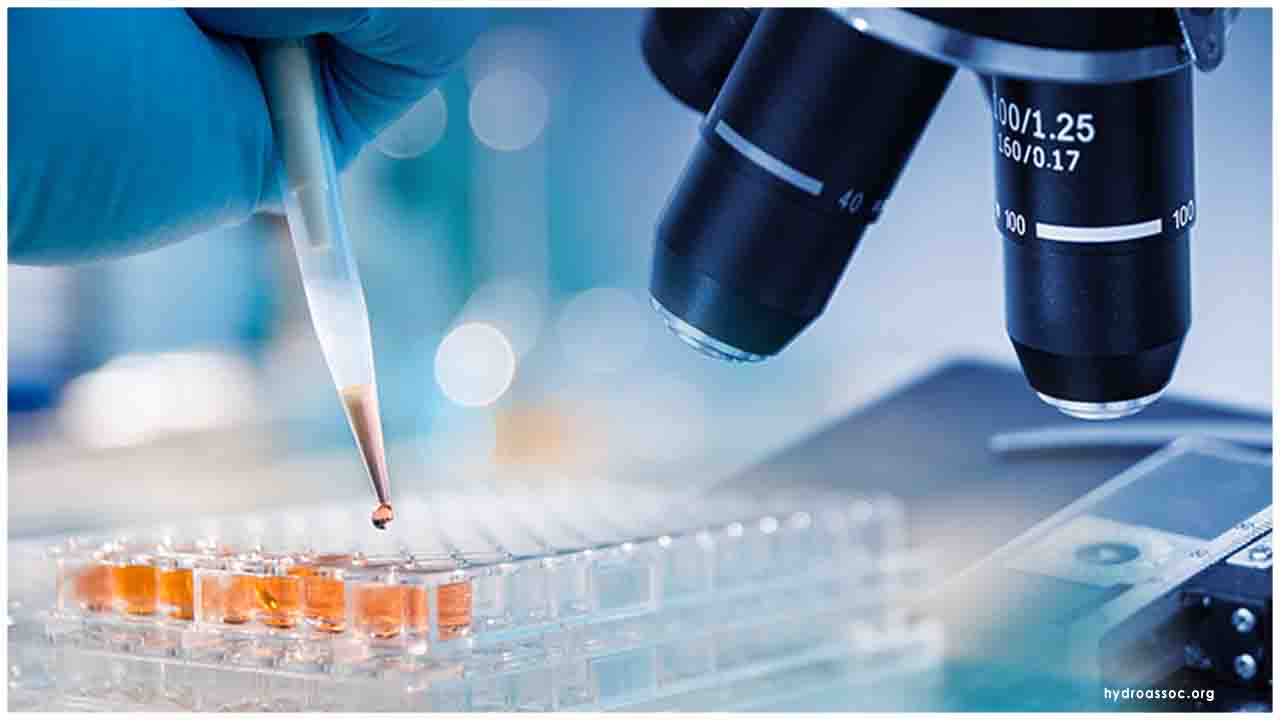
 The agreement that gives Astrea the ability to secure exclusive access to the Affimer technology for applications in bioprocessing




Gamma Biosciences, a life sciences tools platform created by KKR, recently announced a licensing agreement between Astrea Bioseparations, a leader in affinity chromatography and bioseparations, and Avacta, a developer of innovative cancer therapies and diagnostics based on proprietary Affimer and preCISION platforms. The licensing agreement gives Astrea access to the Affimer technology for applications in bioprocessing, expanding its range of ligand discovery and development capabilities to include best-in-class chemical and biological platforms for customer development programs.
Affimer reagents are high-performance proteinaceous ligands that have been engineered for a wide range of applications as superior alternatives to antibody-based ligands. They can be used to selectively bind difficult targets, even where antibodies and aptamers have shown limitations. In combination with our proven Mimetic Ligand chemical ligand libraries, the Affimer ligand platform significantly expands our capacity to discover, develop and deliver custom affinity adsorbents for purification of biotherapeutics and advanced therapies,” said Dr Steve Burton, CEO of Astrea Bioseparations.
“Avacta chose to partner with Astrea based on its 35-year history of developing customized chromatography resins and affinity ligands, and a shared passion for advancing medicine. The license agreement includes an option that gives Astrea the ability to secure exclusive access to the Affimer technology for applications in bioprocessing. We look forward to partnering with the capable team at Astrea to enable new advances in the industry,” said Alastair Smith, CEO at Avacta.
“This agreement is a step forward as Astrea continues to redefine what is possible with affinity chromatography aligned with meticulous customer support. The license enables Astrea to provide an almost limitless repertoire of selective binding ligands with the ability to attach these to a variety of high-performance chromatography substrates, from PuraBead near-monodisperse agarose beads to the NanoPareilSM high-surface-area nano-fiber membranes,” said Phil Vanek, CTO at Gamma Biosciences.
Initial development work will focus on viral vectors and custom projects for third parties, leveraging the benefits of ligand diversity, stability, favorable elution conditions, and reproducible performance to address these traditionally challenging categories. The Astrea Bioseparations team expects to begin development of new products based on the technology early in 2021. Custom project inquiries are welcome and may be directed to Bruce Dawson at Astrea






.jpeg)










.jpg)
.jpg)
.jpg)
.jpg)
.jpg)
.jpg)


.jpg)