 Thursday, October 08, 2026
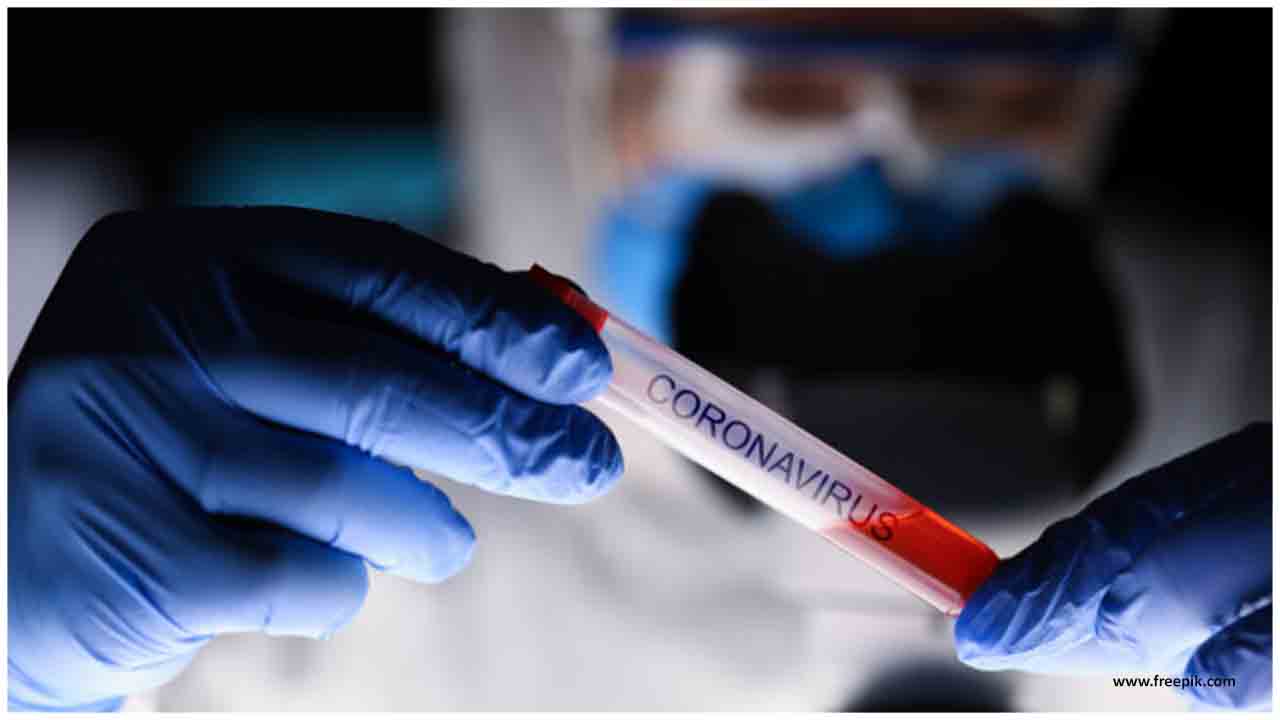
 Now asymptotic individuals also could get themselves tested for COVID-19, states advised to ramp up facilities




With the aim to remove all impediments in testing, Ms. Preeti Sudan, Health Secretary and Dr. Balram Bhargava, DG (ICMR) today urged the States/UTs to take immediate steps to facilitate and ramp up testing. They have reiterated that ‘test-track-treat’ is the key strategy for early detection and containment of the pandemic.
Pointing out that in some States/ UTs, the capacity utilization of the testing labs, particularly the ones in the private sector, is grossly sub-optimal, States/UTs have been strongly advised to take all possible steps to ensure full capacity utilization of all COVID-19 testing laboratories in the State/ UT.
States/UTs have been advised to facilitate testing at the earliest by enabling all qualified medical practitioners, including private practitioners, to prescribe the COVID test to any individual fulfilling the criteria for testing as per ICMR guidelines.
ICMR has strongly recommended that laboratories should be free to test any individual in accordance to the ICMR Guidelines and State authorities must not restrict an individual from getting tested, as early testing will help in containing the virus and saving lives. While RT-PCR is the gold standard for diagnosis of COVlD-19, ICMR has recently approved the use of a point-of-care Rapid Antigen Test for early detection of COVID-19. The test is quick, simple, safe and can be used as a point-of-care test in containment zones as well as hospitals, as per criteria specified by ICMR for testing. More such kits are being validated by ICMR to increase the available options to the citizens. ICMR has so far approved a total of 1,056 laboratories for COVID-19 testing. Of this, 764 labs are in public sector and 292 are in the private sector.
In order to facilitate testing, States/UTs have also been advised to make efforts in 'campaign mode' by setting up camps/ using mobiles vans in high incidence areas to collect samples of all symptomatic individuals as well as their contacts and get those samples tested by using rapid antigen tests. The positive individuals should be treated according to the treatment protocol and the negative ones should be tested for RT-PCR. Also, the rate for RT-PCR tests by private labs should be finalized by the States/UTs. They have been further advised to make it mandatory for all labs to upload the testing data on the ICMR database as well as report to State/ District/ City authorities for surveillance and contact tracing.
In addition to ramping up and facilitating testing, States/UTs have also been urged to pay attention to 'contact tracing' as it holds the key to containing the virus. States have also been asked to maintain strict vigil and continue to make all possible efforts for effective management of COVID-19.






.jpeg)










.jpg)
.jpg)
.jpg)
.jpg)
.jpg)
.jpg)


.jpg)