 Thursday, November 19, 2026
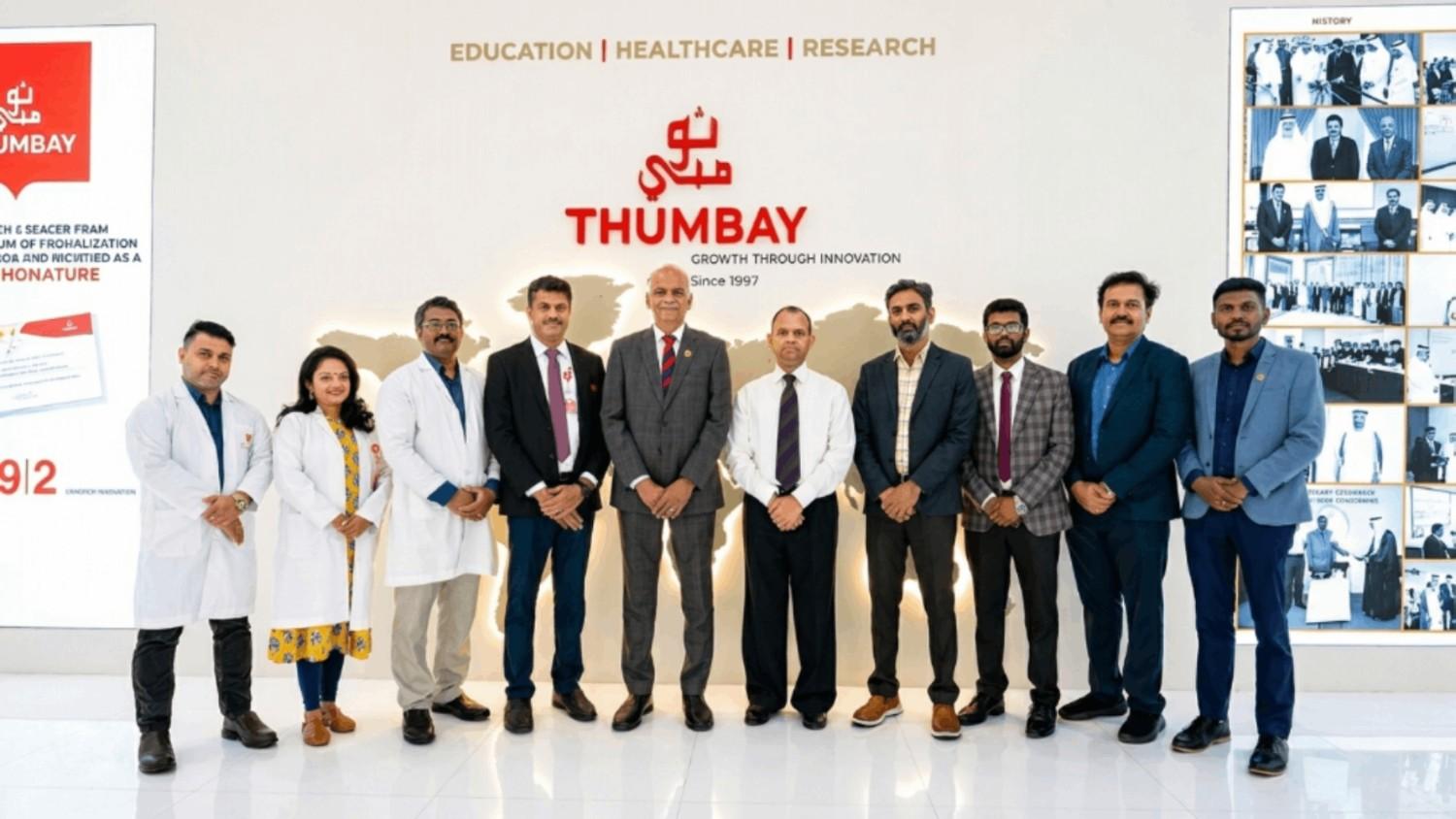
 Gulf Medical University (GMU) has achieved a significant global milestone as its Physiotherapy Program secures full accreditation from World Physiotherapy, making it the first in the UAE and among a select group of programs worldwide to receive this prestigious recognition.





Ajman, UAE – Gulf Medical University (GMU) has achieved a significant global milestone as its Physiotherapy Program secures full accreditation from World Physiotherapy, making it the first in the UAE and among a select group of programs worldwide to receive this prestigious recognition. The accreditation is awarded for five years and follows a rigorous international evaluation process aligned with globally benchmarked standards in physiotherapy education, clinical training, and professional competency.
This achievement places GMU within an exclusive international cohort of institutions that meet the highest standards set by World Physiotherapy. Unlike conventional rankings, this accreditation reflects quality, compliance, and excellence in delivering physiotherapy education that meets global expectations. It also marks a defining moment for the UAE’s higher education landscape, reinforcing the country’s growing role in advancing world-class healthcare education and professional training.
Prof. Manda Venkatramana, Chancellor of Gulf Medical University, said this accreditation is a proud milestone for the institution and a strong affirmation of its commitment to academic excellence and international standards. He noted that the recognition reflects GMU’s broader vision of building a globally respected academic healthcare institution that integrates education, research, innovation, and patient-centered care, while continuing to elevate the quality of health professions education in the region.
Dr. Praveen Kumar, Dean of the College of Health Sciences at Gulf Medical University, emphasized that the recognition is a significant achievement for both the college and the Bachelor of Physiotherapy program. He highlighted that the accreditation reflects the strength of the curriculum, the competency-based approach to education, and the university’s strong focus on continuous clinical training. He added that it also stands as a testament to the dedication of faculty members who are committed to preparing competent, ethical, and future-ready healthcare professionals capable of meeting global healthcare demands.
Reflecting on the achievement, Dr.Thumbay Moideen, Founder President of Thumbay Group, stated that this milestone aligns with the group’s long-standing vision of building a world-class academic health system that seamlessly integrates education, healthcare, and research.
Admissions for the 2026–2027 academic year are now open, a limited number of seats available for the Bachelor of Physiotherapy program. With this new global accreditation, prospective students have the opportunity to enroll in a program that meets international standards and offers strong clinical exposure, global recognition, and promising career pathways in physiotherapy.
With this accreditation, graduates of GMU’s Physiotherapy Program gain enhanced global recognition, improved career mobility, and wider access to international clinical opportunities. The achievement further strengthens GMU’s position as a globally influential institution in medical education, clinical training, and research, while opening new pathways for international collaborations and academic partnerships. For more information, visit gmu.ac.ae





-23-300x250.png)





















