 Saturday, November 21, 2026
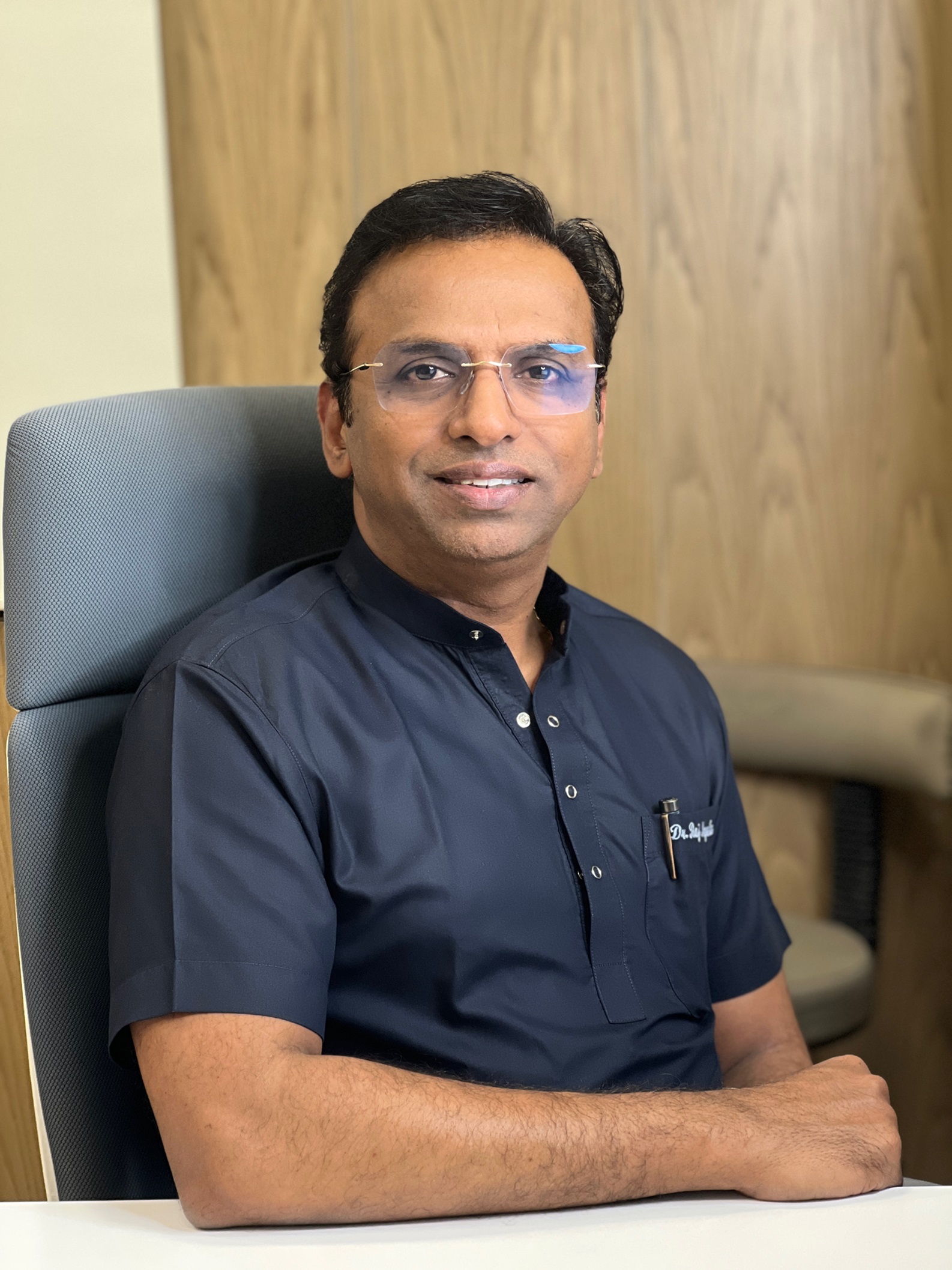
 In a significant step forward for precision diagnostics in tier 2 and 3 cities India, HCG Manavata Cancer Centre (HCGMCC) has announced a strategic partnership with health-tech innovator Qure.ai to implement cutting-edge AI-powered imaging solutions for early detection and structured management of lung diseases





👉 Order now at BestCheapPills and discover exclusive discounts for registeredcustomers!
Nashik, August 18: In a significant step forward for precision diagnostics in tier 2 and 3 cities India, HCG Manavata Cancer Centre (HCGMCC) has announced a strategic partnership with health-tech innovator Qure.ai to implement cutting-edge AI-powered imaging solutions for early detection and structured management of lung diseases, including suspected lung cancer. Under this partnership, qXR (AI-enabled Chest X-ray) and qCT (AI-enabled Chest CT) will be deployed at the hospital, supported by qTrack - Qure.ai’s comprehensive disease tracking platform. The technology enables real-time risk identification and automated triaging to significantly improve the accuracy and speed of diagnosis.
The deployment is part of Qure.ai’s on-going collaboration with Johnson & Johnson MedTech, aimed at democratising lung health by scaling AI-powered solutions across India.
“A 5 mm nodule missed today becomes stage-four cancer tomorrow. Qure.ai’s AI acts as our 24/7 digital sentinel catching whispers of disease before symptoms scream. This collaboration allows us to expand the boundaries of what’s possible in early detection,” says Prof Dr Raj Nagarkar, Chief of Surgical Oncology & Robotic Services and Managing Director - KIMS Manavata Hospitals, HCG Manavata Cancer Centre and Six Sigma, Nashik.
The hospital has also launched a dedicated Incidental Pulmonary Nodule (IPN) Clinic, positioning HCG Manavata Cancer Centre as a central hub in a hub-and-spoke model for the region. The clinic will ensure structured follow-up for high-risk imaging findings, facilitate timely intervention and improve outcomes for patients especially, in early-stage lung cancer where detection is often delayed.
“With this alliance, we are setting a precedent for how AI, robotics and next gen therapies can converge in a regional setting to build India’s future-ready oncology ecosystem,” adds Dr Nagarkar.
Over the last year, HCGMCC has made significant advances in the field including developing a breakthrough blood test that can detect 30 different cancers with an accuracy of 98.4 per cent, a global milestone published in Cancer Reports. It has also established a Centre of Excellence in Cell and Gene Therapy, bringing cutting-edge therapies like CAR-T cell therapy to patients in non-metro cities.
“Our mission is to make the most advanced cancer care accessible to everyone and not just in big cities, but across regions around Nashik. Whether it's AI, cell and gene therapies or robotic precision surgery, we are bringing the future of oncology to patients today,” concludes Dr Nagarkar.
About HCG Manavata Cancer Centre (HCGMCC): -
Established in 2007 by Dr Raj Nagarkar, HCGMCC – Nashik is Central India's first NABH-accredited facility. With over 54 consultant oncologists, 900 staff members and a 275-bed capacity, HCGMCC is a leading institution, offering holistic cancer treatment. Specializing in surgical, radiation and medical oncology, the centre has conducted 95,000 surgeries, including 1,600 plus robotic-assisted procedures. Patient-centric and multidisciplinary, HCGMCC recommends treatments to individual needs. Beyond clinical excellence, the centre’s financial aid programs underscore its commitment to accessibility and community well-being, redefining cancer care in the pursuit of a cancer-free future.





-23-300x250.png)




















