 Thursday, October 08, 2026
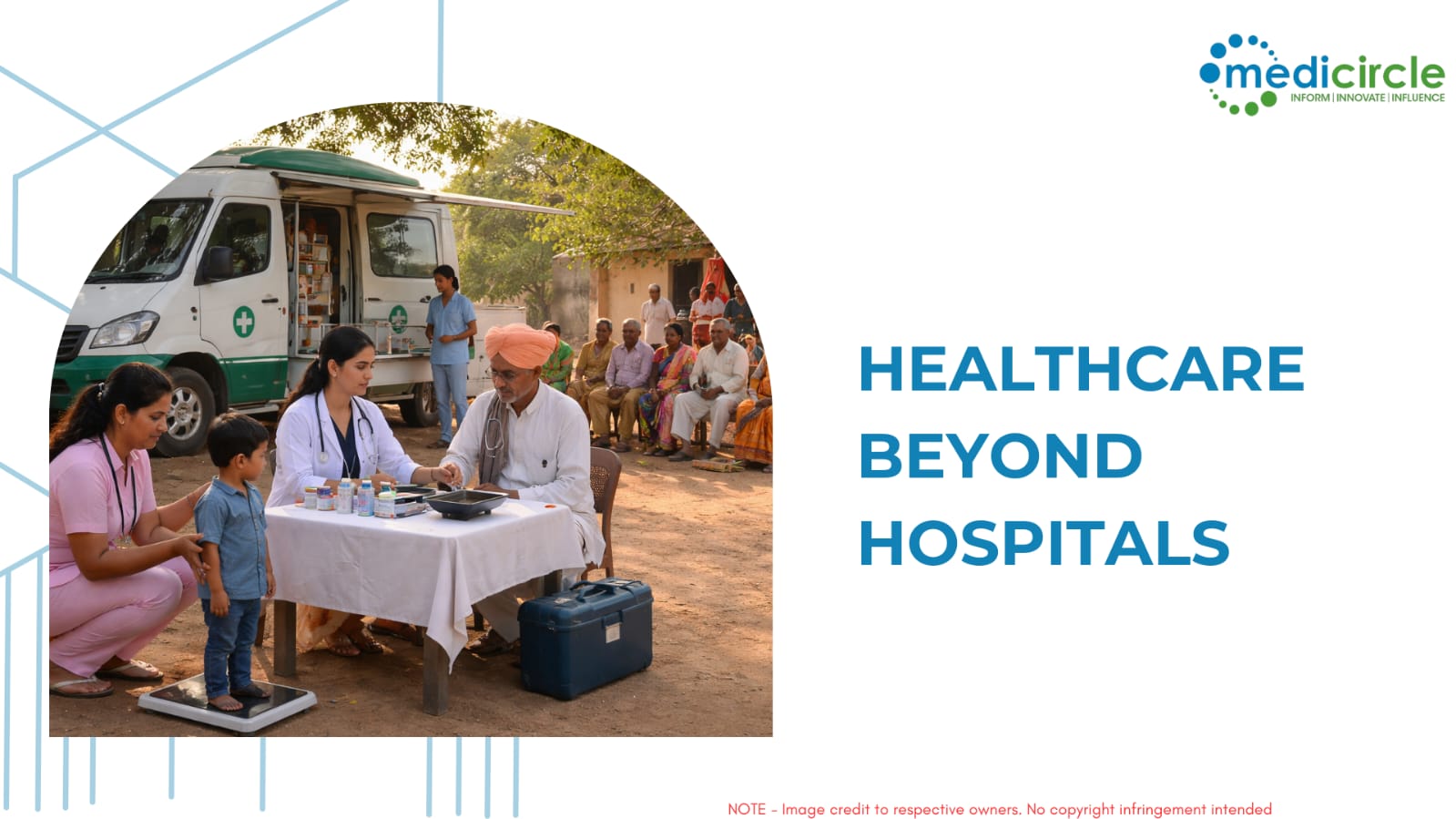
 Healthcare in India is expanding beyond hospitals through telemedicine, digital pharmacies, mental health apps, and preventive platforms, empowering people with accessible, continuous, and life-integrated care across homes and communities.




For generations in India, the word healthcare has brought to mind a specific image. People think of the imposing building of a hospital, the hurried pace of doctors in white coats, and the anxious wait in a crowded corridor. A hospital is a place one visits when feeling unwell. However, a subtle yet powerful shift is happening across the country. The very essence of care is stepping out from those institutional walls. It is weaving itself into the spaces where daily life unfolds, in living rooms, neighborhoods, and on smartphones.
This transformation is not a story about hospitals becoming obsolete, as they remain vital for critical care. This is a story about empowerment and accessibility. It is about healthcare systems finally meeting people where they are. This shift recognizes that wellness is a daily journey rather than a destination reached only during a crisis.
From Clinic to Couch:
We can be honest about the old way. The traditional process could be exhausting. A routine check-up for a parent or a child often meant planning for a long day. It involved taking time off work, arranging transport, navigating city traffic, and waiting for hours. All this effort was typically for a fifteen-minute conversation. That familiar model is now being gently challenged.
Today, the first point of contact with a specialist can be a calm video call from a sofa at home. The pandemic certainly accelerated this adoption. The true success in a country as vast as India lies in how it bridges a fundamental gap. This technology connects a renowned doctor in a metro city with a family in a smaller town or a remote village. In such areas, specialist care was once a day-long trip away. This change is transformative for managing ongoing health. Regular monitoring for blood pressure or diabetes becomes less of a logistical battle. Even post-operative follow-ups can become more simple and consistent conversations.
The Pharmacy in Your Pocket:
Consider the last time there was an urgent need for medicine. Many remember the frantic search for a chemist that was open, coupled with worry about whether they had the required stock. That experience creates universal stress. That experience is now changing for millions of people. Now, with a few taps on a trusted application, people can have prescribed medicines delivered to their door, often on the same day.
These digital services are evolving beyond the function of simple delivery. They are becoming part of a connected health ecosystem. One might consult with a doctor through the platform, receive a digital prescription, and order the medication in one continuous flow. For an elderly person living alone or a caregiver managing family health, this represents more than mere convenience. It acts as a reliable support system that ensures treatment continues without interruption.
Caring for the Mind:
Perhaps the most profound expansion of care beyond physical walls is happening in mental and emotional wellness. A growing understanding exists that stress, anxiety, or low mood do not operate on a nine-to-five schedule. These feelings often do not require a formal clinic visit. A new wave of digital platforms offers a first step or continuous support directly from a personal phone.
These tools provide a private space for mindfulness, often featuring guided meditation to calm a busy mind. They offer simple methods to track mood patterns or connect through text with a trained professional. By making these resources available at all hours, they help normalize the act of caring for personal mental health. This approach integrates support seamlessly into daily life. It represents care that is discreet, immediate, and profoundly personal.
Shift from Cure to Prevention:
This change is also happening at a systemic level, showing a refreshing focus on keeping people healthy from the beginning. New health insurers and wellness platforms use technology to shift focus from treating sickness to promoting health. They nudge users with vaccination reminders, provide easy access to affordable full-body check-ups, and offer curated wellness content.
Grassroots innovations are also solving very real problems. Some organizations have created secure channels to collect unused and unexpired medicines from households. These medicines are then redirected to patients who cannot afford them. This initiative addresses medication waste and affordability through one compassionate and circular model. It is a simple idea that reflects a larger principle. Healthcare solutions have the potential to be both intelligent and deeply humane.
A New Rhythm for Care:
So what does this all mean when added together? The narrative of Indian healthcare is being gently rewritten. It is moving from a system people visit fearfully only when something is broken. It is becoming a supportive partner that participates in lifelong well-being.
The future of health in India is now taking shape. It is a future where technology is not seen as cold or impersonal. Instead, technology serves as a powerful tool to deliver warmth and connection. It is the technology that allows a specialist’s expertise to reach a village clinic monitor in real time. Yet it also continues to value the familiar and trusted advice of a local family chemist.
The goal is a healthcare experience that fits into a person’s life rather than pulling them out of it. This experience should be effective, respectful, and understanding. Ultimately, the concept is about realizing that the best care is not defined by the grandeur of the building it's offered in. It is defined by the simplicity and dignity with which it reaches the person. This is the quiet promise of healthcare beyond hospitals, a promise that is slowly but surely taking root across India.






.jpeg)










.jpg)
.jpg)
.jpg)
.jpg)
.jpg)
.jpg)


.jpg)