 Tuesday, October 27, 2026

 India's healthcare innovation stories reflect how hospitals, startups, government programmes, and clinicians are solving access, affordability, and quality challenges through technology, policy, and resourceful clinical practice.





Introduction
India's healthcare landscape is undergoing a remarkable transformation. From remote villages in Rajasthan receiving AI-assisted diagnoses to tertiary hospitals in Mumbai deploying robotic surgical systems, the country is no longer just a passive participant in the global health innovation conversation. It is, increasingly, leading parts of it.
What makes this transformation compelling is not merely the technology involved. It is the human context behind it. India's healthcare challenges are uniquely complex: a population of over 1.4 billion people, massive rural-urban disparities, a shortage of specialists in underserved regions, a rising burden of non-communicable diseases, and a healthcare infrastructure that is still catching up with demand. These pressures have forced Indian hospitals, startups, government agencies, and clinicians to develop solutions that are resourceful, scalable, and deeply practical.
Healthcare innovation stories from India are not abstract case studies. They are accounts of real systems, real institutions, and real people finding ways to deliver better care under real constraints. Understanding these stories matters because they reveal how innovation functions when the stakes are exceptionally high and the margin for failure is exceptionally thin.
Understanding What Healthcare Innovation Means in the Indian Context
In developed economies, healthcare innovation often refers to incremental improvements built on already robust systems. In India, innovation frequently means doing something entirely new because the existing system cannot meet the need. This distinction is important.
Indian healthcare innovation tends to operate along several axes. The first is access. Reaching patients in Tier 3 cities, tribal regions, and hilly terrains has demanded creative thinking around telemedicine, mobile health units, and community health worker models. The second axis is affordability. A large proportion of India's population still pays for healthcare out of pocket, which means any innovation must be cost-conscious from the outset. The third axis is speed. Public health crises, disease outbreaks, and seasonal health burdens require rapid-response solutions that can be deployed without lengthy procurement cycles.
The Indian government has recognised these axes and built policy frameworks around them. The Ayushman Bharat Digital Mission (ABDM) is building a national digital health ecosystem that links patients, providers, and payers through unique health IDs and interoperable health records. The Ayushman Bharat Pradhan Mantri Jan Arogya Yojana (PM-JAY) has expanded financial protection for hospitalisation to millions of families. The National Health Policy and various state-level programmes are actively encouraging public-private partnerships to bridge infrastructure gaps.
Against this backdrop, the stories of innovation emerging from Indian healthcare carry both practical and symbolic weight.
Key Areas Where Innovation Is Making a Real Difference
Telemedicine and Digital Health AccessThe COVID-19 pandemic accelerated telemedicine adoption in India by several years. What had been a slowly growing practice became an essential service almost overnight. The Telemedicine Practice Guidelines released by the Ministry of Health and Family Welfare in 2020 provided the regulatory foundation, and since then, platforms and hospital systems across the country have built out digital consultation infrastructure at scale.
What is particularly significant in India's telemedicine story is its reach into rural and semi-urban areas. States like Andhra Pradesh and Telangana have built dedicated e-health centres that connect patients in primary health centres to specialist doctors at district or state hospitals. These systems are not replacing in-person care. They are extending the reach of specialist expertise to populations that would otherwise have no meaningful access to it.
The ABDM's Health ID system is central to making these digital interactions clinically useful. When a patient's longitudinal health record can be accessed securely by any consenting provider, telemedicine consultations become more accurate, safer, and more connected to the patient's full clinical picture.
Artificial Intelligence in DiagnosticsSeveral Indian hospitals and health-technology companies have pioneered the use of artificial intelligence in diagnostic imaging and pathology. AI tools trained on large datasets of Indian patient populations are being used to screen for diabetic retinopathy, detect tuberculosis from chest X-rays, and flag abnormalities in mammograms and ECGs.
The diabetic retinopathy screening story is particularly compelling. India has one of the highest burdens of diabetes in the world, and diabetic retinopathy is a leading cause of preventable blindness. Ophthalmologists are not available in adequate numbers in rural areas. AI-powered retinal screening devices, some of them portable enough to be used in community health camps, are helping to close this diagnostic gap. Trained health workers can now conduct screenings that previously required a specialist, and the AI flags cases that need urgent referral.
This model of task-shifting supported by intelligent tools is one of India's most promising contributions to global health innovation thinking.
Medical Device Innovation and Frugal EngineeringIndia has long been associated with the concept of frugal innovation, developing solutions that are functional, effective, and affordable without being stripped down or inferior. In the medical device space, this philosophy has produced genuinely impactful results.
Indigenous portable ventilators, low-cost neonatal warmers, affordable point-of-care diagnostic devices for conditions like anaemia and blood glucose, and compact ECG machines designed for use in primary care settings are examples of products developed and manufactured in India that serve the country's own healthcare needs while also finding markets in other low- and middle-income countries.
The government's push through initiatives like Make in India and the Production Linked Incentive scheme for medical devices is strengthening domestic manufacturing capacity and reducing dependence on imported equipment. This has direct implications for healthcare delivery because locally manufactured devices can be priced, serviced, and distributed more efficiently within the country.
Hospital-Led Innovation in Clinical ProtocolsInnovation in Indian healthcare is not limited to technology startups. Established hospital systems have been quietly developing and refining clinical protocols that improve outcomes, reduce errors, and lower costs. Large hospital networks have implemented sepsis early-warning systems, standardised surgical checklists, antibiotic stewardship programmes, and structured falls-prevention protocols that have measurably improved patient safety indicators.
NABH-accredited hospitals, in particular, are held to quality standards that encourage systematic process improvement. The accreditation framework pushes hospitals to document outcomes, analyse adverse events, and develop institutional learning mechanisms. This creates a culture where innovation in care delivery becomes a continuous institutional practice rather than a one-time initiative.
Healthtech Startups and the Ecosystem Around ThemIndia's healthtech startup ecosystem has matured considerably over the past decade. Companies working in areas including electronic health records, pharmacy logistics, home healthcare, chronic disease management, and mental health support have attracted significant investment and, more importantly, have demonstrated measurable impact.
Key characteristics of successful Indian healthtech companies include a strong understanding of the local healthcare consumer, the ability to navigate India's regulatory landscape, and a business model that works at Indian price points. Companies that have scaled successfully have often done so by solving a problem that the formal healthcare system has not been able to address, whether that is medication adherence for diabetic patients, last-mile delivery of medicines in rural areas, or accessible and affordable mental health counselling through digital platforms.
Challenges That Innovation Must Confront
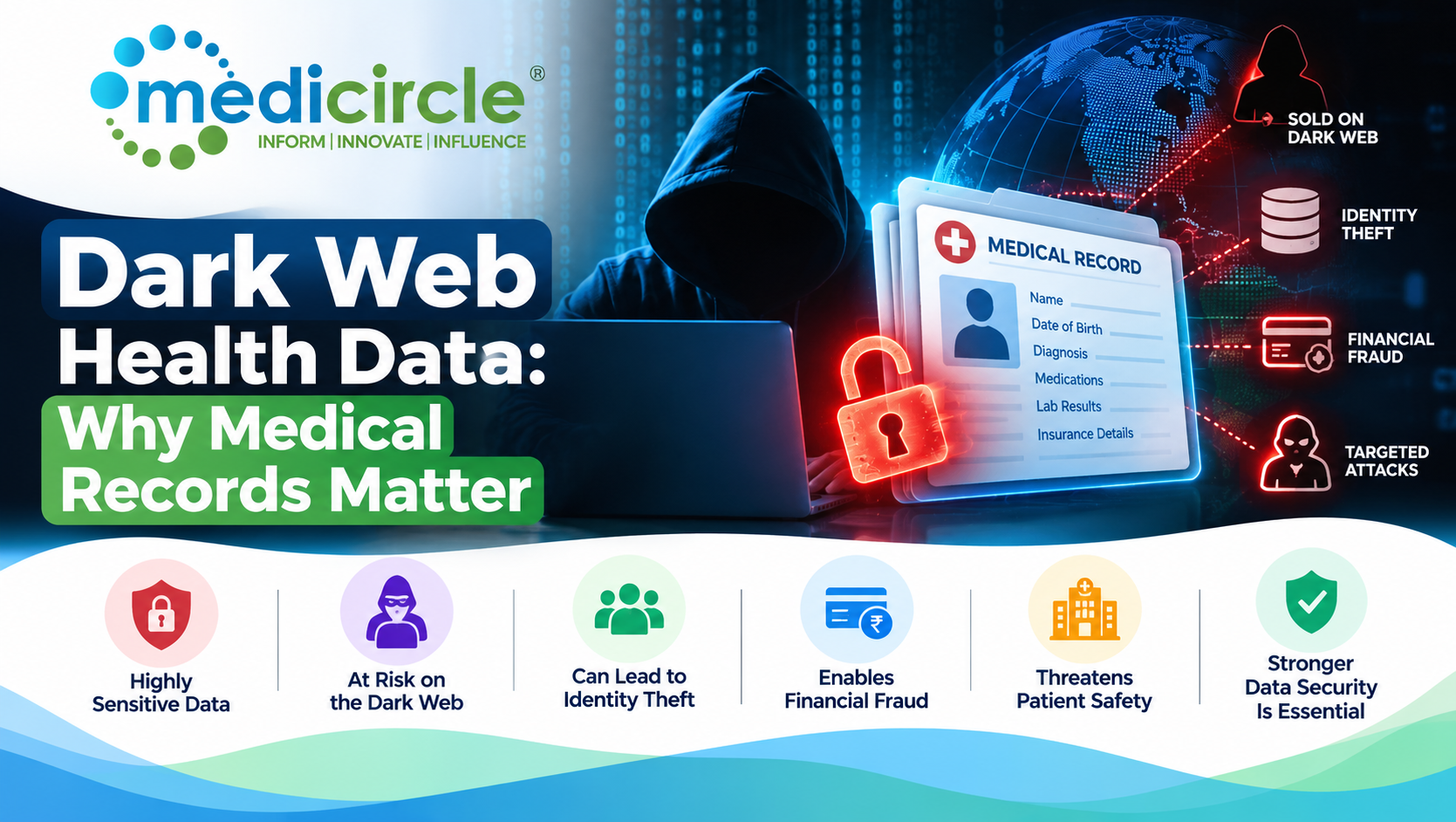
Acknowledging the progress in healthcare innovation also requires an honest look at the barriers that remain. Data privacy and security concerns around digital health records are significant and require robust policy and technical safeguards. Health literacy gaps mean that patients often cannot fully benefit from digital health tools without adequate support. Infrastructure challenges in terms of reliable electricity, internet connectivity, and device availability still limit the reach of technology-based solutions in the most underserved regions.
There is also the challenge of sustainability. Many healthcare innovations in India begin as pilot programmes and struggle to scale beyond initial funding periods. Building sustainable business models, securing consistent public sector partnerships, and ensuring that innovations continue to serve their intended populations over time remain open and important questions.
Additionally, the workforce dimension of innovation cannot be overlooked. Technology can augment clinical capacity, but it cannot substitute for a well-trained, well-supported, and adequately distributed healthcare workforce. Investments in medical education, nursing education, allied health professional training, and rural service incentives remain as critical as any technological deployment.
The Role of Media and Communication in Amplifying Innovation
Healthcare innovation stories deserve to be told with accuracy, depth, and context. For hospitals showcasing new clinical capabilities, for health technology companies demonstrating real-world impact, and for policymakers articulating the outcomes of public health programmes, credible media coverage is not optional. It is essential for building trust, attracting partnerships, and informing the public.
Platforms like Medicircle serve a meaningful function in this ecosystem. By bringing expert voices, hospital stories, industry updates, and patient awareness content to a broad but healthcare-literate audience, they create a communication layer that connects innovators with the people who can benefit from, invest in, advocate for, or simply understand their work. Healthcare innovation without communication is incomplete. The story matters as much as the solution.
Conclusion
India's healthcare innovation journey is real, ongoing, and consequential. It is shaped by necessity, driven by ingenuity, supported by policy, and carried forward by thousands of clinicians, technologists, administrators, and public health workers who recognise that the status quo is not sufficient for the scale of need that exists.
The stories of innovation emerging from Indian hospitals, health startups, government programmes, and research institutions are not inspirational abstractions. They are evidence that meaningful, scalable, and affordable improvements in healthcare delivery are achievable, even in the most resource-constrained environments. They are also reminders that innovation is most powerful when it is grounded in a genuine understanding of the people it is designed to serve.
For healthcare professionals, institutions, and brands committed to contributing to this journey, finding the right platforms to share knowledge, build credibility, and engage with a relevant audience is a strategic priority. India's healthcare story is being written now. The voices that contribute to it with expertise, honesty, and purpose will shape what it ultimately becomes.
Frequently Asked Questions
Q1: What are the most important areas of healthcare innovation in India today?
The most significant areas include telemedicine and digital health access, artificial intelligence in diagnostics, frugal medical device development, clinical protocol innovation within hospitals, and the growth of the healthtech startup ecosystem. Each of these is addressing a specific gap in India's healthcare delivery system.
Q2: How is the Indian government supporting healthcare innovation?
The government is supporting innovation through initiatives such as the Ayushman Bharat Digital Mission, PM-JAY, the Production Linked Incentive scheme for medical devices, and the Telemedicine Practice Guidelines. These frameworks create regulatory clarity, financial support, and infrastructure for innovation to function and scale.
Q3: What role does artificial intelligence play in Indian healthcare?
Artificial intelligence is being used in India primarily for diagnostic support, including screening for diabetic retinopathy, tuberculosis detection from chest X-rays, and flagging abnormalities in cardiac and oncology imaging. These tools are helping to extend diagnostic capability to underserved populations by supporting trained health workers in the absence of specialists.
Q4: What challenges does healthcare innovation face in India?
Key challenges include data privacy and digital security concerns, health literacy gaps among patients, infrastructure limitations in rural areas, the difficulty of scaling pilot programmes into sustainable long-term solutions, and the ongoing need to invest in healthcare workforce development alongside technology deployment.
Q5: Why is healthcare communication important for innovation in India?
Credible communication ensures that healthcare innovations reach the right audiences, build public trust, attract investment and partnerships, and inform policy decisions. Platforms that provide accurate, expert-led healthcare content play a direct role in accelerating the adoption and impact of healthcare innovations across India.
Resources
- Ayushman Bharat Digital Mission (ABDM): Official government platform for India's national digital health ecosystem and health ID framework
- Indian Council of Medical Research (ICMR): Primary body for biomedical research in India, publishing guidelines and data on disease burden and health priorities
- National Accreditation Board for Hospitals and Healthcare Providers (NABH): Standards body for hospital quality and patient safety accreditation in India
- World Health Organization India Country Office: WHO reports and data on public health priorities, disease burden, and health system performance in India
- Ministry of Health and Family Welfare, Government of India: Official source for national health policy, schemes, and regulatory frameworks including telemedicine guidelines
Interlinking Keywords:
healthcare innovation India, telemedicine in India, Ayushman Bharat Digital Mission, AI in Indian diagnostics, NABH accreditation, healthtech startups India, frugal medical devices, digital health ecosystem, Indian hospital quality, healthcare communication platform
Last Medically Reviewed by:
Medicircle Medical Editorial Board on August 22, 2026
Disclaimer:
This article is intended for informational and awareness purposes only. It does not constitute medical advice, clinical guidance, or an endorsement of any specific product, service, or organisation. Readers should consult qualified healthcare professionals for personalised medical guidance. Medicircle does not make any diagnostic or therapeutic claims through this content.





-23-300x250.png)

.jpeg)






.jpg)
.jpg)
.jpg)
.jpg)
.jpg)
.jpg)
.jpg)
.jpg)
.jpg)

