Tuesday, October 27, 2026
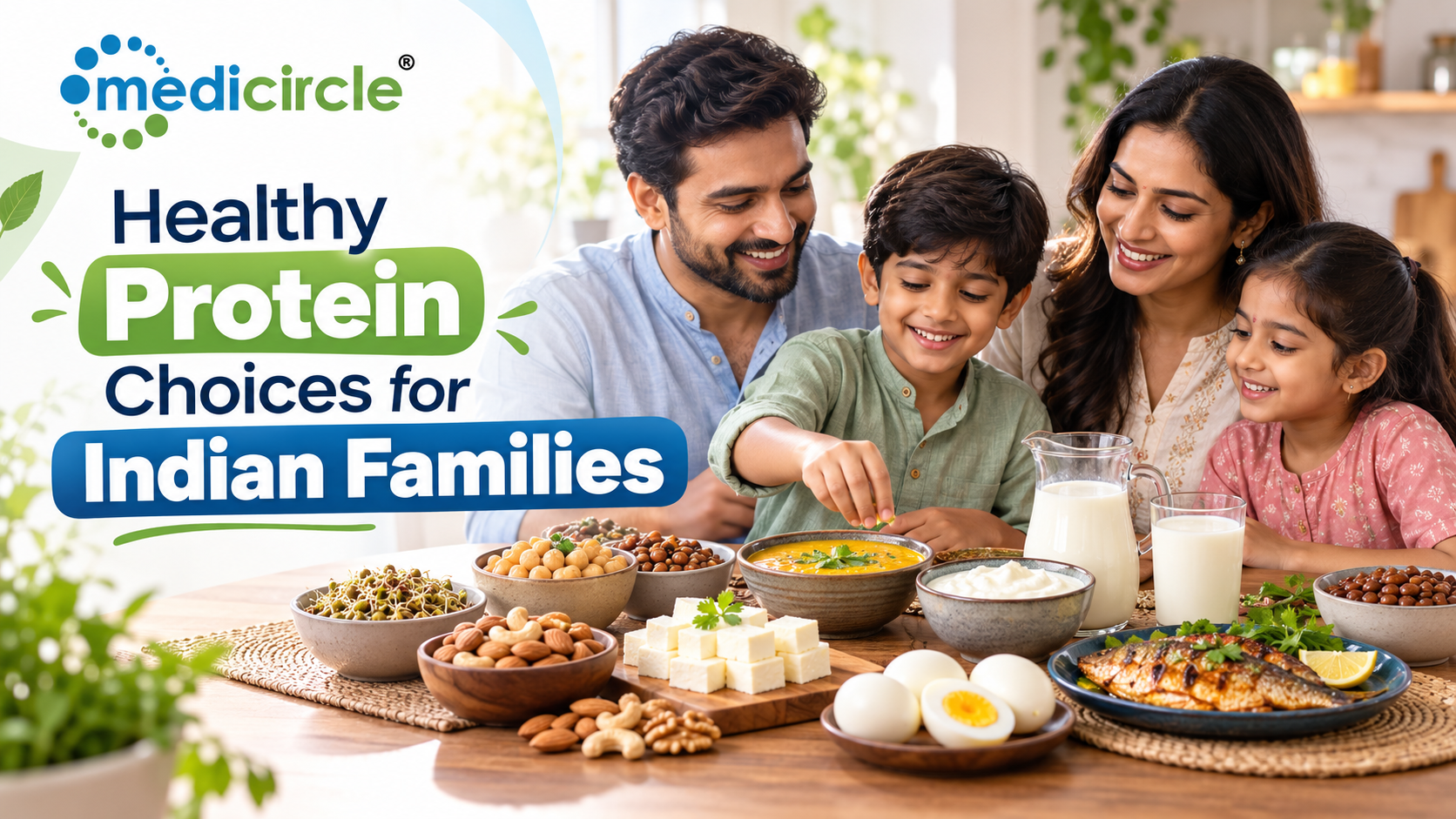
 Protein supports growth, muscle maintenance, recovery, and overall health. Indian families can meet daily needs through dals, pulses, dairy, eggs, soy, fish, lean meats, nuts, and balanced portions.




Introduction
You’re juggling work, school runs, and the never-ending question: "What’s for dinner that everyone will eat and that’s actually good for them?" It’s a familiar scene in many Indian households. Protein often becomes the trickiest piece of the puzzle — especially when balancing tastes, budgets and dietary preferences.
This article speaks directly to that kitchen table. We’ll explain what protein does, show practical vegetarian and non-vegetarian protein foods you can use, give portion-planning tips, and offer ideas for balanced meals the whole family can enjoy. You’ll also find safety notes and guidance on when to seek professional help.
We include the best protein sources for a balanced Indian diet in a way that’s practical, culturally relevant and mindful of common concerns such as muscle maintenance, vegetarian choices and everyday budgets.
What it means: protein and why it matters in everyday life
Protein is one of the three main macronutrients (along with carbohydrates and fats). At the microscopic level, protein is built from amino acids—some of which our body can make, and some we must obtain from food. Those essential amino acids are important for growth, repairing tissues, making enzymes and hormones, and supporting the immune system.
Explaining jargon: a “complete protein” contains all essential amino acids in proportions your body needs. Animal proteins (like eggs, milk, fish and meat) are typically complete, while many plant proteins are incomplete on their own but can be combined across the day to meet needs.
Why this is practical: for children growing steadily, adults maintaining muscle and older family members preserving strength, getting enough good-quality protein matters. It doesn’t mean piling plates high with meat or supplements — rather, it’s about sensible choices and mixing foods so meals are nourishing and palatable.
Why it matters: common goals and concerns in Indian families
- Muscle maintenance: As we age, muscle mass can decline; adequate protein plus resistance activity helps preserve strength and mobility.
- Growth and recovery: Children, pregnant or breastfeeding women, and people recovering from illness need reliable protein to support growth and repair.
- Budget and culture: Vegetarian households want to meet needs without relying on expensive or imported products, while mixed households juggle preferences.
- Practical cooking: Families want recipes that are quick, familiar and use local ingredients like dal and pulses, paneer, soya, eggs and fish.
Balancing these concerns is what a pragmatic nutrition plan does: it emphasizes a variety of protein foods, reasonable portion planning, and meals that work for everyday Indian kitchens.
Practical guidance: vegetarian and non-vegetarian protein foods and how to use them
Below are commonly available protein foods in India, grouped to help planning. Short notes explain strengths, typical serving ideas and how to combine them in balanced meals.
Plant-based staples (dal and pulses, legumes and soy)- Lentils, toor dal, moong, masoor, chana, rajma, and urad dal are economical, versatile, and rich in protein and fibre. A cup of cooked dal or rajma provides a substantial protein contribution to the meal.
- Soya products: tofu, soya chunks and soya granules are concentrated plant protein sources. They are especially useful where vegetarian household members need extra protein density.
- Chickpeas (chana) and black gram deliver texture and satiety; they work well in curries, chole, chaat and salads.
Tip: combine dals with cereals (rice, rotis) to improve the amino acid profile. Classic combinations like dal-chawal or chole-roti are not only comforting but nutritionally effective.
Dairy and eggs- Milk, curd (yoghurt), paneer and buttermilk (chaas) are familiar, calcium-rich sources that contribute quality protein. Paneer is particularly useful for children and older adults who need easy-to-chew protein.
- Eggs are inexpensive, nutrient-dense and convenient. Whole eggs provide protein and healthy fats; boiled, scrambled, or made into omelettes, they work across meals.
Note: For households that worry about cholesterol, current dietary guidance supports moderate egg intake as part of balanced meals for most people; discuss personalised limits with a clinician if you have heart disease or other conditions.
Fish, poultry and lean meat- Fish such as rohu, katla, and mackerel (bangda) supply high-quality protein and, in many cases, heart-friendly fats (especially in small oily fish). Grilled, steamed, or lightly curried fish can be quick family favourites.
- Chicken (skinless breast or thigh) offers lean protein and is easy to portion-control. Use grilled, baked or curried preparations rather than deep frying.
- Lean cuts of mutton or beef (based on cultural preferences) can be included occasionally; trimming visible fat and avoiding processed meats (sausages, cold cuts) is a healthier approach.
- Peanuts, almonds, walnuts, chia and flaxseeds provide both protein and healthy fats. They are calorie-dense, so a small handful acts as a nutritious snack or meal addition.
- Millets (ragi, bajra, jowar) offer more protein and fibre than refined cereals and can be rotated with rice and wheat for variety.
You don’t need to combine proteins at a single meal. Eating a mix of legumes, cereals and dairy over the day generally ensures all essential amino acids are consumed. For example, dal at lunch and curd or milk with breakfast and evening snacks can together provide a well-rounded amino acid profile.
Portion planning: practical household measures and examplesPortion planning helps families ensure balanced meals without complicated calculations. These are general, non-prescriptive examples to guide plate composition:
- Cooked dal or legumes: a small katori (¾ cup) at a meal for adults; adjust for children.
- Paneer or tofu: 50–100 g per adult serving (a couple of medium cubes per serving in curries or salads).
- Eggs: 1–2 per meal for adults, depending on appetite.
- Fish or chicken: 75–120 g cooked (about the size of a palm) as a main protein portion.
- Milk/curd: 1 glass or a small bowl daily as part of snacks or meals.
Portion planning must consider age, activity level and health conditions. Growing teenagers, athletes and pregnant women often need more. Older adults may need protein spaced across meals to aid muscle maintenance.
Meal examples for a family- Breakfast: Vegetable upma with roasted peanuts or poha with peas and a glass of milk; or besan chilla with coriander-yoghurt dip.
- Lunch: Brown rice with toor dal, mixed vegetable sabzi, cucumber salad and a small bowl of curd.
- Evening snack: Boiled egg with chaat masala, or roasted chana and a cup of buttermilk.
- Dinner: Grilled fish or tofu tikka, whole-wheat rotis, spinach dal and a simple salad.
These ideas use local foods and simple techniques so the family can eat well without extra shopping or elaborate cooking.
Balancing risks and limitations
- Kidney disease: If someone in the household has known kidney disease, protein needs and limits change significantly. High-protein diets can be harmful in some kidney conditions. Always consult the treating physician or renal dietitian before increasing protein.
- Excessive reliance on processed meats: Regular consumption of processed or deep-fried meats and high-fat red meats has been linked to worse health outcomes. Favor fresh, lean preparations and plant-forward meals.
- Cost and access: Pulses and milk are often the most cost-effective sources of protein in many Indian homes. Plan meals around seasonal vegetables and supermarket/market deals to keep budgets on track.
- Allergies and intolerances: Milk, nuts, eggs and soy are common allergens. If a child or adult has reactions, seek medical advice and choose alternative protein foods.
Common questions
Can one be vegetarian and still meet protein needs?Yes. Vegetarian diets based on dals and pulses, dairy, soya, nuts and millets can meet protein needs. The key is variety and portion planning: combining plant protein sources and including dairy or fortified foods where appropriate.
Are supplements necessary?Most families can meet protein needs with regular food. Protein powders and supplements are not necessary for the average person and are not a replacement for whole foods. They may be used under professional guidance for specific medical or athletic reasons.
Is animal protein "better" than plant protein?Animal proteins are often complete, but good plant-based combinations cover essential amino acids too. Choosing a mix of plant and animal sources can be a practical approach for mixed households.
How does protein support muscle maintenance?Protein provides the building blocks for muscle proteins. Paired with resistance exercises (like bodyweight exercises or resistance bands), adequate dietary protein supports muscle repair and maintenance. For older adults, spreading protein intake through the day can be particularly helpful.
What if a family member dislikes typical protein foods?Small changes help: blend paneer into kebabs, add soya granules to keema-style dishes, fold eggs into fried rice, or toss roasted chickpeas into salads. Sneaking in protein through favourite flavours and textures often improves acceptance.
Are there cultural dishes that provide good protein?Many traditional dishes are protein-friendly. Examples include sambar with idli/dosa (lentils and fermented batter), chole with bhature or roti, rajma chawal, and fish curries from coastal regions. These can be made healthier by reducing oil and increasing vegetables.
FAQs
- How can I make dal more protein-rich?
Cook dal with added moong or masoor, toss in roasted peanuts, or add paneer/tofu cubes to a serving for extra protein and texture.
- Is soya safe for children and women?
Soya is a nutritious plant protein used widely around the world. For most people, moderate use within a varied diet is fine. If you have specific concerns (thyroid issues, allergies), discuss them with your doctor.
- What are quick protein snacks for schoolchildren?
Boiled eggs (if allowed), roasted chana, peanut chikki in small portions, yoghurt with fruit, or paneer cubes can be quick, portable options.
- Can I rely on milk for daily protein?
Milk is a convenient source of protein and calcium, especially for children and older adults. Combine it with other protein foods for variety and to ensure sufficient daily intake.
- How can older adults keep muscle with less appetite?
Offer smaller, more frequent protein-rich portions—curd, paneer, eggs, legumes and nutrient-dense nuts—spread across meals and snacks to help maintain intake.
- Are frozen fish and chicken as good as fresh?
Yes, frozen fish and chicken are often flash-frozen soon after processing and can be a safe, economical option when fresh isn’t available.
- Should athletes in the family eat more protein?
Athletes generally need more protein than sedentary individuals. The amount depends on the sport, intensity and training programme. A sports nutritionist or dietitian can personalise guidance.
Conclusion
Protein is not a single food but a range of choices that fit into everyday Indian cooking. Whether you follow a vegetarian pattern, include eggs and fish, or mix both approaches, you can build balanced meals using dal and pulses, dairy, eggs and lean meats. Focus on variety, simple portion planning, and familiar recipes that keep food enjoyable and practical.
Remember: the best eating plan is one that your family can sustain. Small shifts—like adding a bowl of curd, choosing roasted chana as a snack, or swapping tosoya or paneer in a curry—add up over time.
When to seek professional help: consult a doctor or a registered dietitian if someone has kidney disease, pregnancy-related concerns, allergies, rapidly changing weight, or specific performance goals. They can tailor recommendations to individual needs.
Medical/Professional/Technology disclaimer: This article is for general educational purposes only and does not diagnose disease or prescribe treatment. It does not replace personalised advice from a qualified healthcare professional. For individual medical concerns—especially chronic conditions like kidney disease, pregnancy, or suspected allergies—consult a registered dietitian or physician before making major changes to diet, starting supplements, or following specific high-protein plans.
Resources
- World Health Organization — Healthy diet: https://www.who.int/news-room/fact-sheets/detail/healthy-diet
- National Institute of Nutrition (NIN), ICMR, India: https://www.nin.res.in
- Indian Council of Medical Research (ICMR): https://icmr.nic.in
- NHS — Protein: why it's important and how much you need: https://www.nhs.uk/live-well/eat-well/what-should-i-eat/protein/
- Centers for Disease Control and Prevention — Nutrition: https://www.cdc.gov/nutrition/index.html
- Food and Agriculture Organization (FAO) — Nutrition: http://www.fao.org/nutrition/en/
Interlinking Keywords
dal and pulses, plant protein, eggs and fish, balanced meals, portion planning, muscle maintenance





-23-300x250.png)

.jpeg)






.jpg)
.jpg)
.jpg)
.jpg)
.jpg)
.jpg)
.jpg)
.jpg)
.jpg)