 Tuesday, October 27, 2026
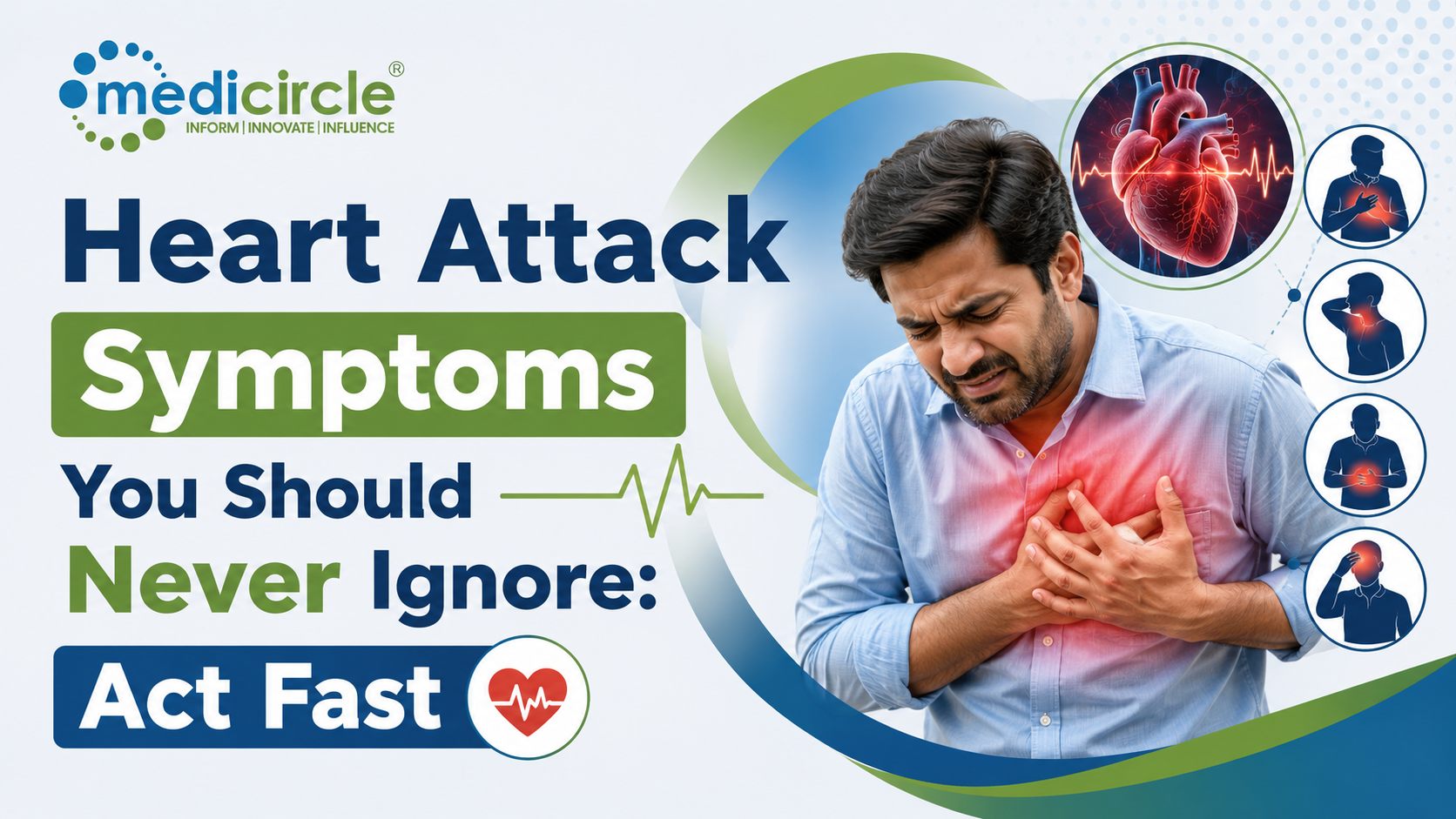
 Recognizing heart attack symptoms is a vital tool for protection. Identifying chest pressures, breathlessness, and cold sweats allows individuals to make rapid decisions when every second counts.




Heart Attack Symptoms You Should Never Ignore
Heart disease has rapidly shifted from a distant health concern to a pressing medical reality across India. Modern clinical observations show a troubling shift because cardiac events are no longer restricted to elderly populations. A growing number of young and middle-aged adults in both bustling cities and rural towns are facing sudden cardiac crises. Knowing how to read the warning signs of the body can mean the difference between a successful medical intervention and a devastating loss. Recognizing these critical physical signals, especially the specific heart attack symptoms you should never ignore, is the single most valuable tool you have to protect yourself and those you care about.
During a heart attack, which is scientifically called a myocardial infarction, time is your most precious resource. This crisis occurs when an arterial blockage, usually a blood clot, cuts off the vital flow of oxygen-rich blood to a portion of the heart muscle. The longer the tissue goes without oxygen, the greater the permanent damage to the heart. Being aware of the early indicators bridges the gap between sudden vulnerability and timely, life-saving medical care.
Primary Emergency Signs
The most reliable indicator of an impending heart attack is discomfort rooted in the center of the chest. It is a misconception that this always feels like a sharp, agonizing stab. More often, patients describe it as an oppressive weight, a tight squeezing sensation, or a feeling of uncomfortable fullness right behind the breastbone. This sensation typically lingers for more than a few minutes, or it may temporarily subside only to return with a more intense pressure.
Because the nerve networks supplying the heart travel alongside other pathways in the upper body, this pain rarely stays in one place. It is incredibly common for the discomfort to travel outward, radiating down the left arm and shoulder, though it can occasionally affect the right side as well.
The pain can also creep upward into the neck and lower jaw, or manifest as a deep, unexplained ache between the shoulder blades in the upper back. Any sudden, unfamiliar discomfort in the upper body that occurs alongside a general sense of fatigue requires immediate attention.
Distress and Fatigue
A sudden struggle to catch your breath can serve as a standalone warning sign or occur right alongside chest tightness. When the heart struggles to pump blood efficiently, pressure builds up rapidly in the blood vessels of the lungs, resulting in a frightening sensation of breathlessness. This can happen even if you are resting quietly in a chair or performing very basic, low-effort tasks around the house.
An overwhelming, deep-seated exhaustion that hits without any clear cause is another major red flag. This type of fatigue makes even the simplest physical movements feel like an impossible chore. If this profound weakness is accompanied by an unexpected breakout of cold sweats, lightheadedness, or sudden dizzy spells, it is a clear indication that your cardiovascular system is in severe distress.
Non-Traditional Indicators
Assuming that every heart attack presents exactly like a movie scene is a dangerous mistake. A substantial portion of the population experiences atypical symptoms, which frequently causes people to delay seeking professional medical help. Women, older adults, and individuals managing long-term diabetes are the groups most likely to display these non-traditional warning signs.
Women are statistically much more likely than men to report shortness of breath, sharp back or jaw discomfort, nausea, and vomiting without feeling any noticeable pressure in the chest. Because of this, many women mistakenly attribute these feelings to simple indigestion, daily stress, or routine physical fatigue.
Similarly, those living with chronic diabetes face the risk of a silent heart attack. Over time, elevated blood sugar levels can dull the autonomic nerves that normally transmit pain signals from the heart to the brain. As a result, a diabetic patient might only notice sudden sweating, a general feeling of being unwell, or an unexplained drop in blood pressure without experiencing any distinct chest pain.
Acidity versus Heart Issues
Given the rich, spicy nature of traditional Indian cuisine and the prevalence of sedentary routines, gastrointestinal issues are incredibly common. Unfortunately, this causes many individuals to mistake a developing heart attack for routine acidity or gas. This exact mix-up is a leading cause of dangerous delays in hospital care. While standard indigestion causes a burning sensation that often changes or improves when you shift your body position, cardiac discomfort is deep, crushing, and remains entirely unaffected by antacids or movement.
If upper abdominal discomfort is paired with cold sweats, a racing heartbeat, sudden breathlessness, or an overwhelming sense of anxiety, it should never be dismissed as a simple stomach bug. Waiting around for a home remedy or an antacid to kick in wastes the precious golden hour, which is the critical first sixty minutes following the onset of symptoms when emergency medical care is most effective at preserving heart muscle function.
Immediate Emergency Actions
If you or someone next to you begins exhibiting signs of a cardiac event, acting decisively is essential. First, the affected person must immediately halt all physical movement, sit down comfortably, and try to take slow, steady breaths to lower the workload of the heart. Loosening any restrictive clothing around the neck and chest can also make breathing much easier.
Crucial Emergency Protocol: If the person has a known heart condition and has been prescribed nitroglycerin by their cardiologist, assist them in taking one dose under the tongue exactly as instructed. If there is no known allergy to aspirin, having the person chew a standard adult aspirin tablet (325 mg) can help thin the blood and slow clot progression while emergency help is on the way.
The most important step is to immediately call local emergency services or arrange rapid transport to the nearest medical center equipped with a dedicated cardiac care unit and a 24-hour cardiac catheterization lab. Never allow the person experiencing symptoms to drive themselves to the hospital, and always rely on professional paramedics or a family member to handle the journey safely.
Family Emergency Strategies
Every household should keep a list of emergency numbers in a highly visible spot, including reliable local ambulance services and nearby hospitals with specialized cardiac units. Identifying which local facilities offer round-the-clock emergency cardiology services ahead of time prevents panic and confusion when a crisis occurs.
Learning Hands-Only CPR
Ensuring that at least one person in your home is trained in hands-only CPR can preserve vital blood flow to organs if a patient loses consciousness before medical help arrives. Performing steady, firm chest compressions in the center of the chest at a rate of 100 to 120 compressions per minute can sustain a life during those initial, high-stakes moments.
Long-Term Heart Habits
While knowing how to manage an emergency is life-saving, proactive prevention remains the ultimate objective. Keeping a close eye on underlying metabolic risk factors through regular diagnostic screenings is foundational. Tracking your blood pressure, managing cholesterol levels, and monitoring blood sugar parameters can help uncover hidden cardiovascular strains before they escalate.
Making sustainable adjustments to your daily routine is equally powerful. Adopting a balanced diet filled with whole grains, fresh vegetables, lean proteins, and healthy fats while cutting back on processed items and trans fats shields your blood vessels from plaque accumulation. Routine physical activity, such as a brisk 30-minute walk most days of the week, strengthens the heart muscle and greatly improves overall systemic circulation.
Conclusion
Cultivating a high level of cardiovascular awareness is a vital commitment that safeguards our families and communities. The symptoms of a heart attack are the body's urgent distress signals, warning us that the cardiovascular system requires immediate medical care. By learning to identify classic chest pressures alongside subtler signs like unexplained breathlessness, sudden cold sweats, and silent autonomic markers, you can make swift, informed decisions when every second counts. Prioritizing routine preventative health check-ups and refusing to ignore the physical warnings of the body ensures a safer, healthier future for everyone.
FAQs
Q1: Can an intense emotional shock or severe psychological stress actually cause a heart attack?
Yes. Sudden, severe emotional stress, profound grief, or intense anger can trigger a massive release of stress hormones like adrenaline and cortisol. This sudden hormonal surge sharply increases your heart rate and blood pressure while constricting blood vessels, which can potentially rupture an existing arterial plaque and cause a heart attack.
Q2: Is it possible for someone who exercises regularly and is physically fit to have a heart attack?
Yes. While maintaining physical fitness drastically lowers your overall cardiovascular risk, it does not offer absolute immunity. Underlying genetic factors, a strong family history of early heart disease, undiagnosed congenital heart defects, or severe acute stress can still trigger cardiac events in highly active, fit individuals.
Q3: What is the main difference between a heart attack and sudden cardiac arrest?
A heart attack is fundamentally a circulation problem where a blocked artery prevents blood from reaching a section of the heart muscle. Sudden cardiac arrest, on the other hand, is an electrical issue where the internal electrical system of the heart malfunctions, causing it to abruptly stop beating entirely, which leads to immediate collapse and loss of consciousness.
Q4: Why are we seeing a rise in cardiac issues among younger adults today?
The increasing rates among younger populations are largely driven by shifting modern lifestyles. High levels of chronic workplace stress, prolonged sitting, regular consumption of processed fast foods, disrupted sleep patterns, and habits like smoking or vaping all accelerate the early development of arterial plaque.
Q5: Should I wait a little while to see if my chest pain goes away before heading to the hospital?
No. Waiting to see if symptoms improve on their own is highly dangerous. If the discomfort is being caused by an actual arterial blockage, delaying care leads to progressive heart muscle death and heightens the risk of fatal rhythm disorders. It is always much safer to have a false alarm checked out by a professional than to delay treating a genuine medical emergency.
Recognizing heart attack symptoms is a vital tool for protection. Identifying chest pressures, breathlessness, and cold sweats allows individuals to make rapid decisions when every second counts.





-23-300x250.png)

.jpeg)






.jpg)
.jpg)
.jpg)
.jpg)
.jpg)
.jpg)
.jpg)
.jpg)
.jpg)

