Tuesday, October 27, 2026
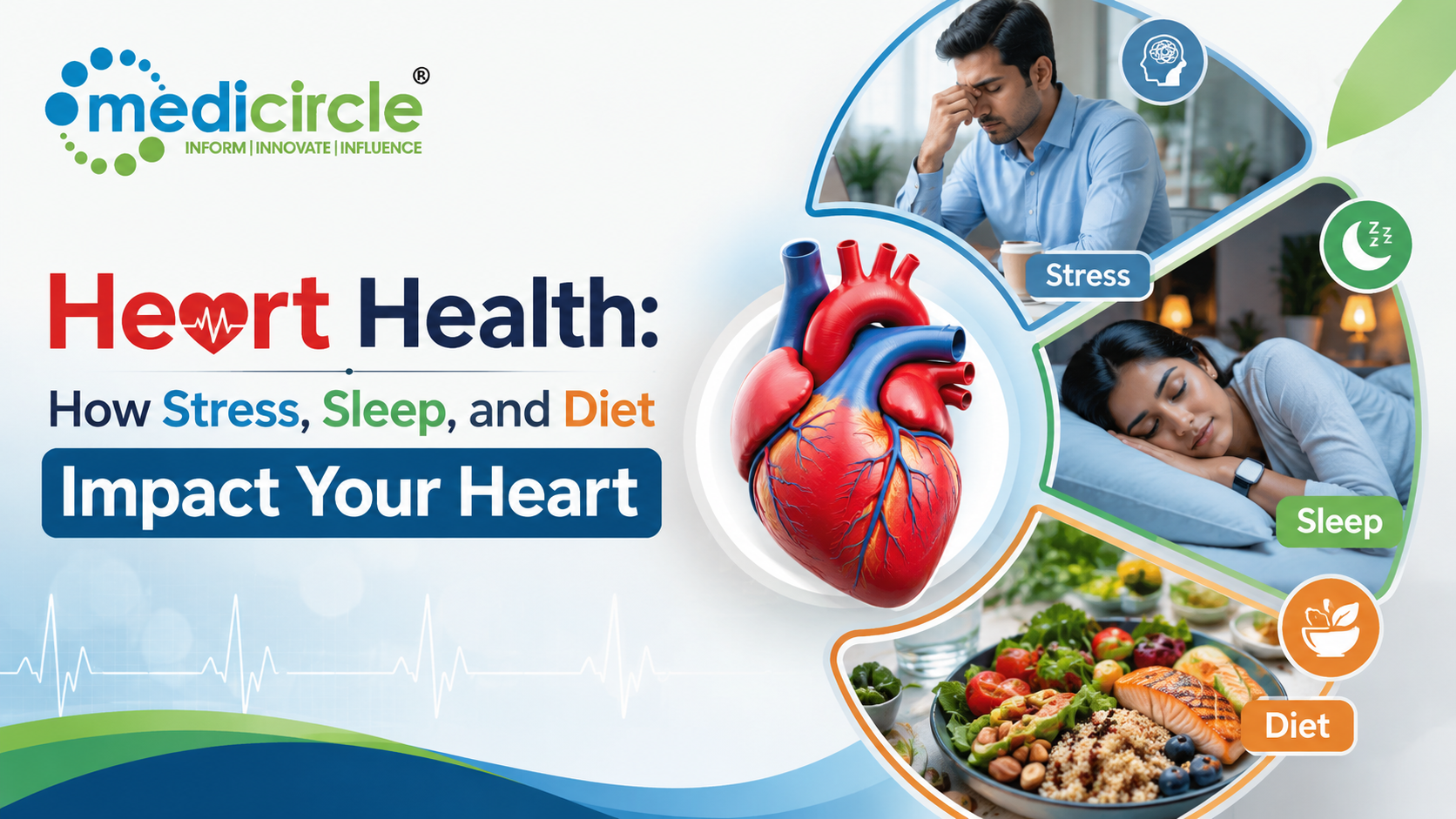
 Stress, inadequate sleep, and unhealthy dietary habits significantly increase cardiovascular risk. Adopting balanced nutrition, quality sleep, and effective stress management can improve heart health and reduce disease risk.




How Stress, Sleep, and Food Habits Affect Your Heart Health
The way you live each day, including how long you sleep, what you eat, and how much stress you carry, has a deeper impact on your heart than most people realize. For millions of Indians balancing demanding work schedules, family responsibilities, and changing lifestyles, the heart often becomes the silent casualty of habits that appear harmless on the surface.
Heart disease is no longer a condition limited to older adults. It is increasingly affecting Indians in their thirties and forties. While genetics and family history play a role, medical experts consistently identify three major lifestyle factors that gradually damage cardiovascular health: chronic stress, poor sleep, and unhealthy eating habits. Understanding how these factors affect the heart and learning how to address them can play a significant role in preventing future health problems.
The Hidden Toll of Chronic Stress on the Heart
Everyone experiences stress. Work deadlines, family conflicts, and financial pressures are common parts of daily life. The body is designed to handle short periods of stress through the fight-or-flight response. During stressful situations, adrenaline is released, temporarily increasing heart rate, breathing rate, and blood pressure. Once the challenge passes, the body should return to a balanced state.
How Chronic Stress Damages the Cardiovascular System
The problem begins when stress persists for days, weeks, or months. Chronic stress keeps the body in a constant state of alertness. Blood pressure remains elevated, forcing the heart to work harder than necessary. Over time, this continuous strain damages artery walls and promotes plaque buildup, increasing the risk of heart attack and stroke.
Stress-Related Lifestyle Habits That Harm the Heart
Stress also affects behavior. Many individuals respond by smoking, overeating, skipping exercise, or neglecting medical advice. In India, stress eating frequently involves fried snacks, sweets, and excessive tea consumption, which further increases cardiovascular risk.
Why Sleep Is Essential for Heart Health
Most adults require seven to nine hours of quality sleep every night. However, sleep deprivation has become increasingly common due to demanding work schedules, excessive screen time, and lifestyle changes.
Effect of Sleep Deprivation on Blood Pressure
Healthy sleep allows blood pressure to decrease naturally, giving the heart an opportunity to recover. When sleep duration consistently falls below seven hours, blood pressure remains elevated for longer periods, increasing the likelihood of chronic hypertension.
Sleep and Metabolic Health
Poor sleep disrupts blood sugar regulation and contributes to the development of Type 2 diabetes. It also affects hormones that regulate hunger, increasing the likelihood of overeating and weight gain.
Sleep Apnea and Heart Disease
Sleep apnea occurs when breathing repeatedly stops during sleep due to airway obstruction. Common symptoms include loud snoring, morning headaches, dry mouth, and persistent fatigue. This condition is strongly associated with high blood pressure, heart attack, and stroke.
Insomnia and Cardiovascular Risk
Insomnia affects many adults and can contribute directly to high blood pressure and heart disease. It also encourages unhealthy lifestyle habits that further increase cardiovascular risk.
How Food Habits Shape Heart Health
Diet plays a central role in cardiovascular wellness. Traditional Indian diets were once rich in vegetables, legumes, whole grains, and healthy fats. However, modern eating patterns increasingly include processed foods, excess sugar, unhealthy fats, and high sodium intake.
Excess Salt and High Blood Pressure
Excess sodium intake contributes directly to elevated blood pressure. Common sources include pickles, papads, packaged snacks, and restaurant meals.
Saturated and Trans Fats
Saturated and trans fats increase low-density lipoprotein cholesterol levels while reducing high-density lipoprotein cholesterol. This process promotes artery blockage and increases the risk of cardiovascular disease.
Refined Carbohydrates and Added Sugar
Frequent consumption of refined carbohydrates and sugary beverages can contribute to insulin resistance, inflammation, obesity, and cardiovascular complications.
Foods That Support Heart Health
A heart-friendly diet includes vegetables, fruits, legumes, nuts, seeds, and whole grains. Limiting deep-fried foods and choosing healthier cooking methods can significantly improve cardiovascular health.
The Connection Between Stress, Sleep, and Diet
Stress, sleep, and nutrition are closely connected. Problems in one area often create difficulties in the others.
The Cycle of Poor Lifestyle Habits
Chronic stress can reduce sleep quality. Poor sleep increases cravings for high-calorie foods. Unhealthy food choices contribute to weight gain and fatigue, which may increase stress levels. This cycle can significantly affect heart health over time.
Practical Steps to Improve Heart Health
Managing Stress Effectively
Regular exercise, breathing exercises, meditation, social support, and healthy work-life boundaries can help reduce stress and improve cardiovascular wellbeing.
Improving Sleep Quality
Maintaining a consistent sleep schedule, reducing screen exposure before bedtime, and creating a comfortable sleep environment can improve sleep quality.
Building Healthier Eating Habits
Choose home-cooked meals more frequently, increase vegetable intake, reduce processed foods, limit sugary beverages, and stay adequately hydrated.
Conclusion
The heart is resilient, but it responds to the choices made every day. Consistent stress management, adequate sleep, and healthy nutrition can significantly reduce cardiovascular risk and improve overall well-being. Small lifestyle changes, maintained over time, can have a profound impact on long-term heart health.
Frequently Asked Questions
How does stress affect heart health?
Chronic stress keeps blood pressure and heart rate elevated for extended periods. Over time, this can damage blood vessels, increase inflammation, and raise the risk of heart disease, heart attack, and stroke.
Can lack of sleep increase the risk of heart disease?
Yes. Consistently getting fewer than seven hours of sleep can contribute to high blood pressure, obesity, Type 2 diabetes, and other conditions that increase the risk of cardiovascular disease.
What is the ideal amount of sleep for a healthy heart?
Most adults should aim for seven to nine hours of quality sleep each night. Adequate sleep allows the heart and blood vessels to rest and recover.
Stress, inadequate sleep, and unhealthy dietary habits significantly increase cardiovascular risk. Adopting balanced nutrition, quality sleep, and effective stress management can improve heart health and reduce disease risk.





-23-300x250.png)

.jpeg)






.jpg)
.jpg)
.jpg)
.jpg)
.jpg)
.jpg)
.jpg)
.jpg)
.jpg)