 Tuesday, October 27, 2026
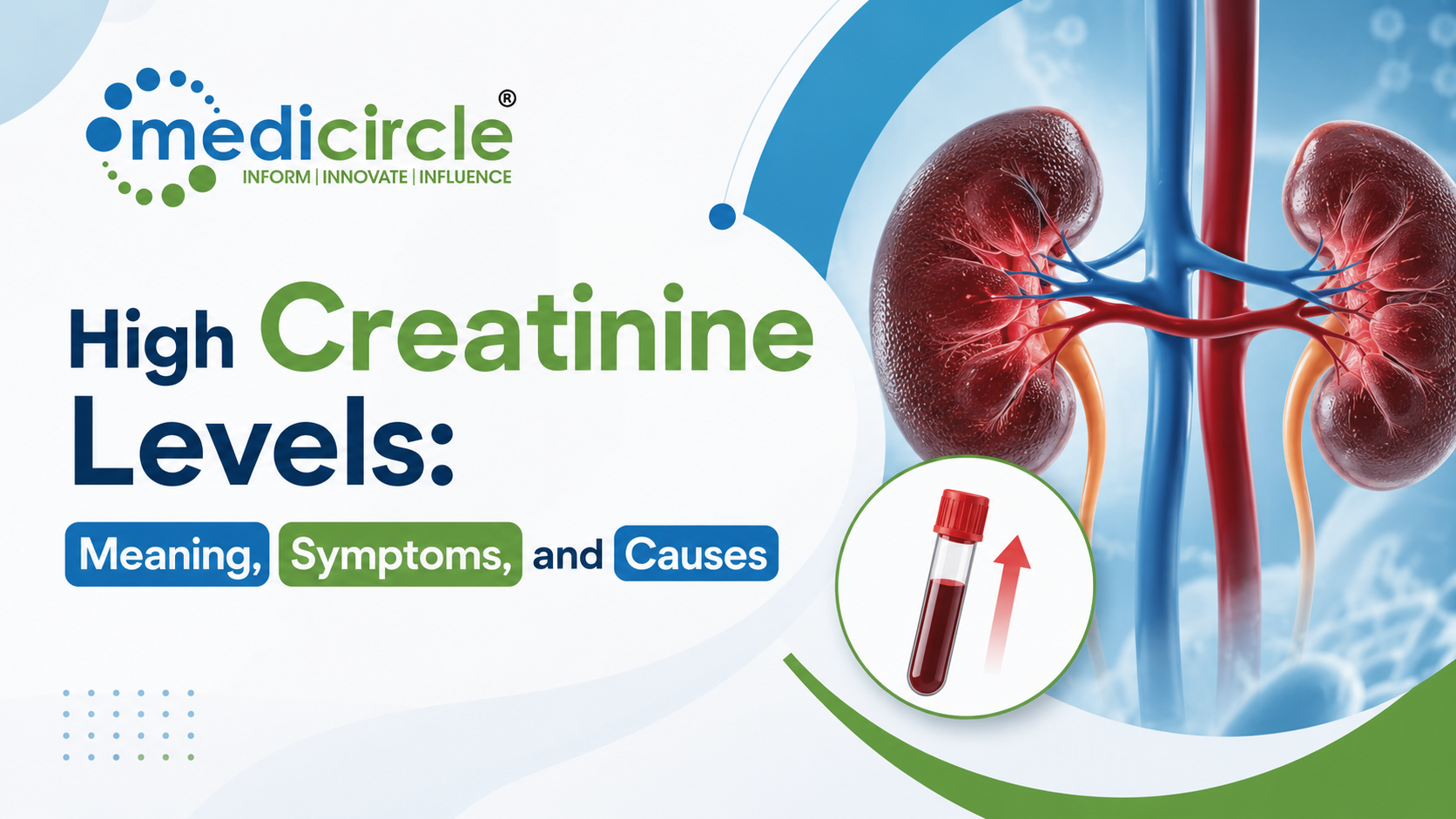
 An elevated creatinine level indicates accumulation of muscular waste in the blood, which serves as a vital early warning signal of potential kidney strain or underlying systemic health conditions.




Spotting an elevated reading on a recent blood test can quickly trigger a wave of worry. For many people, seeing an unfamiliar medical term paired with a high value or an alarming warning symbol brings immediate stress. This primary indicator is an invaluable diagnostic tool for evaluating kidney function. To protect your long-term physical well-being, it helps to understand what this compound is, why its concentration might spike, and when you need to seek immediate medical attention.
The human body depends on a sophisticated internal filtration system to clear out metabolic cellular debris and keep your internal environment stable. Your kidneys serve as the primary defensive line in this ongoing cleansing process. When their structural efficiency wavers, metabolic leftovers that should be expelled begin accumulating inside your circulatory pathways. A rising concentration acts as a reliable early indicator that your renal architecture requires a much closer look.
Understanding Kidney Function
Creatinine is a normal, organic waste product resulting from everyday muscle contractions. It forms as a breakdown product of creatine, which is a molecule your muscle fibers rely on to generate quick bursts of energy. In a well-functioning body, the kidneys continuously pull this byproduct from the bloodstream and flush it out entirely via your urine. Since an individual person has a total muscle mass that typically changes very little from one day to the next, the amount of waste generated generally remains quite stable under healthy conditions.
Measuring this compound provides direct insight into your kidneys' glomerular filtration rate, which is the scientific standard for calculating how well your organs clear out waste. When everything works as intended, the organs keep this marker within a tight, healthy window. However, if these vital organs experience structural stress, or if their performance drops due to sudden sickness or chronic health conditions, their processing power declines. As a direct result, the volume of waste trapped in your circulation begins to climb.
Normal Creatinine Levels
Diagnostic facilities calculate baseline ranges for this blood marker by taking an individual age, biological sex, and muscle volume into account. For most adult males, a typical healthy reading spans from 0.7 to 1.3 mg/dL. For adult females, the standard baseline is slightly lower, falling between 0.6 and 1.1 mg/dL. This difference exists because women generally possess less skeletal muscle tissue than men.
|
Biological Sex |
Typical Reference Range |
|---|---|
|
Men |
0.7 to 1.3 mg/dL |
|
Women |
0.6 to 1.1 mg/dL |
Any laboratory report that inches above these established boundaries deserves a thorough physician review. A minor variation might stem from a fleeting, easily correctable lifestyle factor. Conversely, steeper increases, such as values pushing past 2.0 mg/dL or 3.0 mg/dL, frequently point to more significant structural issues within the renal tract. During severe episodes of sudden renal distress, these metrics can skyrocket, which indicates a clinical situation that demands immediate medical intervention.
High Creatinine Causes
An elevated laboratory result does not automatically point to irreversible organ damage. The underlying high creatinine causes span a wide spectrum, from minor daily habits to complex, long-standing medical disorders.
Chronic Health ConditionsLong-term systemic illnesses represent the leading cause of lasting kidney damage. Over an extended period, poorly regulated blood glucose levels progressively injure the microscopic blood vessels that form the kidney filtration units. In the same manner, unmanaged high blood pressure places immense physical strain on these delicate pathways, which causes them to stiffen, scar, and lose their operational capacity.
Severe DehydrationInadequate fluid consumption is a frequent culprit behind temporary laboratory spikes. When the body runs low on water, global blood volume drops, which curtails the physical supply of blood reaching the kidneys. Without adequate flow, the organs cannot filter out waste at their normal speed, which causes an artificial concentration in your blood sample that rights itself once you rehydrate.
Medication Side EffectsA variety of common medical treatments can inadvertently stress the kidneys or disrupt their internal blood pressure. Regular, unmonitored use of common over-the-counter pain relievers, particularly nonsteroidal anti-inflammatory drugs, is a frequent driver of drug-induced kidney strain. Certain specialized prescriptions, including specific antibiotics and oncological therapies, can also cause numbers to fluctuate.
High Protein DietConsuming large amounts of protein powders or eating heavy portions of meat can briefly increase the amount of waste your body produces. Similarly, participating in intense weightlifting or grueling physical labor breaks down muscle proteins at an accelerated pace, which dumps extra creatine into your bloodstream and causes a brief, non-disease-related bump in your numbers.
High Creatinine Symptoms
In its earliest phases, an elevated reading rarely triggers obvious physical distress. A significant number of patients discover the variance completely by accident during annual workplace physicals or routine medical screenings. However, if kidney function continues to slide and waste buildup intensifies, distinct high creatinine symptoms begin to surface.
- Systemic Fatigue: Experiencing relentless exhaustion, general muscle weakness, or a fuzzy brain as metabolic toxins pool in the bloodstream.
- Fluid Accumulation: Noticing visible puffiness or swelling, known medically as edema, in the feet, ankles, hands, or right beneath the eyelids.
- Altered Urination Patterns: Feeling the urge to urinate more frequently, especially overnight, observing a drop in total output, or noticing that your urine looks unusually bubbly, which points to leaking proteins.
- Digestive Issues: Coping with persistent bouts of nausea, unexplained vomiting, an aversion to food, sudden shortness of breath from fluid building in the chest, or a dull ache in the mid-back region.
Assessing Kidney Damage
Gauging the true severity of a high lab result requires an experienced medical eye. A single off-kilter metric does not mean you are in immediate danger of complete organ failure. Physicians categorize the seriousness by determining the timeline of the elevation.
An Acute Kidney Injury causes creatinine to spike rapidly over a period of hours or days, which is a condition that is often fully reversible with prompt treatment. Conversely, Chronic Kidney Disease develops gradually over months or years, which results in a long-standing elevation that requires careful, long-term management.
An Acute Kidney Injury features an abrupt, rapid jump in waste metrics over the course of just a few hours or days. This can be triggered by systemic infections, severe heat stroke, sudden hemorrhage, or medication toxicity. While Acute Kidney Injury is highly critical and requires swift medical intervention, it is frequently entirely reversible once the primary trigger is resolved. Alternatively, Chronic Kidney Disease manifests as a slow, steady climb extending over months or years. Chronic Kidney Disease reflects lasting, permanent structural wear to the tissue, which means early identification is vital to slow down its progress.
Diagnostic Blood Test
If a blood panel exposes an elevated reading, a doctor will order a collection of complementary tests to map out a clear picture of your exact urinary tract health.
|
Diagnostic Tool |
Clinical Purpose |
|---|---|
|
Serum Creatinine Test |
Tracks the precise concentration of the waste compound in a blood sample over time. |
|
eGFR Test |
Uses your age, sex, and test results to calculate the active percentage of working kidney tissue. |
|
Blood Urea Nitrogen |
Gauges an independent protein breakdown byproduct to cross-verify filtration efficiency. |
|
Urinalysis |
Screens for hidden blood or microscopic protein leaks that suggest structural filter damage. |
|
Renal Ultrasound |
Employs sound waves to view the physical dimensions of the kidneys and rule out physical blocks like stones. |
How to Lower Creatinine
Learning how to lower creatinine naturally is less about masking the laboratory numbers and more about addressing the underlying stress on your renal tissue. Incorporating targeted healthy habits can shield your organs from further wear.
Stabilizing your systemic health is the most critical step. If you live with diabetes or high blood pressure, taking your prescribed medications exactly as directed and checking your daily numbers ensures these conditions do not silently harm your filtration system. It is equally important to conduct a thorough medication review with your physician to pause any unnecessary over-the-counter anti-inflammatories or unverified herbal supplements.
Smart changes to your daily diet also help reduce the filtering workload. This includes moderating your protein intake to avoid overloading your metabolic pathways. Lowering your daily salt intake helps keep your blood pressure stable and controls fluid retention. Depending on your specific lab trends, a medical professional might also advise reducing your intake of potassium-heavy or phosphorus-rich foods, such as dairy products, packaged snacks, and certain fruits. Finally, make it a point to drink an appropriate amount of clean water throughout the day to help your body naturally clear waste, though you should always follow the specific advice of your doctor if you are already dealing with severe swelling.
Common Patient Questions
Can an elevated creatinine reading be reversed?
Yes, it is entirely possible if the underlying cause is a temporary, acute issue. Spikes triggered by intense dehydration, specific medications, or a passing illness typically normalize once the root problem is corrected. If the elevation stems from a long-standing disease like chronic diabetes, the primary goal is stabilization to prevent the condition from worsening.
Does increasing your water intake lower creatinine?
Staying properly hydrated ensures your kidneys receive an adequate blood supply to filter out waste efficiently. When you are dehydrated, your blood concentrates, which can artificially inflate your creatinine readings. Drinking enough water helps your body clear out waste naturally, though it will not reverse structural tissue damage on its own.
When does a high reading require emergency care?
A high value should always be discussed with a doctor, but it becomes an immediate emergency if it occurs alongside critical physical symptoms. If you experience a sudden inability to pass urine, severe shortness of breath, rapid swelling across your entire body, or confusion, you should seek emergency medical care immediately.
Conclusion
An elevated creatinine marker is a clear signal from your body that should never be ignored, but it is also not a reason to panic. Instead, look at it as an early warning that empowers you to take proactive control of your physical well-being. By pinpointing the driving factor, whether it is an easily fixed hydration issue or a long-term condition that requires careful management, you can take the necessary steps to safeguard your health.
Catching changes early through routine physicals, partnering with medical professionals, and making mindful lifestyle choices are your best tools for supporting your renal system. Giving your kidneys the care they need today builds a stronger, more resilient foundation for your health in the future.





-23-300x250.png)

.jpeg)






.jpg)
.jpg)
.jpg)
.jpg)
.jpg)
.jpg)
.jpg)
.jpg)
.jpg)



