 Saturday, November 21, 2026
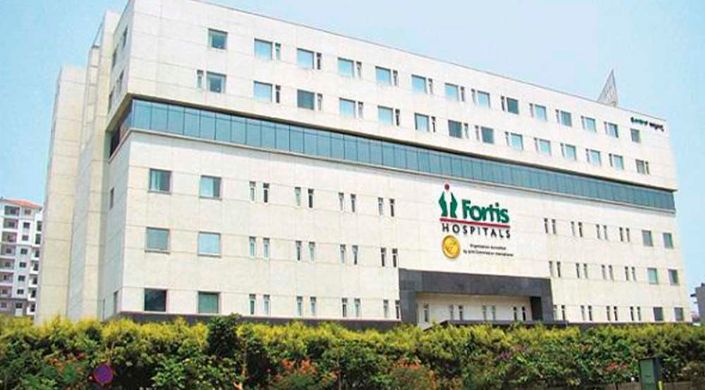
 Doctors at Fortis Hospital Bannerghatta Road, successfully treated a wheelchair-bound 65-year-old international patient from Cameroon who was suffering from severe lower back pain for several years, significantly affecting her mobility and quality of life.





Bengaluru, 06 February 2026: Doctors at Fortis Hospital Bannerghatta Road, successfully treated a wheelchair-bound 65-year-old international patient from Cameroon who was suffering from severe lower back pain for several years, significantly affecting her mobility and quality of life. Despite being extremely obese at ~100 kgs, the patient achieved a dramatic turnaround in her quality of life after undergoing Advanced Minimally Invasive Spine Surgery, under the expert guidance of Dr. Umesh Srikantha, Additional Director, Neuro Surgery and Clinical Lead for Spine Surgery, Fortis Hospital Bannerghatta Road. The surgery lasted for 5 hours and the patient was discharged in a stable condition within 4 days.
The Patient presented at Fortis Bannerghatta Road with complaints of pain radiating to both legs, more prominently on the right side, along with numbness and tingling in her legs and feet, indicating nerve involvement. She had consulted multiple hospitals in her country as well as in India before being referred to Fortis Bannerghatta Road.
Upon admission at Fortis Bannerghatta Road, detailed investigations, including MRI scans of the lumbar spine revealed severe wear and tear of multiple spinal discs with narrowing of the spinal canal leading to compression of critical nerves. This resulted in persistent pain, sciatica, weakness, and difficulty in walking necessitating surgical intervention to prevent further neurological deterioration. After detailed evaluation and discussions with the patient and her family, Dr. Umesh Srikantha opted for a highly advanced percutaneous multi-level spinal fusion. Traditionally, such complex four level spine conditions are treated with open surgeries involving large incisions, muscle and ligament cutting, requiring prolonged bed rest besides putting the patient at a higher risk of infection. In this case, the patient also had multiple additional risk factors, including diabetes, which made traditional open spine surgery particularly high-risk, with increased chances of complications, delayed wound healing and prolonged recovery.
Giving details of the case, Dr. Umesh Srikantha, Additional Director, Neuro Surgery and Clinical Lead for Spine Surgery, Fortis Hospital Bannerghatta Road, Bengaluru, said, “This case was particularly challenging due to multilevel spinal instability combined with the patient’s co-existing medical conditions. We used a new, muscle- sparing technique through very small keyhole incisions. This procedure is more advanced than conventional minimally invasive spine surgery and currently performed by only a handful of surgeons across India. Despite the complexity of the four-level fusion and placement of 10 screws, the surgery was completed safely in 5 hours, without cutting muscles, ligaments, or removing the bone. This approach allowed us to stabilize the spine, relieve nerve compression, minimize surgical stress and ensure a safer and faster recovery. Seeing the patient walk again after being wheelchair-bound has been extremely rewarding.”
Sharing her experience, the patient said, “For years, I lived with constant pain and difficulty walking. I had consulted many hospitals before coming to Fortis. The doctors here explained everything clearly and gave me confidence. After the surgery, I feel much better and can walk again. I am grateful for the care and support I received.”
Dr. Ananth Rao, VP & Business Head, Fortis Hospitals, Bengaluru, said, “This case highlights Fortis Bannerghatta Road’s expertise in managing complex spine conditions, even in patients with multiple medical challenges. Our multidisciplinary approach and use of advanced minimally invasive techniques help ensure safe outcomes, faster recovery and improved quality of life for patients from India and across the world.”





-23-300x250.png)




















