 Saturday, October 17, 2026
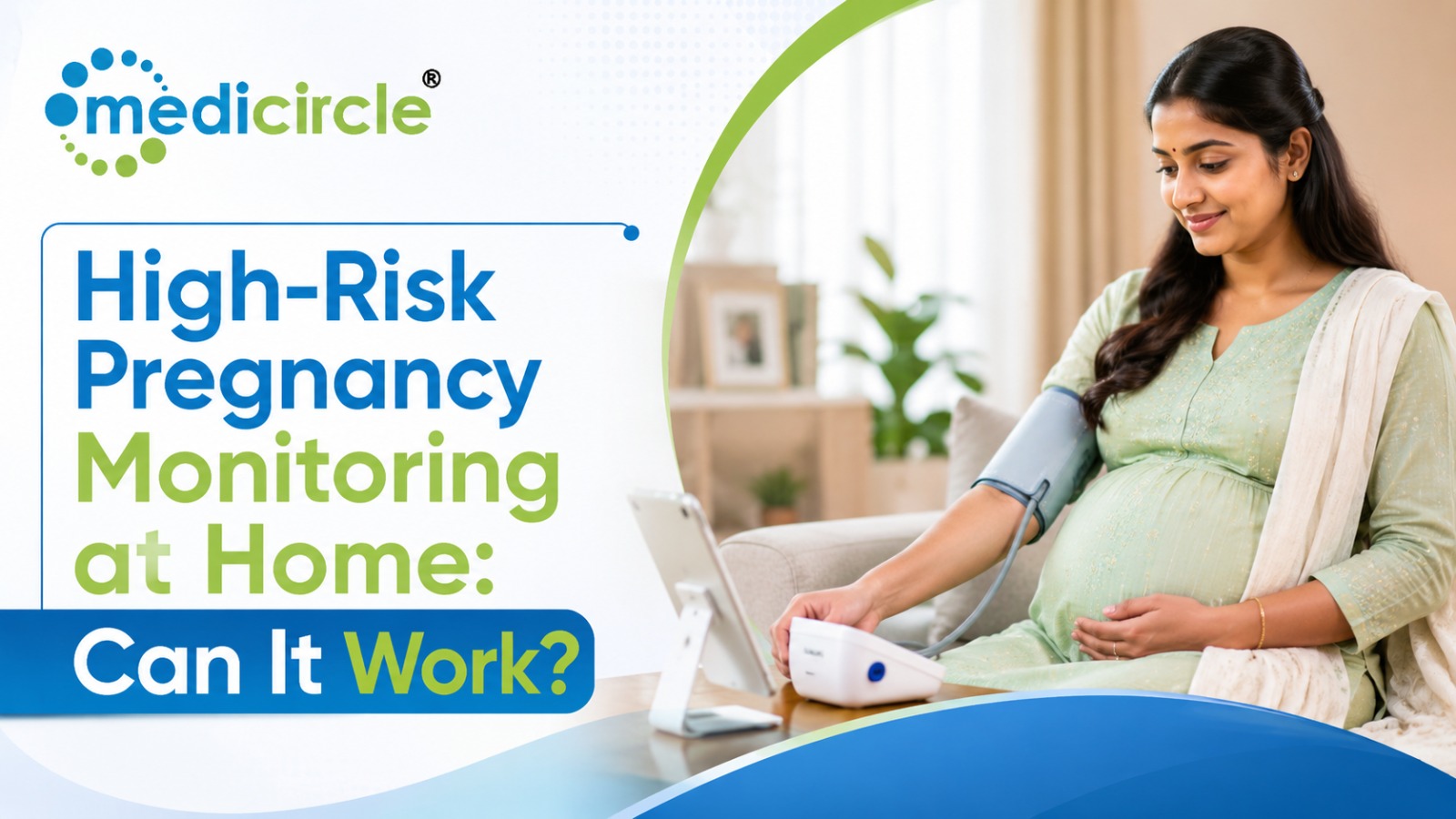
 Home-based remote monitoring offers a promising solution for high-risk pregnancy management in India by improving surveillance, accessibility, and early intervention while complementing essential in-person obstetric care.





Introduction
Maternal health in India is at a critical crossroads. While institutional delivery rates have improved significantly over the past decade, the burden of high-risk pregnancies continues to challenge the healthcare system. According to the Ministry of Health and Family Welfare, India still accounts for a disproportionate share of global maternal mortality, with conditions such as hypertension, diabetes, anaemia, and obstetric complications remaining leading contributors.
For many women in India, especially those in Tier 2 and Tier 3 cities or rural settings, frequent hospital visits during a complicated pregnancy are neither easy nor affordable. The distance from tertiary care centers, the cost of repeated consultations, and the physical strain of travel create real barriers to consistent monitoring. This is where the concept of home-based remote monitoring for high-risk pregnancies has begun to attract serious clinical and public health attention.
Remote care technology, when thoughtfully integrated into obstetric practice, holds the promise of bringing specialist-level vigilance closer to the patient without requiring her to leave home for every routine check. But it also raises important questions about reliability, access, and the irreplaceable role of in-person medical care. This article examines what home monitoring for high-risk pregnancies currently looks like in India, which tools are available, what the evidence says, and what expecting mothers and their families need to understand.
Understanding High-Risk Pregnancy: Who Needs Closer Monitoring?
A pregnancy is considered high-risk when certain medical, obstetric, or social factors increase the likelihood of complications for the mother, the baby, or both. In India, the prevalence of high-risk pregnancies is substantial. Studies suggest that nearly 20 to 30 percent of all pregnancies in India carry at least one high-risk feature.
Common conditions that classify a pregnancy as high-risk include:
- Gestational diabetes mellitus (GDM), which affects approximately 10 to 14 percent of pregnancies in India
- Pregnancy-induced hypertension and preeclampsia
- Anaemia, which remains highly prevalent especially in rural and semi-urban women
- Multiple pregnancies such as twins or triplets
- Thyroid disorders in pregnancy
- Advanced maternal age (above 35 years)
- Previous history of caesarean section, preterm birth, or pregnancy loss
- Placenta previa or placental abruption
- Fetal growth restriction detected on ultrasound
Each of these conditions demands careful, regular monitoring that extends well beyond the standard antenatal care schedule. The conventional model requires women to visit hospitals or clinics frequently, which creates a significant compliance challenge across many Indian geographies.
The Case for Remote Monitoring: What Has Changed
The emergence of affordable, connected health devices has made it technically possible to track several vital maternal and fetal parameters from home. The COVID-19 pandemic accelerated the adoption of telemedicine in India, and obstetric care was one of the fields that adapted quickly. The Telemedicine Practice Guidelines issued by the Ministry of Health and Family Welfare in 2020 opened a legitimate pathway for remote consultation and follow-up in pregnancy care.
Today, a range of monitoring tools designed for home use are being discussed and, in some cases, prescribed by obstetricians for high-risk pregnant women. These include digital blood pressure monitors calibrated for use in pregnancy, continuous glucose monitors and glucometers for women with gestational diabetes, pulse oximeters, weight scales connected to health apps, and wearable fetal heart rate monitors that transmit data to a clinical team.
Telehealth platforms operating in India now allow women to share these readings with their doctors in near real-time. Applications integrated with the Ayushman Bharat Digital Mission (ABDM) framework are progressively enabling health data to be stored and shared securely across the continuum of care.
The fundamental premise of remote monitoring is straightforward: if a doctor can receive daily blood pressure readings from a woman with preeclampsia risk, or weekly glucose trends from a woman with gestational diabetes, the clinical team can intervene earlier, adjust treatment protocols promptly, and potentially prevent serious complications.
Tools and Technologies Used in Home-Based High-Risk Pregnancy Monitoring
The landscape of home monitoring tools for high-risk pregnancies is evolving, and understanding what each device can and cannot do is essential for both clinicians and patients.
Blood Pressure Monitoring is arguably the most critical parameter in high-risk pregnancy surveillance. Digital blood pressure monitors validated for use in pregnancy are widely available in India at accessible price points. Women with hypertensive disorders of pregnancy are increasingly being asked to monitor their BP twice daily at home and share readings via messaging or dedicated apps. Early detection of a spike can prompt timely hospitalisation and prevent eclampsia.
Blood Glucose Monitoring for women with gestational diabetes involves either traditional glucometer testing at fixed intervals or, in more equipped settings, continuous glucose monitors (CGMs). CGMs provide a 24-hour glucose trend profile and alert the user when levels drift outside the target range. While CGMs remain relatively expensive in India, they are gaining traction in urban centers and among patients covered by corporate or private insurance.
Fetal Heart Rate and Movement Monitoring is a developing space. Devices such as handheld Doppler units and more sophisticated wearable fetal monitors allow some level of fetal surveillance outside the hospital. These devices vary considerably in accuracy and should be used only under a doctor's explicit recommendation. Kick count tracking, which is a simple, low-technology method where the mother records daily fetal movement patterns, remains one of the most accessible and evidence-supported tools for fetal wellbeing assessment at home.
Pulse Oximetry and Weight Tracking add additional layers of monitoring, particularly relevant for women with concurrent respiratory or cardiac conditions, and for tracking fluid retention patterns in preeclampsia.
Benefits of Home Monitoring for High-Risk Pregnancies in the Indian Context
The potential benefits of home-based remote monitoring are both clinical and logistical, and in the Indian context, the logistical advantages are often just as important as the clinical ones.
From a clinical standpoint, continuous or frequent monitoring captures trends that a single clinic visit every two or four weeks cannot. A blood pressure reading during a clinic visit is a snapshot. Daily home readings are a film. Patterns that would otherwise go undetected between visits can be identified, reviewed, and acted upon before they escalate.
From an accessibility standpoint, home monitoring removes the need for a woman to travel long distances repeatedly, take time off work, arrange childcare, or bear the financial cost of multiple consultations. In a country where a significant proportion of high-risk pregnancies occur in women from economically vulnerable backgrounds, reducing visit frequency without compromising surveillance is clinically meaningful.
Remote monitoring also strengthens the therapeutic relationship between the patient and her clinical team. When a woman knows that her readings are being reviewed, she is more likely to take her condition seriously, adhere to medications, and seek help promptly when something feels wrong. This engagement has documented benefits for maternal health outcomes.
Recognising the Limitations and Risks
Responsible discussion of home monitoring must include an honest examination of its limitations. Remote monitoring is a supplement to clinical care, never a substitute for it.
Devices used at home are subject to user error. An incorrectly worn blood pressure cuff, poor technique with a glucometer, or misreading of a fetal monitor can generate false data. Without proper training and continued guidance, these errors can mislead both the patient and the clinical team.
Digital literacy and technology access remain uneven across India. Smartphone connectivity, reliable internet, and comfort with health applications are not universal, particularly among older or rural women. A remote monitoring program that is poorly implemented or poorly supported can create a false sense of security.
There is also the risk of alert fatigue and anxiety. When women receive frequent readings and notifications, it can increase rather than reduce anxiety, particularly if values fluctuate without clinical significance. Ongoing communication with a healthcare team is essential to interpret data correctly and contextualise variations.
Finally, several emergencies in high-risk pregnancy develop rapidly. Placental abruption, severe preeclampsia progression, fetal distress, and preterm labour require immediate hospital-level intervention. No home monitoring system can manage these events, and women must always know when to bypass remote surveillance and seek emergency care.
Diagnosis and Clinical Integration: How Doctors Are Using Remote Data
In well-structured programs, home monitoring data is not simply collected; it is reviewed and acted upon within a defined clinical protocol. Leading obstetric units in Indian metros have begun establishing dedicated telehealth follow-up models for high-risk pregnancies where a nurse or midwife reviews submitted data daily and escalates to the obstetrician when values breach preset thresholds.
This model mirrors what is practiced in several high-income countries under the umbrella of "ambulatory maternal surveillance." In India, similar frameworks are being piloted by select public and private hospitals, particularly in states with stronger health system infrastructure such as Kerala, Tamil Nadu, and Karnataka.
For the model to work effectively, the clinical team must define clear monitoring parameters for each patient, establish communication protocols, set response timeframes, and conduct scheduled in-person reviews at appropriate intervals. Home monitoring data should always be documented and integrated into the patient's medical record, ideally within the ABDM-linked health ecosystem.
Prevention and Proactive Management: What Mothers Can Do
High-risk pregnancy management is not only about technology. It is equally about informed, empowered, and supported mothers making consistent daily decisions.
Women with high-risk pregnancies benefit significantly from structured antenatal education that covers understanding their specific condition, recognising warning signs, knowing when to seek emergency care, and maintaining a pregnancy-specific health journal.
Dietary discipline is critical. Women with gestational diabetes need meal timing and composition guidance. Women with hypertension need salt restriction and hydration guidance. Practical, culturally adapted nutrition counselling that accounts for Indian food patterns is an area where digital health applications are beginning to make meaningful contributions.
Rest, stress reduction, sleep hygiene, and avoiding environmental risk factors are universally recommended components of high-risk pregnancy care. The role of the family, particularly the support of a partner or mother-in-law in the Indian household context, is a recognised determinant of how well a high-risk pregnant woman adheres to her care plan.
Conclusion
Home-based remote monitoring for high-risk pregnancies represents a significant and promising development in maternal healthcare. In a country as geographically vast and demographically diverse as India, the ability to extend quality surveillance beyond the walls of the hospital has the potential to save lives and reduce the burden of preventable complications.
However, this potential is fully realised only when remote monitoring is integrated thoughtfully into a comprehensive obstetric care plan, supported by trained clinical teams, and understood clearly by the women using these tools. The technology is ready. The clinical frameworks are developing. What is needed now is wider awareness, equitable access, and a commitment from healthcare providers to place the patient at the center of every remote care decision.
Platforms like Medicircle have an important role to play in bridging this awareness gap, by bringing credible, accessible, and expert-driven information about maternal health innovations to the families, clinicians, and communities who need it most.
Frequently Asked Questions
Q1: What conditions make a pregnancy high-risk?
Conditions such as gestational diabetes, preeclampsia, multiple pregnancies, advanced maternal age, thyroid disorders, anaemia, and a history of previous pregnancy complications can classify a pregnancy as high-risk.
Q2: Can remote monitoring fully replace hospital visits during a high-risk pregnancy?
No. Remote monitoring is a supportive tool and not a replacement for in-person medical consultations. High-risk pregnancies still require scheduled hospital check-ups, investigations, and specialist assessments.
Q3: Is home fetal monitoring safe?
Home fetal monitoring devices, when used under a doctor's guidance, are generally safe. However, they should complement, not replace, clinical evaluation by a qualified obstetrician.
Q4: Which government schemes in India support maternal healthcare?
Schemes such as Pradhan Mantri Matru Vandana Yojana (PMMVY), Janani Suraksha Yojana (JSY), and the Ayushman Bharat digital health framework support maternal healthcare access across India.
Q5: What should a pregnant woman do if she notices abnormal readings on a home monitor?
She should immediately contact her treating obstetrician or proceed to the nearest healthcare facility. Abnormal readings should never be self-interpreted or ignored without medical consultation.
Resources
- Indian Council of Medical Research (ICMR): Guidelines on High-Risk Pregnancy Management and Maternal Health Research in India
- World Health Organization (WHO): WHO Recommendations on Antenatal Care for a Positive Pregnancy Experience
- Ministry of Health and Family Welfare, Government of India: Pradhan Mantri Matru Vandana Yojana and Maternal Health Schemes
- Ayushman Bharat Digital Mission (ABDM): Digital Health Ecosystem Framework and Telemedicine Integration in India
- National Health Portal, India: Antenatal Care Guidelines and High-Risk Pregnancy Resources
Interlinking Keywords:
high-risk pregnancy monitoring, gestational diabetes management, preeclampsia warning signs, telehealth in obstetrics, maternal health India, antenatal care guidelines, fetal movement tracking, remote patient monitoring, pregnancy complications India, Ayushman Bharat maternal health
Last Medically Reviewed by:
Editorial and Medical Review Team, Medicircle on 31 August 2026
Medical Disclaimer:
This article is intended for general awareness and informational purposes only. It does not constitute medical advice, diagnosis, or treatment recommendations. Pregnant women, particularly those with high-risk conditions, must consult a qualified obstetrician or healthcare professional before making any changes to their monitoring routine, medication, or care plan. Do not rely on home monitoring devices as a substitute for clinical evaluation.





-23-300x250.png)

.jpeg)
.jpg)
.jpg)
.jpg)
.jpg)
.jpg)
.jpg)
.jpg)

.jpg)
.jpg)
.jpg)
.jpg)
.jpg)
.jpg)