Monday, October 26, 2026
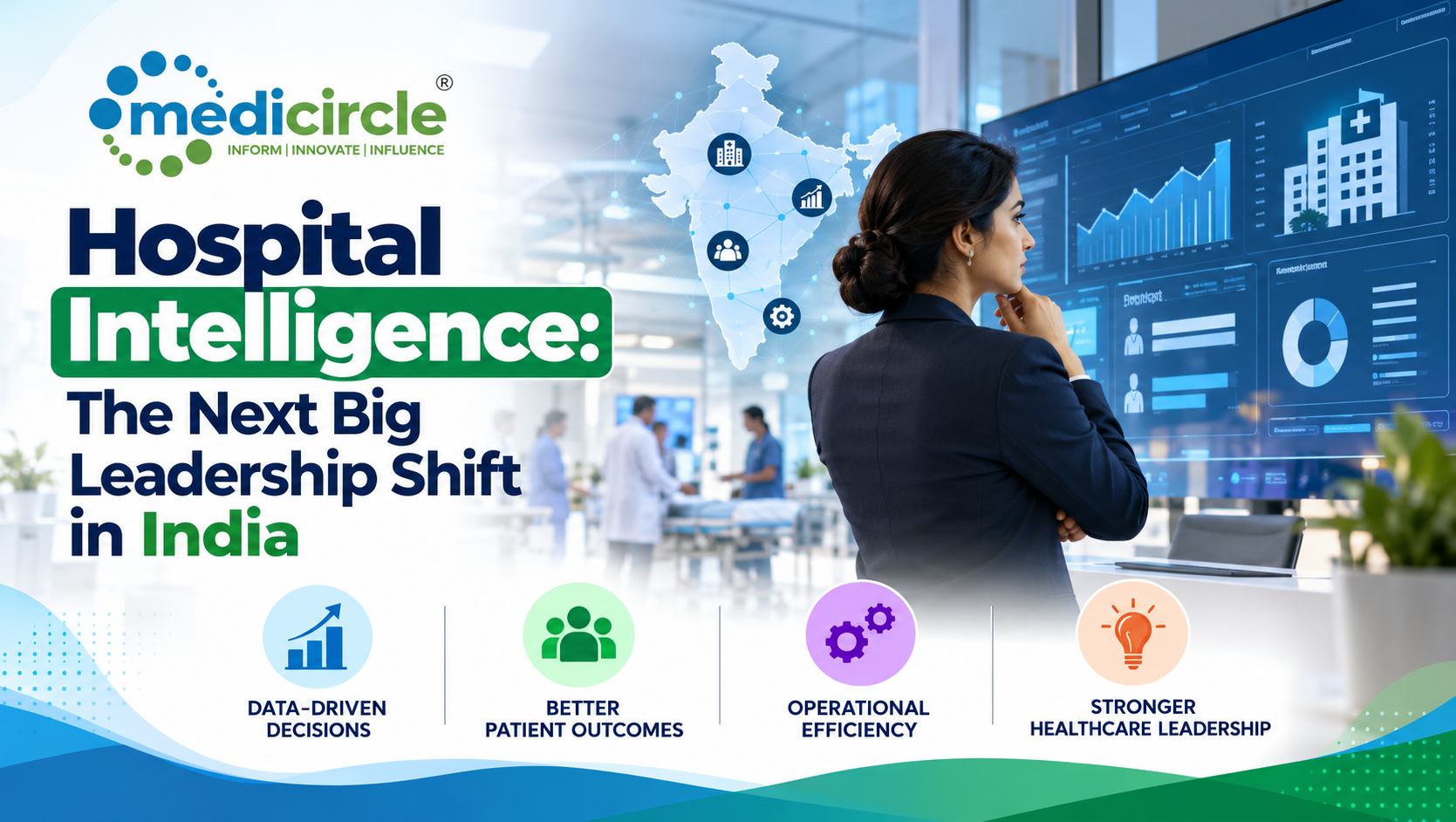
 Data analytics is transforming Indian hospital decision-making by improving clinical outcomes, operational efficiency, financial planning, and public health strategy, while highlighting critical challenges in infrastructure and data quality.





Introduction
Indian hospitals are under more pressure than ever before. Rising patient volumes, shrinking margins, growing chronic disease burden, and increasing expectations for quality care have made efficient, evidence-based decision-making not just an advantage but a necessity. In this environment, data analytics has emerged as one of the most powerful tools available to hospital leadership.
Data analytics in healthcare refers to the systematic use of patient data, operational records, financial metrics, and clinical outcomes to generate insights that guide decisions. Rather than relying on intuition or historical precedent alone, hospital administrators and clinical teams can now draw on real-time information to act faster, more accurately, and with greater accountability.
India's healthcare sector is at a pivotal moment. With the government's push through initiatives like the Ayushman Bharat Digital Mission (ABDM) and the growing adoption of Hospital Management Information Systems (HMIS) across both public and private hospitals, the infrastructure for data-driven healthcare is being built at scale. Understanding how this transformation is unfolding and what it means for hospitals, healthcare leaders, and patients is essential for anyone engaged with the future of Indian healthcare.
Understanding Data Analytics in the Hospital Context
Before exploring its impact, it is important to understand what data analytics actually means within a hospital setting. Hospitals generate enormous volumes of data every single day. Every patient admission, diagnostic test, prescription, billing transaction, staff roster, and supply chain order creates a data point. For most of the history of modern medicine, this data was collected but rarely used strategically.
Data analytics changes that. It involves collecting, organising, cleaning, and analysing these data streams to identify patterns, predict outcomes, and support better decisions. In hospital management, analytics is broadly categorised into four types:
- Descriptive analytics, which summarises what has already happened, such as monthly admission trends or readmission rates
- Diagnostic analytics, which examines why something happened, such as identifying reasons behind a spike in post-surgical complications
- Predictive analytics, which uses historical data and statistical models to forecast future events, such as patient flow peaks or disease outbreaks
- Prescriptive analytics, which recommends specific actions based on data insights, such as optimising bed allocation or staff scheduling
Each layer adds a level of intelligence that supports hospital leadership in making decisions that are faster, more accurate, and more patient-centred.
Clinical Decision-Making and Patient Outcomes
One of the most significant areas where data analytics is making a measurable difference is in clinical decision-making. Physicians and clinical teams in well-equipped hospitals are now supported by data tools that aggregate patient history, lab results, imaging reports, and medication records into a unified view. This reduces the risk of missed diagnoses, drug interactions, and treatment delays.
Predictive analytics is particularly valuable in critical care. Algorithms built on thousands of previous patient records can identify early warning signs of sepsis, cardiac events, or organ failure, sometimes hours before symptoms become apparent to clinical staff. In a country where intensive care resources are limited and demand is high, this kind of early warning system can be the difference between recovery and loss of life.
In oncology, data analytics supports treatment planning by identifying which treatment protocols have produced the best outcomes for patients with similar profiles. In maternal and child health, which remains a priority under India's National Health Mission, predictive models are helping hospitals identify high-risk pregnancies and schedule timely interventions.
The quality of clinical decisions also improves when analytics is used to track outcomes systematically. Hospitals that monitor infection rates, complication frequencies, and recovery timelines by department and by physician can identify where care gaps exist and address them with targeted training, protocol changes, or resource reallocation.
Operational Efficiency and Hospital Administration
Beyond the clinical floor, data analytics is reshaping how hospitals are run as organisations. Hospital administration involves hundreds of decisions daily, from bed management and operating theatre scheduling to procurement, staffing, and financial planning. Without data, many of these decisions are reactive. With analytics, they can be proactive and strategic.
Bed occupancy analytics, for example, allows hospitals to predict demand and manage admissions more effectively. Instead of waiting for emergency situations to strain available capacity, administrators can use historical patterns and seasonal data to plan ahead. This is especially relevant in Indian metro hospitals, where patient volumes can fluctuate significantly across seasons due to disease patterns, festival seasons, and weather events.
Staff scheduling is another area of significant operational impact. By analysing patterns in patient admissions, procedure volumes, and department load, hospitals can design rosters that align workforce availability with actual demand. This reduces burnout among clinical staff, improves response times, and lowers overtime costs.
Supply chain management in hospitals also benefits greatly from analytics. Medication stockouts and equipment shortages are not just operationally disruptive; they can directly compromise patient safety. Predictive procurement models, built on consumption data and lead time records, help materials managers maintain optimal inventory without excessive overstocking that ties up capital.
For hospital groups operating across multiple facilities, enterprise analytics dashboards give leadership a consolidated view of performance across locations, enabling faster course correction and more consistent standards of care.
Financial Planning and Revenue Cycle Management
Hospital finances in India are complex. Public hospitals manage within tight government budgets while serving high patient volumes. Private hospitals balance commercial sustainability with competitive pricing, insurance empanelments under schemes like Ayushman Bharat, and varying payer mixes. In both settings, financial analytics is becoming indispensable.
Revenue cycle analytics tracks the entire journey of a patient's billing from registration to discharge to claim settlement. By identifying delays, denials, and coding errors in real time, hospitals can reduce revenue leakage and improve cash flow. For hospitals empanelled under government insurance schemes, accurate claim documentation supported by data systems means faster reimbursement and fewer rejections.
Cost analytics helps hospital leaders understand the true cost of care delivery by department, procedure, and patient category. This level of insight makes it possible to identify inefficiencies, renegotiate vendor contracts from a position of knowledge, and allocate resources where they generate the greatest clinical and financial return.
Forecasting tools allow CFOs and finance teams to model different scenarios, whether planning a new ward, expanding a specialty, or managing the financial impact of a regulatory change. This kind of data-informed strategic planning is becoming a hallmark of well-governed hospitals in India's Tier 1 and Tier 2 cities alike.
Public Health Strategy and Policy Support
India's public health challenges are vast and varied. From the burden of non-communicable diseases like diabetes and hypertension to infectious disease surveillance and maternal health outcomes, the data needs of health policymakers are immense. Hospitals are increasingly being asked to contribute to national data ecosystems that support public health planning.
The Ayushman Bharat Digital Mission, with its Health Data Management Policy, is designed to create a federated national health record system that allows anonymised, aggregated data from hospitals to inform policy decisions. When hospitals participate meaningfully in this ecosystem and maintain high standards of data quality, their contributions help the government allocate resources more effectively, design targeted interventions, and monitor programme outcomes.
State health departments are using analytics to track disease patterns, monitor programme implementation, and identify underserved areas. For hospital administrators, engaging with this broader public health data environment is not just a compliance matter. It is an opportunity to position their institution as a responsible contributor to India's healthcare improvement journey.
Challenges Facing Indian Hospitals in Adopting Data Analytics
Despite the clear benefits, the adoption of data analytics in Indian hospitals faces real challenges that must be acknowledged honestly.
Data quality is the most fundamental barrier. Analytics is only as good as the data feeding it. Many Indian hospitals, particularly those outside major metro areas, still rely on paper-based records or fragmented digital systems that do not communicate with each other. Inconsistent data entry practices, incomplete records, and the absence of standardised coding make it difficult to build reliable analytical models.
Technology infrastructure is another constraint. Smaller hospitals and those in Tier 2 and Tier 3 cities often lack the IT systems, cloud connectivity, and technical talent needed to implement and sustain analytics programmes. The cost of enterprise analytics platforms can be prohibitive without government support or shared infrastructure models.
Data privacy and security concerns are also growing. As hospitals collect more patient data digitally, the responsibility to protect that data from breaches and misuse becomes critical. India's Digital Personal Data Protection Act, 2023 creates a framework for this, but compliance requires significant investment in systems and processes.
Finally, there is the human dimension. Changing how clinicians and administrators make decisions requires trust in data and training in how to interpret and act on analytics outputs. Building a data-literate culture within a hospital takes time, leadership commitment, and sustained investment in capability development.
The Road Ahead for Indian Hospitals
The direction is clear even if the pace varies. Hospitals that invest in data capabilities today are building a significant competitive and clinical advantage. As ABDM infrastructure matures, as health data standards become more widely adopted, and as affordable analytics tools become available for smaller facilities, the adoption curve will accelerate.
Hospital leaders who recognise data analytics not as a technology project but as a strategic capability will be the ones who build institutions that are resilient, responsive, and genuinely patient-centred. Medicircle, as a platform committed to advancing informed healthcare conversations in India, recognises this transformation as one of the defining shifts in how the country's hospitals will be led and managed in the decade ahead.
Frequently Asked Questions
Q1: What is data analytics in hospital management?
Data analytics in hospital management refers to the use of patient, operational, and financial data to generate insights that support better clinical and administrative decisions. It helps hospitals improve efficiency, reduce costs, and enhance patient outcomes.
Q2: How is data analytics improving patient care in Indian hospitals?
Data analytics improves patient care by enabling early detection of clinical deterioration, supporting more accurate diagnoses, personalising treatment plans, and helping hospitals track outcomes systematically to identify and address care gaps.
Q3: What are the main challenges Indian hospitals face in adopting data analytics?
The primary challenges include poor data quality, fragmented digital infrastructure, limited IT budgets, shortage of data-literate staff, and concerns around patient data privacy and security.
Q4: How does the Ayushman Bharat Digital Mission relate to hospital data analytics?
The Ayushman Bharat Digital Mission creates a national digital health infrastructure that encourages hospitals to digitise records and contribute to a federated health data ecosystem. This enables population-level analytics that informs public health policy and resource allocation.
Q5: Can smaller hospitals in India benefit from data analytics?
Yes. Even smaller hospitals can benefit from basic analytics tools that track admissions, bed occupancy, billing cycles, and inventory. Affordable cloud-based solutions and government-supported digital health initiatives are making analytics increasingly accessible beyond large metropolitan facilities.
Resources
- Ayushman Bharat Digital Mission (ABDM): Official government initiative for building India's digital health ecosystem, including health data standards and infrastructure.
- Ministry of Health and Family Welfare (MoHFW): Central government body publishing health policy frameworks, programme guidelines, and national health data reports relevant to hospital administration.
- Indian Council of Medical Research (ICMR): India's premier biomedical research body providing evidence-based data and clinical guidelines that inform hospital decision-making and analytics benchmarks.
- National Health Authority (NHA): Governing body overseeing Ayushman Bharat and related digital health programmes, with published reports on hospital empanelment and insurance claim analytics.
- World Health Organization (WHO) India: Provides global and India-specific healthcare data, frameworks, and research relevant to public health analytics and hospital performance standards.
Interlinking Keywords
Hospital data analytics India, healthcare decision-making, Ayushman Bharat Digital Mission, hospital management information system, predictive analytics in healthcare, clinical decision support, revenue cycle management hospitals, digital health India, NABH accreditation, health data policy India
Last reviewed by:
Dr. Manthan Tripathi, Medicircle Editorial and Medical Advisory Team on 24, October 2026.
Disclaimer
The content published on Medicircle is intended for informational and educational purposes only. It does not constitute medical advice, clinical guidance, or a substitute for professional consultation with a qualified healthcare provider. Readers are advised to consult appropriate medical or healthcare professionals before making any clinical, operational, or administrative decisions based on the information provided. Medicircle does not endorse any specific product, service, technology platform, or institution mentioned in this article.





-23-300x250.png)