 Thursday, October 08, 2026
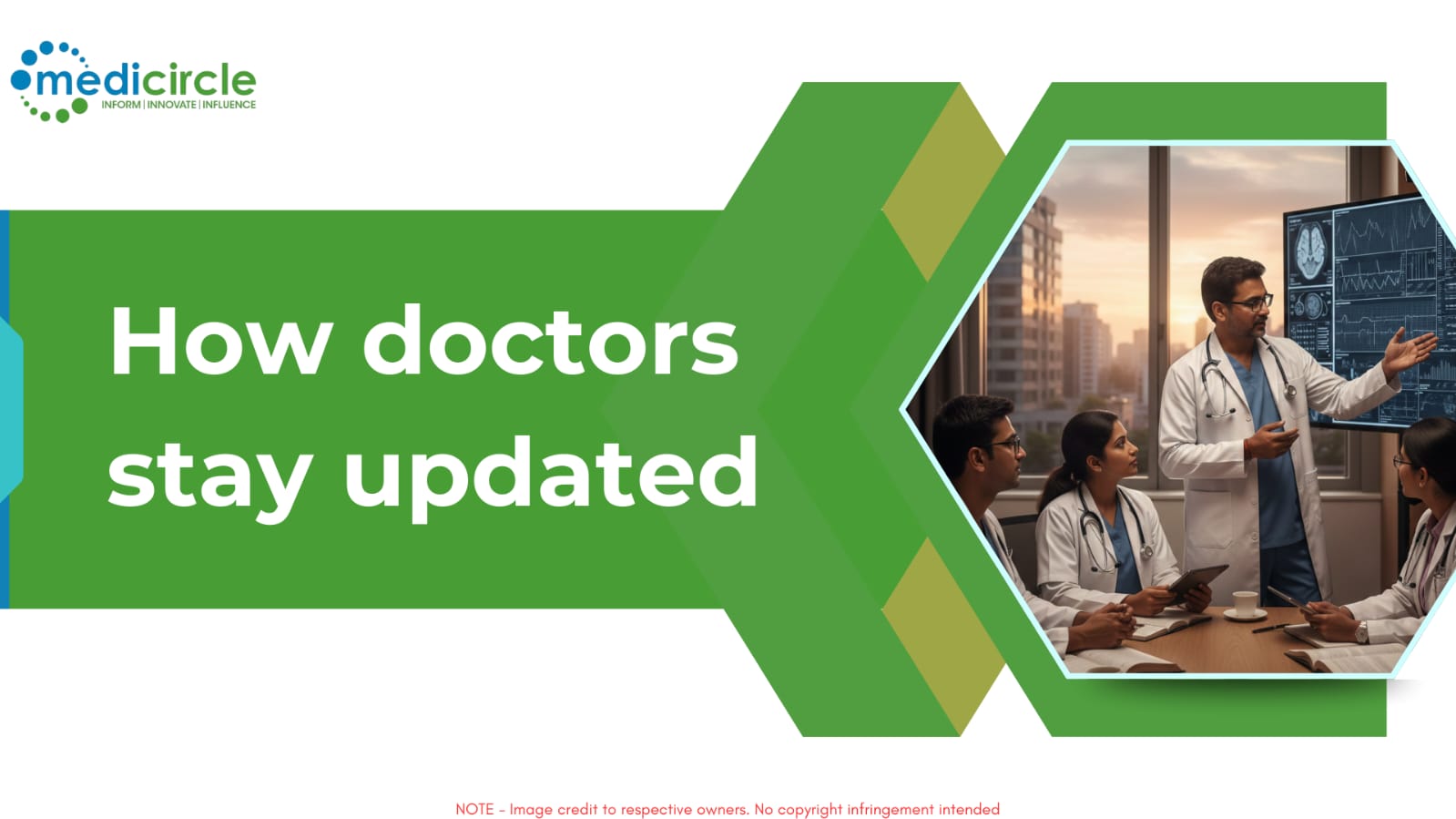
 Doctors stay updated through lifelong learning, digital resources, continuing education, peer collaboration, and supportive technology, ensuring patient care reflects the latest research, guidelines, and compassionate, evidence-based medical practice.




When you visit a doctor, you place your trust in their expertise. You rely on their knowledge to guide you toward better health. This trust is built upon a foundation that requires constant reinforcement. Medical science does not stand still. New research, innovative treatments, and updated guidelines emerge at a rapid pace. For doctors in India, staying current with these advancements is a fundamental professional responsibility. Their dedication to ongoing education directly shapes the quality and effectiveness of the care they provide to every patient.
The process of staying updated extends far beyond occasional training. It represents a comprehensive commitment woven into the fabric of a medical professional's career.
Lifelong Learning in Medicine:
A medical degree marks the beginning of a journey rather than its conclusion. The most effective physicians maintain a deep and enduring sense of curiosity throughout their careers. During a busy clinical day, relying on established methods might seem efficient. However, dedicated practitioners regularly engage in self-reflection. They consider whether a newer diagnostic approach could offer greater accuracy. They contemplate if recent clinical studies suggest a better management pathway for a chronic condition. This fundamental shift in perspective transforms learning from a periodic obligation into a daily professional habit. Continuously questioning and refining one's own knowledge is essential for excellent patient care.
An immense volume of medical literature is published globally each year. No single practitioner can possibly absorb all of it. The solution involves intelligent selection and the use of strategic resources to manage this information flow. Contemporary medical practice in India involves a blend of digital innovation and proven traditional methods.
Many doctors integrate instant digital databases into their daily routine. These expert-reviewed resources are updated regularly with the latest evidence. During a patient consultation, a physician can use these tools to verify drug dosages or confirm diagnostic protocols. This immediate access functions like a continuous consultation with a global panel of specialists.
Structured continuing medical education remains a critical component. Fulfilling mandatory credit hours has evolved into a flexible and accessible process. A vast array of accredited courses and seminars is now available through online platforms. A practitioner in one city can easily complete a specialized course offered by an institution in another. Some doctors utilize audio lectures and medical podcasts, converting commute time into valuable learning opportunities.
The collective wisdom of the professional community is an irreplaceable resource. Medicine has always advanced through collaboration. Traditional case discussion forums in hospitals remain vital. These conversations now continue in digital spaces. Online forums and professional networks allow doctors to discuss complex cases, analyze new research, and seek advice from peers across the country. This dynamic exchange fosters a living, growing community of shared knowledge.
Integrating Supportive Technology:
Technological advancement is reshaping the landscape of medical education. Certain software applications can analyze extensive research papers and produce clear summaries. These tools help busy doctors efficiently identify key findings from a broad range of studies. Other dedicated platforms provide access to thousands of interactive modules and video tutorials on specialized topics like medical imaging. These resources allow for skill enhancement in specific areas of practice.
It is crucial to recognize that these technologies serve as assistants to clinical judgment. They are designed to augment, not replace, the physician's expertise. By streamlining the process of information gathering, these tools return a precious commodity to the doctor. This gained time can be invested in deeper critical thinking, richer collaboration with colleagues, and more meaningful engagement with patients.
Putting Patients First:
Every learning activity, whether using a digital tool or discussing with a colleague, ultimately serves one primary goal. That goal is the well-being of the patient. In the Indian context, the doctor-patient relationship is deeply rooted in personal trust and understanding. A patient's cultural background, family dynamics, and personal beliefs significantly influence health outcomes. True medical expertise is demonstrated not only by knowledge of international standards but also by the ability to adapt that knowledge sensitively to an individual's life circumstances.
The modern doctor therefore blends the roles of scientist and counselor. They synthesize the latest clinical evidence with genuine empathy and understanding. They employ technology for information while relying on experience and compassion for decision-making. They draw insights from a global professional network and apply them thoughtfully within their local community.
A physician's pledge to lifelong learning is a silent promise made to every patient. It is a promise that their care is informed by the accumulated wisdom of medical history and the forward-looking promise of current science. This commitment ensures that each clinical consultation contributes to a foundation for lasting health.






.jpeg)








.jpg)
.jpg)
.jpg)
.jpg)
.jpg)
.jpg)


.jpg)
.jpg)
.jpg)