 Sunday, October 11, 2026
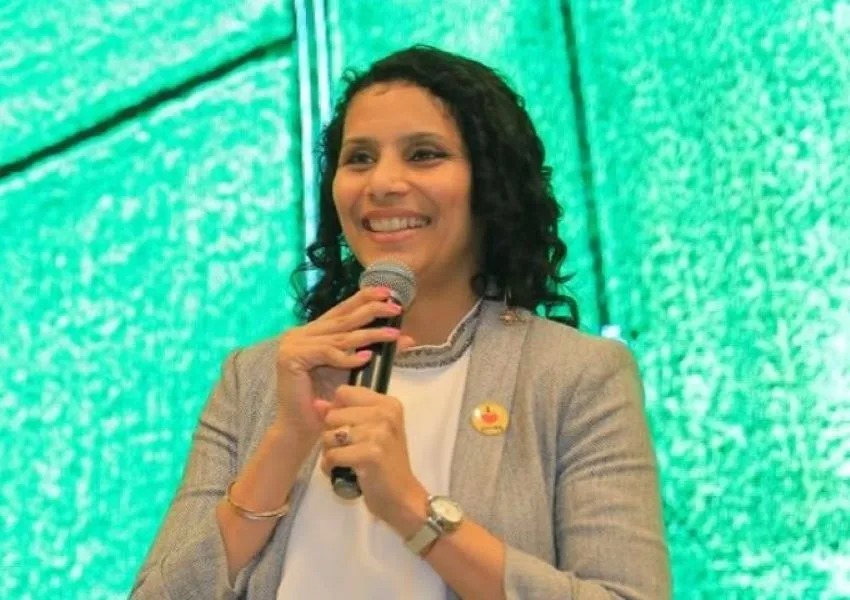
 Polycystic Ovarian Syndrome (PCOS) has become a very common problem among women, to the extent that 1 out of 10 women worldwide is affected by it.




Polycystic Ovarian Syndrome (PCOS) has become a very common problem among women, to the extent that 1 out of 10 women worldwide is affected by it. Besides being a reproductive disorder, it represents a combination of hormonal, metabolic, genetic, and emotional changes that can even affect the person's general health. Though traditional medicine mainly uses drugs and advises on lifestyle for symptom relief, a considerable number of women are resorting to the help of Pranic Healing for the natural restoration of their balance.
Pranic Healing is an energy-based therapy without any physical contact or use of drugs that operates on the concept of health disorders being energetic blockages or energy depletion of the body. By the process of cleansing and energizing the human energy field, Pranic Healing is eliciting the body's natural healing process. The term prana means "life force energy," and the unimpeded flow of it is regarded as the absolute minimum requirement for a person's physical and emotional health.
Pranic Healing identifies specific chakras associated with hormonal balance for the systems impacted by PCOS. The Ajna Chakra, located between the eyebrows, is associated with the endocrine system that produces hormones. When balanced, it regulates glands such as the pituitary and hypothalamus that regulate reproductive and metabolic activity. Increasing the energy of this chakra can help improve hormonal regulation and contribute to menstrual health stability.
A usual healing session may comprise the removal of used up energy from the aura and balancing the chakras to let the energy flow freely in the body and hormone health. Pranic Psychotherapy is generally used to extract emotional stress or trauma that comes along with PCOS flare-ups. Besides the energy work and consciousness practice, the healer still offers lifestyle guidance, diet, physical activities, and stress reduction to assist in the healing process. Patients may be advised to attend the healing process almost thrice a week so as to integrate the physical, emotional, and energetic aspects of the disease.
A large number of women experiencing various situations have stated that their menstrual cycles became regular and they suffered less cyst-related discomfort after they had the therapy sessions on a regular basis. PCOS usually is not just a condition that affects the body but the confidence, the self-esteem, and the emotional balance of a woman as well. The healing that one receives through Pranic Healing is the totality of healing from these aspects as it rids the person of negative thought patterns and at the same time, calms the anxiety. They often feel that their mood is now better, a certain depth of being that is very much called inner peace, and a stronger feeling of health through their healing process.
The method of Pranic Healing is gentle and effective in controlling PCOS. Nevertheless, it is not a substitute for medical care but only a supportive therapy that re-establishes the energy equilibrium, encourages emotional health and assures long-term healing. For the women who are searching for other ways to get rid of the condition except by medication, it becomes like light and a lovely memory that the healing of the body is as much as the mind and the spirit.






.jpeg)










.jpg)
.jpg)
.jpg)
.jpg)
.jpg)
.jpg)


.jpg)