 Monday, October 05, 2026
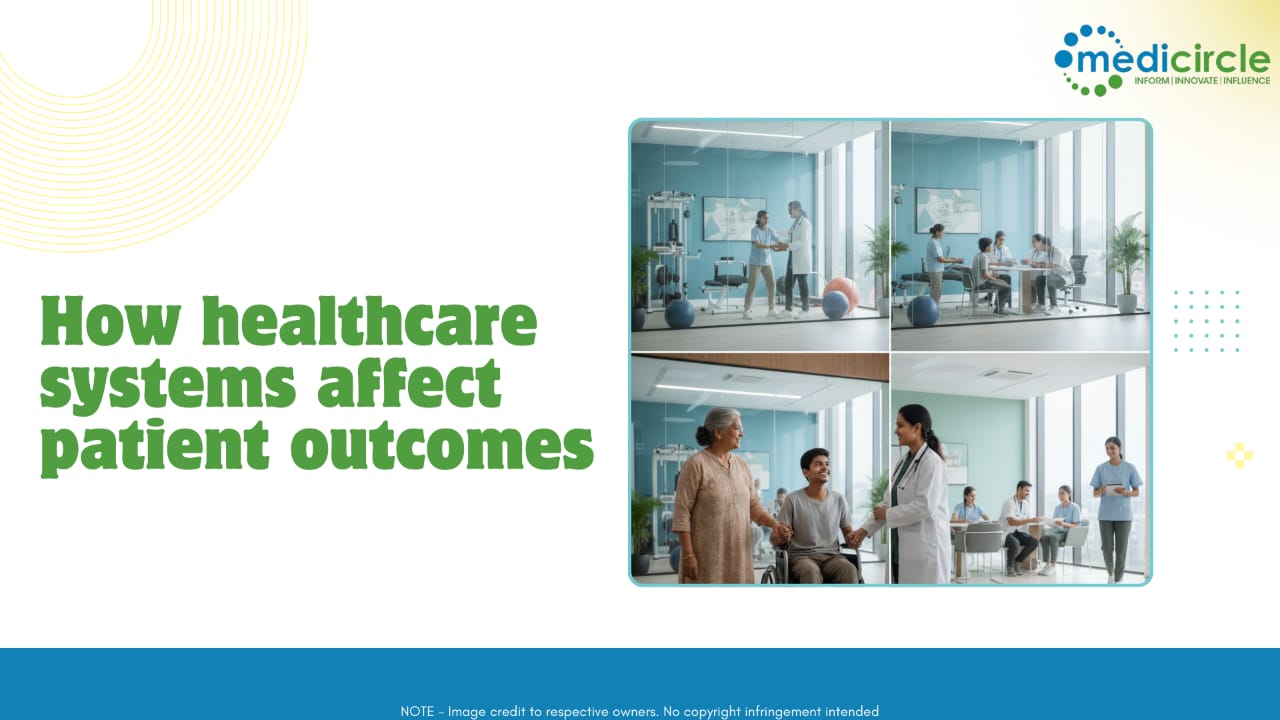
 This article explores how healthcare systems shape patient recovery in India, influencing outcomes through transparency, patient-centric care, innovation and informed individual participation beyond doctor-patient interactions.




We often picture healthcare as a direct relationship between a patient and a doctor. The expert makes a diagnosis, prescribes treatment and the patient gets better. Yet, this familiar image misses a crucial, silent partner in the process: the healthcare system itself. In India, navigating health challenges means interacting with a vast network of structures, policies and processes. This underlying system, more than any single pill or procedure, frequently determines the final result of a patient’s journey. Its design can either pave a smooth road to recovery or create a series of frustrating obstacles.
Understanding the ecosystem:
Think of a positive health outcome not as a solitary event, but as the product of an entire ecosystem. A skilled surgeon is vital, but so is the pre-surgical screening protocol that catches a hidden allergy. An effective drug is essential, but so is the pharmacist’s clear guidance on how to take it. This ecosystem encompasses everything from the ease of booking a first consultation and the clarity of billing to the safety standards in the operation theatre and the availability of rehabilitation services after discharge.
A practical example is the modern shift in choosing where to get care. For generations, families in India depended on personal recommendations and a hospital’s reputation. Now, a systemic change is taking root. There is a growing move toward transparency, where potential patients can look up measurable data before making a choice. Access to information about a hospital’s infection control rates, success metrics for specific surgeries and patient safety records transforms a leap of faith into an informed decision. This shift toward openness is a direct feature of the system that builds trust and steers people toward better care, ultimately leading to more positive experiences.
Shifting the focus:
At its best, a healthcare system recognizes that it is treating a person with a life, fears and a family, not just a medical condition listed on a chart. This principle of patient-centric care is moving from a nice idea to a necessary standard. It means designing processes that consider emotional distress and financial strain as seriously as clinical symptoms.
We see this evolution in how some corporate health initiatives are expanding their scope. Moving beyond traditional charity, they are integrating support that addresses the full weight of an illness. This can include counseling services for the anxiety a diagnosis brings, guidance on managing treatment expenses and practical help for a patient’s household. When the system provides this holistic cushion, it actively removes barriers to healing. Reducing the tremendous stress that accompanies sickness allows treatments to work more effectively, proving that caring for the person is integral to curing the patient.
The backstage work:
News stories about groundbreaking treatments, like the first use of a new heart procedure in a state, highlight a moment of triumph. However, that moment rests on years of systemic effort. Bringing an innovation from a research lab to a local hospital requires a system that actively fosters growth. It needs investment in research, regulatory pathways for new equipment and training programs to build specialist skills.
The rise of Indian medical device companies focused on innovation is a key part of this engine. Strategic investments in these firms help ensure that the latest medical technology is not only invented but also becomes accessible and affordable here. Similarly, foundational research, studying how cancer cells evade the immune system or modeling mental health conditions in laboratories, lays the groundwork for the therapies of tomorrow. A forward-looking healthcare system commits to this pipeline, understanding that today’s investment in knowledge is an investment in saving lives a decade from now.
Your role matters:
While the system must be built to support, the individual is not a passive recipient. The most effective healthcare experiences involve informed participants. This means feeling empowered to ask a doctor about different treatment options, understanding what hospital quality metrics actually measure and recognizing that long-term health is built daily through personal choices.
Consider discussions on reproductive wellness, which clearly connect daily habits like nutrition, sleep patterns and stress management to long-term hormonal health. These are personal, preventive actions within everyone’s control. Likewise, learning about environmental factors, such as the quality of air inside our homes, allows us to minimize hidden risks. You are the one constant in your health narrative. A robust system equips you with knowledge and clear pathways, but you hold the pen to write significant parts of your own story.
A more connected future:
The direction for a stronger Indian healthcare system is becoming clear. The goal is seamless integration, where every element works in harmony for the patient. Achieving this demands a steadfast commitment to transparency at all levels. It calls for care models that treat financial and emotional well-being as core components of medical practice. It relies on nurturing innovation that tackles the specific health challenges faced by communities across the nation.
Platforms dedicated to demystifying healthcare information perform a vital service in this mission. They translate the system’s complex workings into understandable insights, helping people make confident decisions. After all, the ultimate measure of any healthcare system is the health and trust of the people it serves. By striving to make it more informative, deeply supportive and innovatively tailored, we work toward a future where everyone’s health journey is met with competence, compassion and the highest chance for a good outcome.






.jpeg)
.jpg)
.jpg)
.jpg)
.jpg)
.jpg)
.jpg)


.jpeg)

.jpeg)
.png)