Tuesday, October 06, 2026
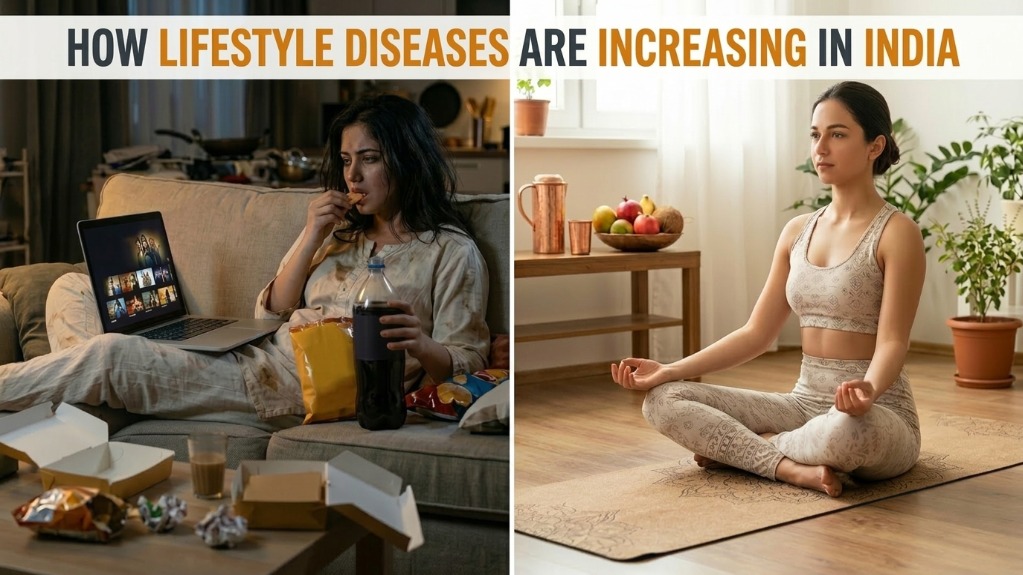
 India is witnessing a silent but powerful health shift. While infectious diseases once dominated healthcare concerns, today the real challenge comes from within our daily lives. The rapid rise of lifestyle diseases is changing the health landscape of the country, affecting not just older adults but increasingly younger populations as well.




How Lifestyle Diseases Are Increasing in India
India is witnessing a silent but powerful health shift. While infectious diseases once dominated healthcare concerns, today the real challenge comes from within our daily lives. The rapid rise of lifestyle diseases is changing the health landscape of the country, affecting not just older adults but increasingly younger populations as well.
The reason is not hidden in genetics alone. It lies in the way people live, eat, work, and rest. The growing gap between traditional routines and modern habits has led to a surge in conditions linked directly to health and lifestyle choices.
Understanding Lifestyle Diseases in Modern India
The concept of lifestyle diseases revolves around illnesses that develop due to long-term unhealthy patterns. These conditions are deeply connected to habit lifestyle decisions such as poor diet, lack of movement, stress, and irregular routines.
India’s transformation into a fast-paced, technology-driven society has encouraged a sedentary life style, where physical activity is minimal and screen time dominates daily routines. This shift has significantly impacted both physical and mental well-being.
At the same time, there is a growing disconnect from healthy life habits that were once naturally embedded in traditional lifestyles. As a result, conditions like diabetes, heart disease, and hypertension are becoming increasingly common.
The Role of Unhealthy Daily Habits
One of the biggest reasons behind the rise of lifestyle diseases in India is the accumulation of poor daily choices. A not healthy lifestyle often includes irregular eating patterns, processed foods, lack of sleep, and minimal physical activity.
These patterns slowly disrupt the body’s natural balance. Over time, they lead to metabolic disorders, weight gain, and reduced immunity. This is why building healthy daily habits is no longer optional but essential for long-term wellness.
People often underestimate the power of small routines. However, consistent good lifestyle habits such as staying active, eating balanced meals, and managing stress can significantly reduce health risks.
Impact of Diet on Lifestyle Diseases
Diet plays a central role in shaping overall health. The shift from traditional home-cooked meals to processed and fast foods has contributed heavily to the rise of lifestyle diseases.
A healthy lifestyle diet focuses on natural, nutrient-rich foods that support body functions. In contrast, high sugar and high-fat diets increase the risk of obesity and cardiovascular diseases.
Adopting a balanced diet for healthy life ensures that the body receives essential nutrients. Proper planning through a meal plan for healthy lifestyle can help maintain consistency and prevent unhealthy eating patterns.
The connection between lifestyle and diet is strong, and improving food choices is one of the most effective ways to promote healthy food lifestyle habits.
Physical Inactivity and Its Consequences
Modern living has reduced the need for physical movement. Long hours of sitting, whether at work or at home, contribute to a decline in overall health.
A lack of regular exercise affects metabolism, reduces energy levels, and increases the risk of chronic diseases. This is why experts emphasize the importance of an active healthy lifestyle.
Engaging in exercise and healthy lifestyle practices improves cardiovascular health, strengthens muscles, and enhances mental clarity. It also plays a key role in maintaining a heart healthy lifestyle.
The benefits go beyond physical fitness. Regular activity supports emotional well-being and helps create a happy and healthy life.
Heart Health and Lifestyle Choices
Heart disease is one of the most common lifestyle diseases in India. The absence of a healthy lifestyle for heart leads to increased cholesterol levels, high blood pressure, and other risk factors.
Adopting heart healthy lifestyle changes such as balanced nutrition, regular movement, and stress management can significantly reduce these risks.
A heart healthy life is built on consistent habits. Choosing healthier oils, maintaining portion control, and staying physically active all contribute to better cardiovascular health.
The Importance of Healthy Living Habits
Creating a balanced lifestyle requires a combination of physical, mental, and emotional well-being. It is not just about avoiding illness but about building a sustainable way of living.
Incorporating healthy living habits such as proper sleep, hydration, and mindful eating supports long-term health. These habits form the foundation of a healthy and active lifestyle.
The idea of living a healthy lifestyle is not about strict rules. It is about making better choices consistently. Even small steps can lead to significant improvements over time.
The Power of Consistency in Lifestyle Choices
Consistency is what transforms intentions into results. Following healthy habits for healthy living every day creates a strong defense against disease.
The concept of 10 healthy habits or even 5 healthy habits is often discussed, but the number is less important than the consistency behind them. Whether it is staying active, eating well, or managing stress, regular practice is key.
A better lifestyle is not achieved overnight. It is built through repeated actions that support both physical and mental health.
Promoting a Healthier Future in India
India’s rising health challenges highlight the need for awareness and action. Promoting health and wellness lifestyle practices can help individuals take control of their well-being.
Educational initiatives and community efforts can encourage people to adopt healthy lifestyle choices early in life. This not only reduces disease risk but also improves quality of life.
Encouraging fitness and healthy lifestyle awareness in schools, workplaces, and communities can create a culture of health that benefits future generations.
Conclusion
The increase in lifestyle diseases in India is a reflection of changing habits and priorities. While modernization has brought convenience, it has also introduced challenges that cannot be ignored.
The solution lies in returning to balance. By focusing on healthy diet and lifestyle, adopting regular exercise, and building good habits for healthy life, it is possible to reverse this trend.
Because true health is not just about avoiding disease. It is about creating a life that is physically strong, mentally stable, and emotionally fulfilling.
FAQs
- What are lifestyle diseases?
Lifestyle diseases are conditions caused by unhealthy daily habits and routines.
- Why are lifestyle diseases increasing in India?
Due to poor diet, lack of exercise, and a sedentary life style.
- How can I prevent lifestyle diseases?
Adopt a healthy lifestyle, maintain a balanced diet, and stay active.
- What is a healthy lifestyle?
A healthy lifestyle includes proper nutrition, exercise, and mental well-being.
- How does diet affect health?
A healthy lifestyle diet supports body functions and prevents disease.
- Why is exercise important?
Regular exercise improves physical and mental health.
- What are healthy daily habits?
Healthy daily habits include eating well, staying active, and sleeping properly.
- Can lifestyle diseases be reversed?
Early changes in healthy lifestyle habits can help manage or reverse some conditions.
- What is a heart healthy lifestyle?
A heart healthy lifestyle includes balanced diet and regular activity.
- Why is consistency important?
Consistency in healthy habits for healthy life leads to long-term results.






.jpeg)
.jpg)
.jpg)
.jpg)
.jpg)
.jpg)
.jpg)


.jpg)
.jpg)
.jpg)
.jpg)
.jpg)
.jpg)