 Monday, October 12, 2026
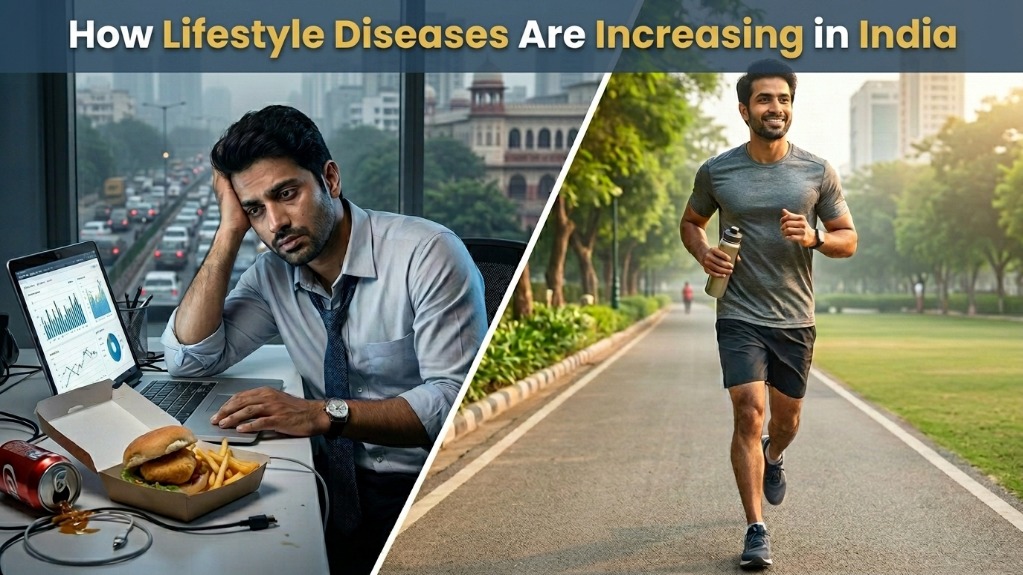
 India is changing rapidly. Cities are expanding, technology is advancing, and lifestyles are becoming more convenient than ever before. But behind this progress lies a growing health crisis that many people are still ignoring. The rise of lifestyle diseases is becoming one of the biggest challenges facing modern India.




How Lifestyle Diseases Are Increasing in India
India is changing rapidly. Cities are expanding, technology is advancing, and lifestyles are becoming more convenient than ever before. But behind this progress lies a growing health crisis that many people are still ignoring. The rise of lifestyle diseases is becoming one of the biggest challenges facing modern India.
What once affected only older populations is now increasingly seen in younger individuals. Conditions like diabetes, heart disease, and hypertension are no longer rare. They are becoming common, and the reason lies largely in the way people live their daily lives.
What Are Lifestyle Diseases?
To understand the issue, it is important to first explore what lifestyle diseases actually mean. These are conditions that develop primarily due to unhealthy habits such as poor diet, lack of physical activity, stress, and irregular routines.
Also referred to as life style disorders or lifestyle illness, these conditions do not appear suddenly. They develop slowly over time as a result of repeated unhealthy choices. The connection between lifestyle and disease is direct and undeniable.
Some of the most common lifestyle diseases include type 2 diabetes, heart disease, obesity, hypertension, and certain types of cancer. These are often listed among the 5 lifestyle diseases that contribute significantly to global health concerns.
Why Lifestyle Diseases Are Rising in India
The increase in lifestyle based diseases in India is not accidental. It is driven by a combination of social, economic, and behavioral changes.
Urbanization has made life more sedentary. Many people spend long hours sitting at desks, commuting, or using digital devices. This lack of movement contributes to poor physical health and increases the risk of diseases.
Dietary habits have also shifted. Traditional home-cooked meals are being replaced by processed and fast foods high in sugar, salt, and unhealthy fats. These changes are closely linked to lifestyle diabetes and cardiovascular conditions.
Stress is another major factor. Work pressure, financial responsibilities, and fast-paced living contribute to chronic stress, which directly impacts health. Over time, this leads to conditions like hypertension and heart disease.
Common Lifestyle Diseases in India
The list of examples of lifestyle diseases continues to grow, but some conditions are particularly prevalent.
Type 2 diabetes is one of the most widespread conditions, often referred to as lifestyle causes of type 2 diabetes due to its strong link with diet and inactivity. India is already considered one of the diabetes capitals of the world.
Heart disease is another major concern. A lack of a heart healthy lifestyle leads to high cholesterol, blocked arteries, and increased risk of heart attacks. Many people are unaware of the importance of maintaining a healthy lifestyle for heart until symptoms appear.
Hypertension, or high blood pressure, is also increasing rapidly. Poor diet, stress, and lack of exercise contribute to this condition, making lifestyle for high blood pressure an important area of focus.
The Role of Sedentary Living
One of the biggest contributors to lifestyle and disease is sedentary living. Physical inactivity has become a norm, especially in urban areas.
Spending hours sitting without movement affects metabolism, reduces calorie burning, and weakens the cardiovascular system. Over time, this leads to obesity, diabetes, and heart disease.
The importance of exercise and diabetes prevention cannot be overstated. Regular movement improves insulin sensitivity, helps control weight, and supports overall health.
Changing Food Habits and Their Impact
Food choices play a critical role in the development of life style related diseases. The shift toward processed foods has increased the intake of sugar, unhealthy fats, and preservatives.
These dietary patterns contribute to weight gain, poor digestion, and metabolic disorders. They also increase the risk of heart disease, making it essential to adopt a heart healthy life approach.
Traditional diets rich in fruits, vegetables, and whole grains are gradually being replaced, leading to a rise in lifestyle illness across all age groups.
The Importance of Prevention
The good news is that lifestyle disease prevention is possible. Unlike many other health conditions, lifestyle diseases can often be prevented or managed through simple changes.
Understanding lifestyle diseases and prevention helps individuals take control of their health before problems arise. Preventive measures focus on improving daily habits rather than relying solely on medical treatment.
Adopting a healthy lifestyle heart routine, maintaining a balanced diet, and staying physically active are key components of prevention.
Lifestyle Changes That Make a Difference
Making small but consistent changes can significantly reduce the risk of lifestyle diseases and their prevention.
Regular physical activity is essential. Even moderate exercise can improve heart health, reduce stress, and support weight management. This is why exercise and diabetes prevention is widely recommended by health experts.
A balanced diet that includes fresh, natural foods supports overall well-being. Reducing processed food intake helps prevent obesity and related conditions.
Managing stress is equally important. Practices such as mindfulness, relaxation techniques, and adequate sleep contribute to better health outcomes.
The Need for Awareness in India
Despite the growing prevalence of lifestyle based diseases, awareness remains limited. Many people still believe that these conditions are unavoidable or only affect older individuals.
Public health initiatives must focus on educating people about the risks and encouraging preventive measures. Awareness campaigns can play a crucial role in promoting healthier choices.
Encouraging regular health checkups and early detection can also help manage conditions effectively. Prevention is always more effective than treatment.
Building a Healthier Future
The goal is not just to treat diseases but to create a culture of health. Promoting a live long and healthy life approach requires collective effort from individuals, communities, and healthcare systems.
By focusing on prevention and adopting healthier habits, it is possible to reduce the burden of lifestyle diseases in India. The choices made today will determine the health of future generations.
Conclusion
The rise of lifestyle diseases in India is a clear reflection of changing habits and priorities. While progress has brought convenience, it has also introduced challenges that cannot be ignored.
Understanding the connection between lifestyle and disease, making informed choices, and focusing on prevention lifestyle diseases can help reverse this trend.
Because in the end, health is not just about living longer—it is about living better.
FAQs
- What are lifestyle diseases?
Lifestyle diseases are conditions caused by unhealthy habits such as poor diet and lack of exercise.
- What are common lifestyle diseases in India?
Common conditions include diabetes, heart disease, and hypertension.
- Why are lifestyle diseases increasing in India?
Urbanization, poor diet, stress, and inactivity are major factors.
- Can lifestyle diseases be prevented?
Yes, lifestyle disease prevention is possible through healthy habits.
- What is lifestyle diabetes?
Lifestyle diabetes refers to type 2 diabetes caused by lifestyle factors.
- How does exercise help prevent diseases?
Exercise and diabetes prevention improve metabolism and heart health.
- What is a heart healthy lifestyle?
A heart healthy lifestyle includes exercise, balanced diet, and stress management.
- What are examples of lifestyle diseases?
Examples include diabetes, obesity, and cardiovascular diseases.
- How can I reduce my risk?
Adopt a healthy routine and focus on lifestyle diseases and prevention.
- Why is awareness important?
Awareness helps people take early action and prevent complications.






.jpeg)










.jpg)
.jpg)
.jpg)
.jpg)
.jpg)
.jpg)


.jpg)