 Thursday, October 08, 2026
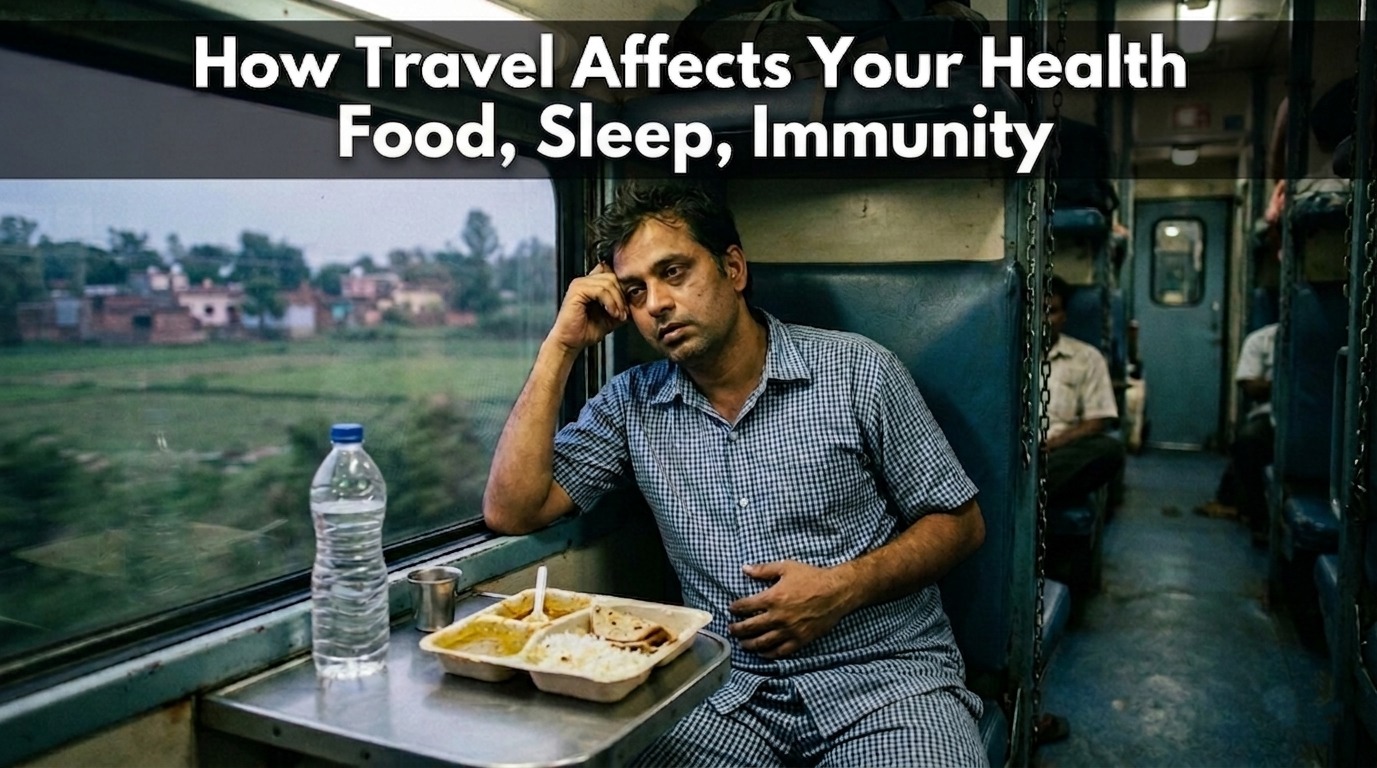
 Travel disrupts the body’s natural rhythms, affecting food habits, sleep patterns, and immune responses. Changes in diet and irregular schedules can impact digestion and metabolic balance, while altered sleep cycles may reduce energy and recovery. Increased exposure to new environments can also challenge the immune system. Although travel supports mental well-being, its overall health impact depends on how effectively the body adapts to these changes.





Travel often feels like a break from routine, but your body does not always experience it that way. A change in environment, food habits, sleep cycles, and exposure to new conditions can quietly shift how your body functions. Some of these changes are refreshing, while others take time to adjust. The impact is not always obvious in the moment, but it becomes clearer when you return and notice what has changed.
What Really Changes In Your Body When You Travel
When you travel, your body moves out of its usual rhythm. Eating times change, sleep patterns shift, and your exposure to different climates and environments increases. These changes affect how your body processes energy, responds to stress, and maintains balance.
Many people ask, is travelling good for you, and the answer is not one-dimensional. Travel can improve mental well-being and provide new experiences, but it also challenges the body physically. The idea that travelling is healthy depends on how well your body adapts to these shifts.
The scientific benefits of travelling often relate to mental stimulation and emotional reset, but physical effects like digestion, sleep disruption, and immune response are just as important to understand.
How Food Habits Shift During Travel
Food is one of the most noticeable changes when you travel. You eat at different times, try unfamiliar cuisines, and often consume richer or more processed meals than usual. This can affect digestion, hydration, and overall energy levels.
The health benefits of travelling can include exposure to diverse diets, especially when meals are balanced and fresh. Trying local foods can introduce your body to new nutrients and flavors, which can be beneficial in moderation.
However, irregular eating patterns and overeating can lead to discomfort. Heavy meals, dehydration, and inconsistent meal timing may cause bloating, fatigue, or digestive imbalance. During international travel and health transitions, these effects can become more noticeable due to time zone changes and unfamiliar ingredients.
Does Travelling Affect Sleep Patterns
Sleep is often the first thing to get disrupted when you travel. New environments, different time zones, and irregular schedules can interfere with your natural sleep cycle.
Many people experience difficulty falling asleep or waking up frequently, which leads to the question, does travelling affect sleep in a lasting way. The answer depends on duration and travel habits. Short trips may cause temporary disruption, while frequent travel can create ongoing sleep irregularities.
Understanding how does travelling affect sleep helps explain why you may feel tired even after resting. Your body clock, or circadian rhythm, needs time to adjust, especially during long-distance travel.
Common changes in sleep during travel include:
- Difficulty falling asleep in new environments
- Waking up earlier or later than usual
- Reduced sleep quality due to schedule changes
- Fatigue during the day despite adequate rest
These changes usually stabilize once your routine returns to normal.
How Travel Influences Your Immune System
Travel exposes your body to new environments, which can both strengthen and challenge your immune system. Changes in climate, food, water, and exposure to different microbes all play a role.
The question how does travelling affect immune system is especially relevant for frequent travelers. On one hand, exposure to new conditions can help the body adapt and build resilience. On the other hand, stress, poor sleep, and irregular meals can temporarily weaken immunity.
During international travel and health situations, the body may take longer to adjust, increasing susceptibility to minor infections such as colds or digestive issues.
Factors that influence immunity while traveling include:
- Sleep disruption
- Dehydration
- Exposure to new bacteria and viruses
- Physical fatigue from long journeys
Maintaining balance during travel plays a key role in how your immune system responds.
The Emotional And Mental Side Of Travel
Travel does not only affect the body. It also has a strong impact on mental and emotional well-being. Experiencing new places, cultures, and routines can create a sense of renewal and perspective.
This is where how does travel affect your happiness becomes relevant. Travel often improves mood, reduces stress, and provides a mental break from routine. These effects contribute to the broader benefits of travelling, especially in terms of emotional health.
However, travel can also bring moments of stress, especially when plans change or routines are disrupted. The balance between excitement and adjustment determines how positive the experience feels overall.
Case Studies: How Travel Impacts Health In Real Situations
Case Study 1: Sleep disruption during frequent travelA working professional traveling across time zones began noticing persistent fatigue. Even after returning home, sleep patterns remained irregular for several days. The issue was not lack of sleep but misalignment in timing. Over time, this pattern affected energy levels and concentration.
Case Study 2: Digestive changes during food explorationA traveler exploring new cuisines experienced bloating and discomfort after several days of irregular eating. The shift from routine meals to heavier, unfamiliar foods affected digestion. Once meal timing and hydration improved, the symptoms gradually settled.
Case Study 3: Immunity drop after long tripsAfter an extended trip involving multiple locations, a traveler experienced mild illness shortly after returning. Sleep disruption, fatigue, and environmental exposure had reduced the body’s ability to recover quickly.
Mistakes To Avoid While Traveling
Travel becomes easier on the body when certain habits are maintained.
- Skipping meals or overeating
- Ignoring hydration
- Disrupting sleep schedules excessively
- Overloading itineraries without rest
- Ignoring early signs of fatigue
Avoiding these patterns helps maintain balance during travel.
FAQs
1. Is travelling good for you physically and mentally?Yes, is travelling good for you depends on how you manage it. It can improve mental well-being but may temporarily affect sleep and digestion.
2. What are the health benefits of travelling?The health benefits of travelling include reduced stress, improved mood, and exposure to new environments that support mental refresh.
3. Does travelling affect sleep quality?Yes, does travelling affect sleep due to changes in routine, environment, and time zones.
4. How does travelling affect sleep cycles?How does travelling affect sleep involves disruption of the body clock, which takes time to adjust.
5. How does travelling affect immune system function?How does travelling affect immune system depends on sleep, nutrition, and exposure to new environments.
6. Are there scientific benefits of travelling?Yes, the scientific benefits of travelling include improved cognitive flexibility and reduced stress levels.
7. Is travelling considered healthy overall?Yes, travelling is healthy when balanced with proper rest, nutrition, and hydration.
8. What is the link between international travel and health?International travel and health are connected through exposure to new environments, which affects sleep, digestion, and immunity.
9. How does travel affect your happiness long-term?How does travel affect your happiness depends on experiences, rest, and how well you adapt to changes.
10. What are the benefits of travelling regularly?The benefits of travelling include mental refresh, new perspectives, and emotional balance.
Conclusion
Travel affects your body in ways that are not always immediately visible. Changes in food, sleep, and environment influence how you feel during and after a trip. While the benefits of travelling are clear, maintaining balance is what makes the experience truly healthy.






.jpeg)








.jpg)
.jpg)
.jpg)
.jpg)
.jpg)
.jpg)


.jpg)
.jpg)
.jpg)