Tuesday, October 27, 2026
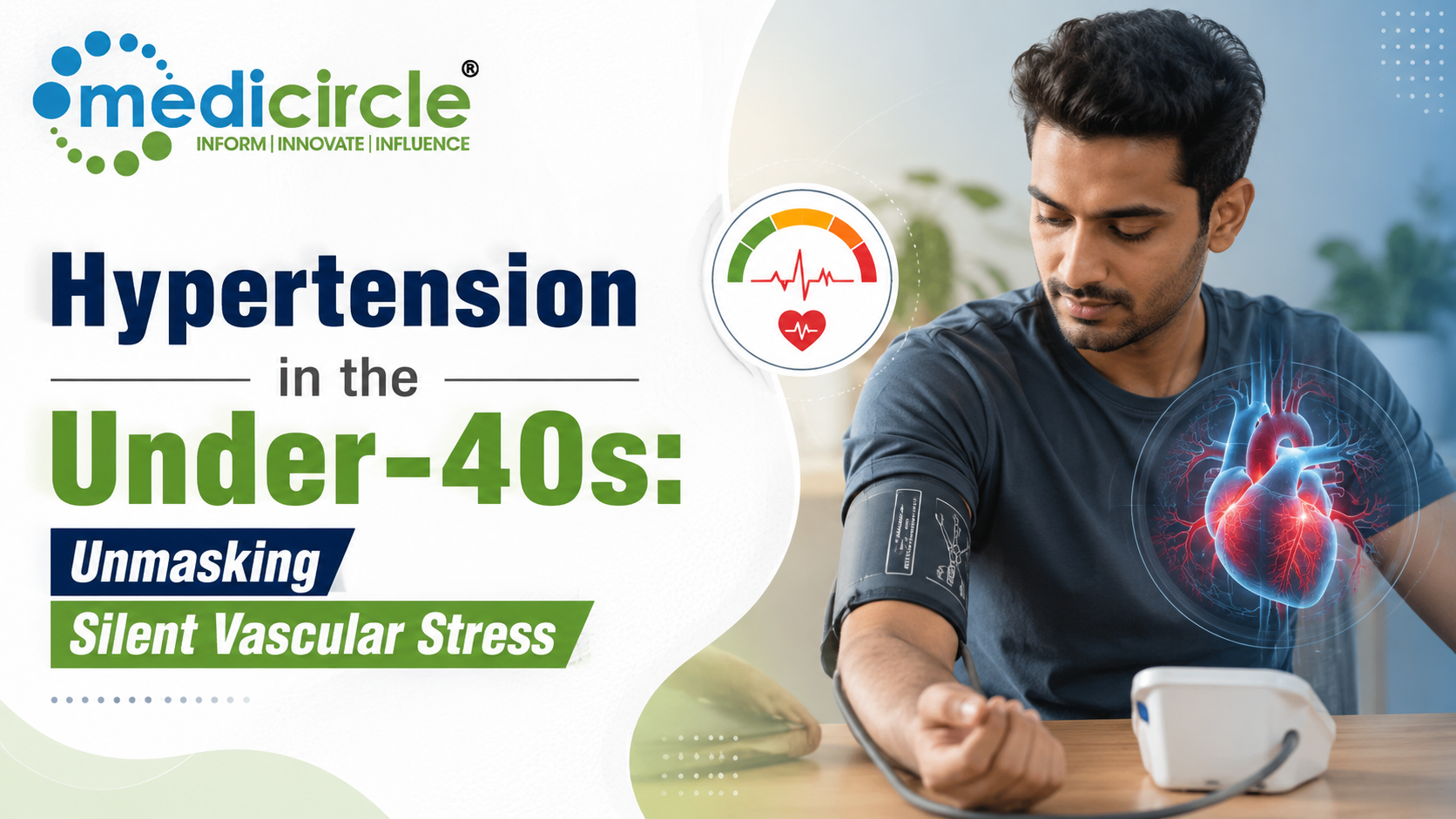
 High blood pressure is no longer a condition limited to older adults. Growing evidence shows that hypertension is increasingly affecting people under 40, often developing silently without noticeable symptoms. Early detection and lifestyle interventions are becoming critical to prevent long-term cardiovascular damage and reduce future risks of heart disease and stroke.




The medical consensus surrounding cardiovascular health is undergoing a startling shift. For generations, chronic high blood pressure was viewed almost exclusively as a wear-and-tear condition reserved for the elderly. A routine reading of 140/90 mmHg or higher in a 25-year-old was frequently dismissed as an isolated fluctuation, a temporary reaction to a stressful week, or a minor lifestyle quirk.
Clinical data reveals that this assumption is dangerously obsolete. We are witnessing an unprecedented surge in early-onset cardiovascular strain. Recent epidemiological studies indicate that roughly 1 in 8 adults aged 20 to 40 is already hypertensive, with some regional metrics suggesting up to 23.4% of the under-40 demographic meets the clinical criteria for hypertension.
The most concerning element of this trend is the massive awareness deficit: nearly 73% of young adults with high blood pressure are completely unaware of their condition. Operating quietly beneath the surface of demanding cubicle jobs, late-night screen hours, and constant professional milestones, hypertension in the under-40s acts as a silent vascular stressor—quietly accelerating organ decay decades before symptoms manifest.
1. The Anatomy of Early-Onset Vascular Stress
To understand why consistently elevated blood pressure is uniquely destructive in a young body, it is essential to look at what happens inside the circulatory network under chronic pressure.
[ CHRONIC PSYCHOSOCIAL / PHYSICAL STRESS ]
│
▼
[ HYPER-ACTIVATION OF THE SYMPATHETIC NERVOUS SYSTEM ]
│
┌─────────────────┴─────────────────┐
▼ ▼
[ IMMEDIATE MECHANICAL DAMAGE ] [ HEPATIC & METABOLIC DECAY ]
• Endothelial micro-tears • Visceral fat loading
• Accelerated arterial stiffening • Sympathetic-driven fat storage
• Early vascular remodeling • Sustained cortisol imbalances
Young professionals frequently wear chronic stress like a badge of honor. However, constant overstimulation keeps the sympathetic nervous system locked in a permanent "fight-or-flight" response. This hormonal cascade floods the bloodstream with cortisol and adrenaline, causing peripheral blood vessels to narrow.
When blood is forced through narrowed vessels over years, the high friction inflicts microscopic tears on the delicate inner lining of the arteries (the endothelium). In youth, arteries should be highly elastic, expanding and contracting smoothly to buffer blood flow. Chronic hypertension damages this elasticity, causing premature arterial stiffening and forcing the heart to pump against sustained, rigid resistance.
2. The Primary Drivers Shifting the Risk Landscape
Early-onset hypertension rarely stems from a single isolated cause; instead, it develops from a combination of modern professional habits and metabolic imbalances.
The Sedentary Desk DeficitThe shift toward desk-bound roles means young professionals routinely log 9 to 12 hours of continuous sitting daily. Physical inactivity directly reduces the body's natural synthesis of nitric oxide—a vital molecule that signals blood vessels to relax and dilate. Without consistent movement, baseline vascular tone remains constricted.
The Convenience-Food Sodium SurgeRelying heavily on ultra-processed meals, fast-food deliveries, and convenience foods floods the body with hidden sodium and trans fats. Excess sodium forces the kidneys to retain extra fluid, expanding total blood volume and driving up arterial pressure. When paired with high-fructose corn syrup and refined starches, this pattern triggers insulin resistance, which thickens blood vessel walls and worsens structural constriction.
Neglecting Secondary Hypertensive TriggersWhile the vast majority of cases in older adults are primary (essential) hypertension, an elevated blood pressure reading in a young person requires looking out for underlying secondary causes. Conditions like IgA Nephropathy (a chronic kidney disease marked by protein in the urine), undiagnosed sleep apnea, or renal artery stenosis can trigger severe hypertensive crises in young adults, going completely undetected without proper clinical evaluation.
3. The Systemic Toll: Hidden End-Organ Damage
Because hypertension rarely causes obvious symptoms like sharp pain or dizziness in its early phases, it is often called the "silent killer." However, the lack of immediate symptoms does not mean the body is safe. Sustained vascular stress inflicts progressive damage on vital organs:
- Accelerated Cardiovascular Decay: Living with high blood pressure in your 20s and 30s causes early vascular remodeling, dramatically increasing the risk of experiencing premature heart attacks, advanced heart failure, or ischemic strokes in early midlife.
- Progressive Kidney Impairment: The kidneys rely on a delicate web of microscopic blood vessels to filter metabolic waste from your blood. Chronic high pressure thickens and scars these tiny vessels, impairing filtration and paving the way for chronic kidney disease or sudden protein leaks.
- Hypertensive Retinopathy: The retina at the back of the eye contains incredibly fragile blood vessels. Unchecked systemic pressure can cause these vessels to burst, bleed, or leak fluid, leading to blurred vision and, in severe cases, permanent visual impairment.
Comparative Matrix: Traditional Biases vs. Modern Realities
The table below contrasts outdated medical assumptions about young adults with the clinical findings defining modern cardiovascular care.
|
Evaluation Metric |
Outdated Cardiovascular Bias |
Modern Clinical Reality (2026) |
Long-Term Health Impact |
|---|---|---|---|
|
Target Age Demographics |
High blood pressure is a wear-and-tear disease of late middle age. |
1 in 8 adults aged 20–40 is already hypertensive; rates are rising steadily. |
Displaces the onset of severe vascular complications to much earlier decades of life. |
|
Symptom Manifestation |
Patients will experience clear warning signs like headaches or nosebleeds. |
Completely Silent; up to 73% of young adults feel entirely healthy while damage occurs. |
Delays crucial diagnoses until significant, irreversible organ scarring has taken root. |
|
Diagnostic Approach |
A single high reading in youth is just temporary stress or white-coat anxiety. |
Any confirmed elevation requires a thorough workup for lifestyle or secondary causes. |
Misses critical opportunities to uncover early kidney disorders or structural anomalies. |
|
Intervention Strategy |
Treat exclusively with long-term prescription drugs as a first-line option. |
Comprehensive lifestyle overhaul serves as the baseline foundation of recovery. |
Restores natural vascular health, avoiding decades of medication reliance when caught early. |
Actionable Strategy: Reclaiming Vascular Elasticity
- Establish a Routine Blood Pressure Baseline: Do not wait until your next formal medical review years down the road. Use a validated, automated home blood pressure monitor to check your numbers twice a year. Ensure you sit quietly for 5 minutes before taking a reading, keeping your arm supported at heart level.
- Deploy the Power of the 20-Minute Movement Break: Break up long periods of sitting at your desk. Taking a brief, low-intensity 20-minute walk or doing basic mobility exercises after meals stimulates nitric oxide release, relaxing your arteries and lowering post-meal blood pressure.
- Adopt a Whole-Foods, Lower-Sodium Nutritional Plan: Base your diet on fresh, seasonal, and minimally processed foods. Prioritize potassium-rich options like leafy greens, bananas, and avocados, which help your kidneys flush out excess sodium and naturally ease vascular tension.
- Prioritize Restorative Sleep and Stress Management: Commit to a consistent sleep schedule and turn off digital devices an hour before bed to regulate your cortisol levels. Incorporating brief mindfulness practices, such as deep breathing exercises, helps calm an overstimulated nervous system.
Frequently Asked Questions (FAQs)
Q1. Why is hypertension in the under-40s considered a "silent" epidemic?It is considered a silent epidemic because consistently high blood pressure rarely causes obvious symptoms like sharp pain, shortness of breath, or dizziness in its early stages. A young professional can live with an elevated reading of 150/100 mmHg for years while feeling completely energetic, completely unaware that the sustained mechanical pressure is quietly damaging their arterial walls and internal organs.
Q2. What is the difference between systolic and diastolic blood pressure?Systolic blood pressure (the top, higher number) measures the maximum mechanical pressure your blood exerts against your artery walls when your heart contracts to pump blood. Diastolic blood pressure (the bottom, lower number) measures the residual pressure remaining in your arteries when your heart relaxes between beats. Both numbers are critical indicators of vascular health.
Q3. Can a young person have high blood pressure purely due to high career stress?While acute career stress and long hours trigger temporary spikes in blood pressure by activating your fight-or-flight response, stress alone rarely causes sustained, chronic hypertension. Permanent vascular damage typically occurs when chronic psychological pressure is combined with physical lifestyle risk factors, such as sitting for long periods, poor sleep hygiene, and high sodium intake.
Q4. What is secondary hypertension, and why is it common in younger patients?Primary hypertension develops gradually over time due to general lifestyle and genetic factors. Secondary hypertension is elevated blood pressure caused directly by an underlying, hidden medical condition in another organ system. In individuals under 40, secondary hypertension is highly relevant and can be triggered by issues like chronic kidney disease (e.g., IgA Nephropathy), renal artery narrowing, or thyroid disorders.
Q5. How does a sedentary desk job directly contribute to elevated blood pressure?Sitting continuously for 9 to 12 hours a day stops muscle contractions in your lower body, slowing down your overall blood circulation. This lack of movement reduces your blood vessels' natural production of nitric oxide—a crucial chemical messenger that signals your arterial walls to relax and widen. Over time, this constant lack of movement keeps your blood vessels constricted, driving up your baseline pressure.
Q6. Is it possible for a young adult to completely reverse early-stage hypertension without medication?Yes, absolutely. If caught early before long-term arterial thickening and structural scarring have occurred, mild-to-moderate high blood pressure can often be completely reversed. This is achieved through committed lifestyle modifications, including reducing sodium intake, losing excess visceral weight, exercising consistently, and improving sleep quality.
Q7. How does high blood pressure cause permanent damage to the kidneys?Your kidneys contain millions of microscopic, delicate blood vessels that filter metabolic waste out of your bloodstream. Chronic hypertension exerts constant, high mechanical force on these fragile vessels, causing them to thicken, stiffen, and scar over time. This tissue scarring cuts off healthy blood flow, impairing kidney function and potentially leading to chronic kidney disease.
Q8. What is the "white-coat effect," and how can a young professional verify their true blood pressure?The white-coat effect occurs when a patient experiences temporary anxiety in a clinical environment, causing their blood pressure to spike during an office visit even though their baseline numbers are completely normal at home. To verify your true numbers, doctors recommend using Ambulatory Blood Pressure Monitoring (ABPM), a portable device worn for 24 hours that tracks your readings automatically during your normal daily routine.
Q9. Are young men or young women at a higher risk for undetected hypertension?Statistically, young men face a significantly higher risk of living with completely undetected and untreated hypertension. Data shows that young men often have lower levels of healthcare engagement, are less likely to schedule routine physical exams, and frequently dismiss early subtle warning signs like fatigue or headaches as temporary work stress.
Q10. How do sleep deprivation and late-night screen time impact your vascular system?Consistently sleeping less than 6 to 7 hours a night and staying up late looking at screens disrupts your body's natural circadian biology. This sleep disruption causes a prolonged imbalance in stress hormones, keeping your nighttime blood pressure elevated when it should naturally dip by 10% to 20% to allow your heart and blood vessels to rest and recover.
High blood pressure is no longer a condition limited to older adults. Growing evidence shows that hypertension is increasingly affecting people under 40, often developing silently without noticeable symptoms. Early detection and lifestyle interventions are becoming critical to prevent long-term cardiovascular damage and reduce future risks of heart disease and stroke.





-23-300x250.png)

.jpeg)



.jpg)
.jpg)
.jpg)
.jpg)
.jpg)
.jpg)
.jpg)
.jpg)
.jpg)