 Friday, October 09, 2026
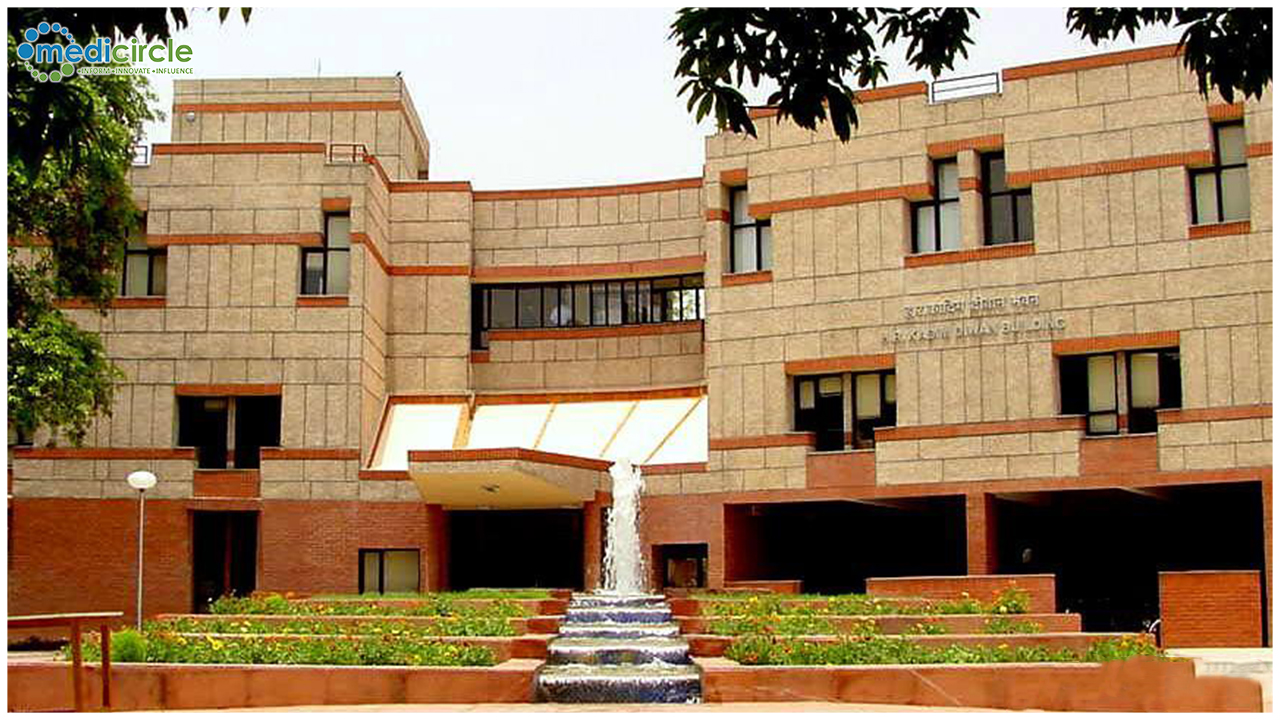
 Nocca Robotics and IIT Kanpur have created a consortium of bio-medical engineers, doctors, R&D leaders, supply chain and MedTech businesses to harness their expertise and take the design from the idea to the actual product.




Standard Chartered Bank has come forward as the first entity to support an indigenized, affordable, portable and invasive ventilator prototype being developed by IIT Kanpur and its incubated company Nocca Robotics along with the Indian Angel Network. Standard Chartered Bank has approved a generous CSR funding that will be used for research and development of the prototype, followed by testing of the device and clinical trials.
"We are extremely grateful to Standard Chartered Bank for enabling our efforts towards fighting this global pandemic through their generous funding. Given the urgency of proper and ample healthcare facilities at this time for patients of COVID-19, this fund will help us in the timely roll-out of the device swiftly and in time," said Professor Abhay Karandikar, Director, IIT Kanpur. He hopes and wishes this gesture by Standard Chartered Bank will motivate other corporates to come forward to assist IIT Kanpur in its research efforts to mitigate the impact of this global pandemic.
Karuna Bhatia, Head of Sustainability, Standard Chartered Bank, said, "As a socially responsible Bank which has been in the country for over 160 years, we decided to contribute in this common fight against COVID-19 and ensure a safe and healthy environment for our citizens and communities."
The ventilator design has been conceptualized by Nocca Robotics in such a way that it can be manufactured on a large scale at multiple sites using materials easily available with Indian suppliers and manufacturers. The ventilator is also capable of working with medical airline and oxygen as well as ambient air and oxygen, thus making it usable in a variety of different conditions.
The ventilator will also be connected to a mobile phone to control the device and monitor critical information. Since it will require very low wattage to run, it can be powered using solar panels.
It is also noteworthy that the ventilator will be priced at a fraction of the cost proposed by competitors across the world developing similar devices. Also, as opposed to the non-invasive ventilators being currently developed, this design will be of the invasive kind, keeping in mind the needs of COVID-19 patients for respiratory support.
Nocca Robotics and IIT Kanpur have created a consortium of bio-medical engineers, doctors, R&D leaders, supply chain and MedTech businesses to harness their expertise and take the design from the idea to the actual product. The entire project is being coordinated by Prof. Amitabha Bandyopadhyay, Department of Biological Sciences and Bioengineering and Professor-in-Charge, Startup Innovation & Incubation Center Indian Institute of Technology, Kanpur






.jpeg)










.jpg)
.jpg)
.jpg)
.jpg)
.jpg)
.jpg)


.jpg)