 Thursday, October 08, 2026
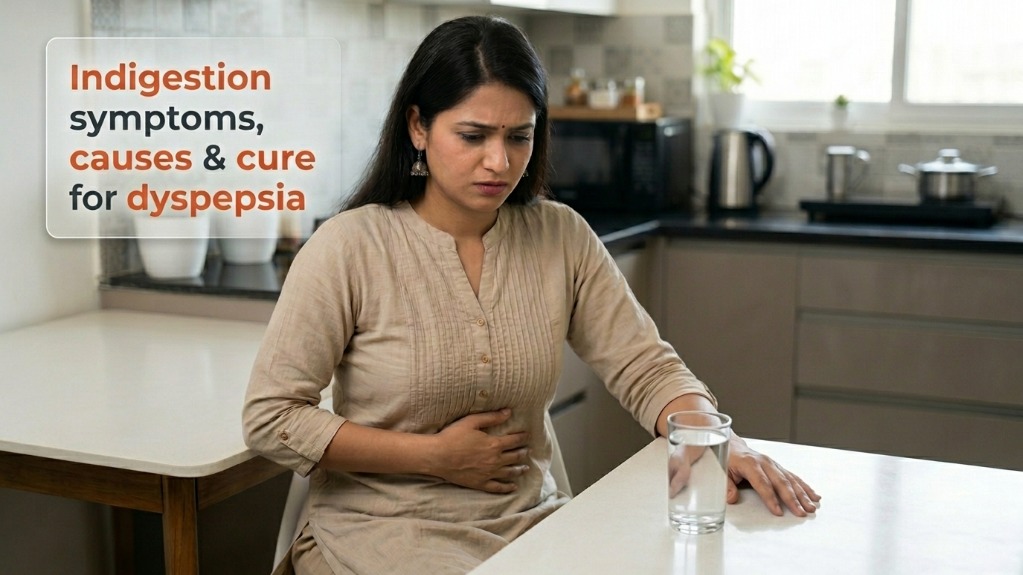
 Indigestion symptoms, causes & cure for dyspepsia highlight how lifestyle, food habits, and stress contribute to digestive discomfort. Understanding dyspepsia indigestion and applying effective indigestion remedies helps achieve long-term indigestion relief.





Indigestion is one of the most common digestive concerns people experience worldwide, yet it often goes misunderstood or ignored. Whether it is discomfort after a heavy meal or a recurring indigestion feeling that disrupts daily life, the issue goes beyond simple overeating. Many individuals across the US, UK, Canada, and Australia deal with indigestion due to fast-paced lifestyles, processed food habits, and irregular eating patterns.
This condition, often referred to as dyspepsia indigestion, can range from mild discomfort to severe indigestion that affects sleep, work, and overall well-being. People may experience symptoms like indigestion pain, indigestion nausea, or even indigestion chest discomfort, which can be confusing and concerning. Understanding the causes, symptoms, and practical ways for indigestion relief becomes essential for maintaining digestive health.
What Is Dyspepsia Indigestion and How It Affects the Body
Dyspepsia indigestion is a term used to describe discomfort or pain in the upper abdomen. It is not a disease but a group of symptoms that indicate issues in the digestive process. In many cases, it is classified as functional indigestion, where no clear medical cause is identified, yet symptoms persist.
The health affect of indigestion can vary. Some individuals experience occasional discomfort, while others deal with chronic indigestion or persistent indigestion that lasts for days or even weeks. This can impact eating habits, energy levels, and daily productivity.
Common Symptoms of Indigestion and Pain Locations
Recognizing symptoms early helps in identifying indigestion problems before they worsen. The symptoms can appear at different times and locations in the body.
Key Symptoms to Watch For- Upper abdominal discomfort and indigestion stomach pain
Many people feel a burning or heavy sensation in the upper stomach area. This indigestion pain location can vary from mild pressure to sharp discomfort, especially after eating oily or junk food. - Bloating, gas, and indigestion and bloating
A feeling of fullness even after small meals is common. This is often accompanied by indigestion and gas pain, making the stomach feel tight and uncomfortable. - Nausea, vomiting, and digestive uneasiness
Symptoms like indigestion nausea and indigestion vomiting may occur, particularly after consuming heavy or poorly cooked meals. - Chest-related discomfort and tightness
Some individuals experience indigestion in chest, indigestion tight chest, or indigestion chest discomfort, which may feel similar to heart-related issues. - Burping and acid sensation
Frequent indigestion burping and a sour taste in the mouth are also common indicators.
These symptoms may appear as indigestion after eating, indigestion after every meal, or even indigestion empty stomach, depending on individual habits.
When Indigestion Happens: Timing-Based Patterns
The timing of symptoms often provides insight into the cause of indigestion.
Some people experience indigestion in morning, especially after skipping meals or consuming tea or coffee on an empty stomach. Others face indigestion at night or nighttime indigestion, often linked to late dinners or heavy meals.
In more persistent cases, individuals report indigestion in middle of night, indigestion hours after eating, or even indigestion lasting days. These patterns indicate deeper digestive imbalance and require attention to eating habits.
Why Indigestion Happens in Modern Lifestyles
Understanding the cause of indigestion requires looking beyond just food. Daily habits, eating patterns, and lifestyle choices play a major role in triggering indigestion problems. Across regions like the US, UK, Canada, and Australia, fast-paced routines and convenience-based eating often disrupt digestion.
Impact of Oily and Processed Foods on DigestionFrequent consumption of oily meals, junk food, and heavily processed items can slow down digestion significantly. These foods increase the chances of indigestion and stomach pain, especially when eaten in large quantities or late at night. In many urban lifestyles, such eating habits have become a common reason for constant indigestion.
Irregular Eating Patterns and Their EffectsSkipping meals, eating at inconsistent times, or long gaps between meals can lead to digestive imbalance. This often results in indigestion empty stomach or discomfort after eating. Over time, such habits may lead to indigestion every day or even chronic indigestion.
Overeating and Fast Eating HabitsEating too quickly or consuming large portions puts extra pressure on the digestive system. This commonly leads to indigestion after eating and a heavy, uncomfortable feeling. In many cases, people also experience indigestion and bloating due to poor eating pace.
Food Combinations and Cooking MethodsMixing raw foods like salads with heavy, fully cooked meals or combining different cuisines without balance can create digestive stress. Whether it is Indian food, Western fast food, or fusion diets, improper combinations can lead to indigestion and gas pain.
Stress and Lifestyle-Driven Digestive IssuesStress is an often overlooked but significant cause of indigestion. High-pressure work environments and irregular sleep patterns can affect digestion, leading to persistent indigestion and discomfort that may last for days.
Types of Indigestion: Functional vs Lifestyle-Induced
Functional indigestion refers to ongoing symptoms without a clear medical cause. It is often linked to stress, eating habits, and digestive sensitivity.
Lifestyle-induced indigestion, on the other hand, is directly related to food choices and routines. Understanding the difference helps in identifying suitable indigestion remedies.
Effective Indigestion Remedies and Management
Managing indigestion does not always require complex approaches. Simple adjustments can provide effective indigestion relief.
Practical Remedies for Indigestion- Balanced eating habits improve digestion naturally
Eating smaller, frequent meals instead of large portions helps reduce pressure on the digestive system. This approach supports better digestion and reduces indigestion problems over time. - Choosing the right type of food makes a difference
Including boiled, lightly cooked, or balanced meals instead of oily and junk food supports digestion. Both veg and non-veg diets should be balanced to avoid triggering indigestion and bloating. - Maintaining proper meal timing helps prevent discomfort
Eating meals at regular intervals reduces the chances of indigestion hours after eating or indigestion for days. - Simple home-based practices support comfort
Following basic indigestion remedies such as staying hydrated and avoiding overeating helps manage symptoms effectively. - Lifestyle adjustments reduce recurring issues
Reducing stress and improving daily routines help in managing persistent indigestion.
These approaches provide a practical cure for indigestion in many cases without complexity.
Benefits of Managing Indigestion Effectively
Taking steps toward indigestion relief offers several benefits. It improves digestion, reduces discomfort, and enhances overall well-being.
People who manage their diet and habits effectively experience fewer episodes of indigestion pain and better energy levels. This also helps in maintaining a balanced lifestyle.
Challenges in Treating Indigestion
Despite its common nature, managing indigestion can be challenging. Symptoms often overlap with other conditions, making it difficult to identify the exact cause.
Additionally, modern lifestyles make it harder to maintain consistent eating habits. This leads to recurring issues such as indigestion for a week or indigestion lasting days.
Indigestion Across Different Age Groups
Indigestion affects individuals differently based on age and lifestyle.
Children may experience mild symptoms due to irregular eating habits. Teenagers often face issues due to junk food consumption. Adults deal with stress-related indigestion, while elderly individuals may experience slower digestion and prolonged discomfort.
Conclusion
Indigestion is a common yet manageable condition that affects people across different lifestyles and regions. Understanding dyspepsia indigestion, recognizing symptoms like indigestion pain, and identifying the cause of indigestion are key steps toward effective management.
Simple lifestyle changes, balanced eating habits, and practical indigestion remedies can provide lasting indigestion relief. With awareness and consistency, it is possible to reduce discomfort and improve overall digestive health.
Frequently Asked Questions (FAQs)
1. What are the most common symptoms of indigestion?The most common symptoms of indigestion include upper abdominal discomfort, bloating, and a heavy indigestion feeling after meals. Many people also experience indigestion and bloating along with mild nausea or frequent burping. These signs often fall under early dyspepsia patterns and can vary depending on eating habits and lifestyle.
2. What is dyspepsia indigestion and how is it different from normal indigestion?Dyspepsia indigestion refers to recurring digestive discomfort without a clear structural cause, often classified as functional indigestion. Unlike occasional indigestion, it may occur frequently and require consistent management and prevention tips to control symptoms effectively.
3. What are the main causes of indigestion in daily life?The common cause of indigestion includes overeating, consuming oily or junk food, and irregular meal timings. These habits affect digestion and may lead to indigestion problems over time. Managing these triggers through simple prevention and lifestyle changes helps reduce recurring discomfort.
4. Why do I experience indigestion after every meal?Experiencing indigestion after every meal may be linked to eating habits such as fast eating or heavy food intake. It can also indicate chronic indigestion, especially if symptoms continue regularly. Practicing how to manage digestion effectively at home can help reduce this pattern.
5. What does indigestion pain feel like and where is it located?Indigestion pain is usually felt in the upper abdomen, often described as burning or pressure. The indigestion pain location may also extend to the chest area, causing discomfort. This is part of the health affect of poor digestion and varies among individuals.
6. Can indigestion cause chest discomfort or tightness?Yes, indigestion in chest can cause tightness or pressure, sometimes referred to as indigestion chest discomfort. This happens when gas or acid buildup creates pressure in the upper digestive tract. Understanding these effects of dyspepsia helps in identifying the condition early.
7. How long does indigestion usually last?Indigestion may last for a few hours or extend to indigestion lasting days, depending on the cause. In some cases, people experience indigestion for a week, especially with poor dietary habits. Applying simple remedies for indigestion at home can help shorten the duration.
8. What are the best indigestion remedies at home?Effective indigestion remedies include eating smaller meals, staying hydrated, and avoiding heavy foods. Simple home remedies for indigestion focus on improving digestion naturally without complexity. These methods support better digestion and provide gradual relief.
9. What foods trigger indigestion and bloating the most?Foods like oily meals, junk food, and heavily processed items are common triggers for indigestion and gas pain. Mixing raw and cooked foods improperly can also cause indigestion and bloating. Maintaining balanced food choices helps reduce these digestive issues.
10. How can I get long-term indigestion relief naturally?Achieving long-term indigestion relief requires consistent habits such as regular meal timing and balanced food intake. Following simple tips to prevent indigestion effectively helps maintain digestive health. Over time, these practices reduce symptoms and improve overall well-being.






.jpeg)








.jpg)
.jpg)
.jpg)
.jpg)
.jpg)
.jpg)


.jpg)
.jpg)
.jpg)