 Wednesday, November 18, 2026

 The 26th DCVMN Annual General Meeting, held in Bali on 29-31 October, marks a moment for Indonesia to reaffirm leadership in global health diplomacy.





BANDUNG, INDONESIA, Oct 21, 2025 - (ACN Newswire) - Through PT Bio Farma (Persero), Indonesia has played a strategic and sustained role in the Developing Countries Vaccine Manufacturers' Network (DCVMN), working to ensure equitable access to safe, high-quality, and affordable vaccines. Since DCVMN's founding in 2000, Bio Farma has been a key driver in advancing vaccine self-reliance and public health capacity in developing countries.
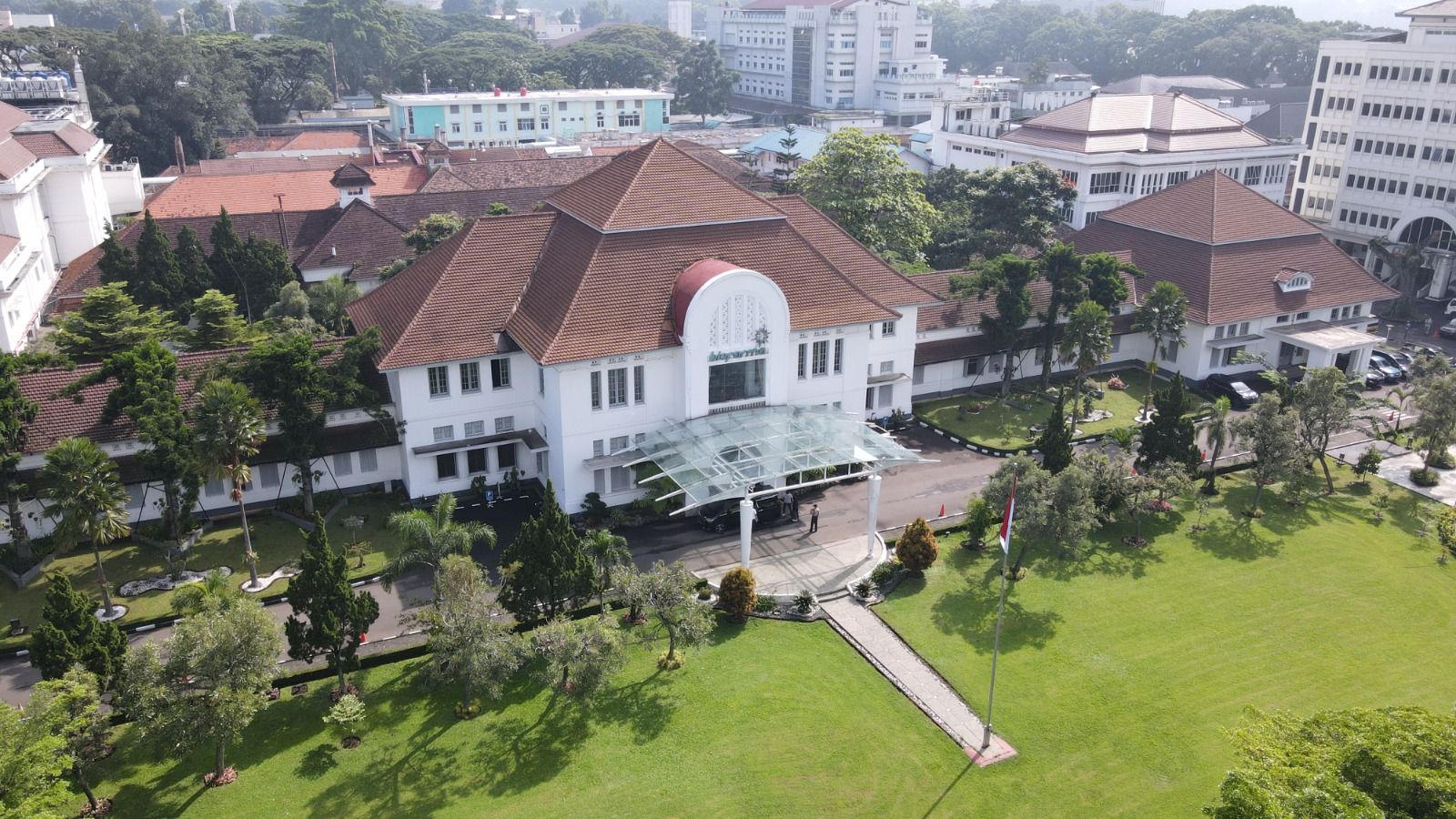
Collaboration between Bio Farma and DCVMN has been established since the inception of the network. At the first DCVMN Annual General Meeting in Noordwijk in 2000, Bio Farma was one of ten founding members dedicated to advancing vaccine collaboration. In April 2001, Bio Farma in Bandung hosted the 2nd AGM, where the network formalized the DCVMN's structure and governance. Chaired by then-President Director Thamrin Poeloengan, this meeting established Indonesia as a hub for vaccine collaboration and knowledge-sharing among developing countries.

Shadiq Akasya, current President Director of Bio Farma, stated that the company's participation in DCVMN reflects Indonesia's commitment to contributing to global health beyond national interests.
"Bio Farma's involvement in DCVMN since its establishment is not merely about representation, but about making a tangible contribution toward global vaccine self-reliance. Through collaboration and innovation, we are committed to delivering equitable and sustainable health solutions for all," said Shadiq.
"We believe that the true strength of the developing countries' vaccine industry lies in collaboration. Through our active role in DCVMN, we aim to ensure that every nation has access to safe, high-quality, and affordable vaccines, a real manifestation of Indonesia's contribution to global health security," he added.
In 2004, Bio Farma, together with other DCVMN members, played a vital role in expanding access to the pentavalent (DPT-HepB-Hib) vaccine through a technology-transfer collaboration with the Netherlands Vaccine Institute. This achievement demonstrated that Bio Farma's contributions within the DCVMN network are not symbolic but deeply technical and practical.
Global trust in Bio Farma has continued to grow. In 2012, Indonesia once again hosted the 13th DCVMN AGM in Bali. Mahendra Suhardono, one of Bio Farma's directors at the time, was elected President of the Executive Committee for the 2013 - 2014 term.
Indonesia's leadership was further recognized when Bio Farma was entrusted to serve as Chair of the Board of DCVMN for the 2023-2025 period, acting as a bridge between network members and global strategic priorities, while showcasing Indonesia's capacity to lead the vaccine industry in developing countries.
Bio Farma's commitment to innovation goes far beyond collaboration. In 2020, its nOPV2 vaccine became the first to receive an Emergency Use Listing from the World Health Organization, enabling faster deployment of vaccines during global health emergencies. This achievement reflected not only Bio Farma's scientific and technical excellence but also effective coordination and communication among multiple international stakeholders, including funders, scientists, academic researchers, policymakers, global vaccine advocates, and vaccine manufacturers. Such collaboration enabled the rapid development, approval, and rollout of nOPV2 during a critical moment for global public health.
This milestone demonstrated that a developing-country manufacturer can achieve world-class innovation, meeting the highest international standards of safety, quality, and efficacy recognized by the WHO. Beyond being a scientific breakthrough, nOPV2 represents technological self-reliance and global confidence in Indonesia's capability to contribute meaningfully to international health security. Bio Farma's success serves as an inspiration to all DCVMN members to continue strengthening their research, development, and production capacity in pursuit of achieving vaccine self-sufficiency and global health resilience across developing countries.
With a production capacity of more than 3.5 billion doses per year, Bio Farma supplies vaccines to over 150 countries and holds WHO Prequalification certification for 12 types of vaccines. As the Center of Excellence for the Organization of Islamic Cooperation (OIC) in vaccine development, production, and distribution, Bio Farma continues to strengthen Indonesia's strategic role in the global health landscape.
The upcoming 26th DCVMN Annual General Meeting, to be held in Bali on 29–31 October 2025, marks an important moment for Indonesia to reaffirm its leadership in global health diplomacy. Through this forum, Bio Farma is committed to advancing innovation, collaboration, and vaccine self-reliance worldwide, toward a more resilient and equitable global health ecosystem.





-23-300x250.png)





















