 Thursday, October 08, 2026
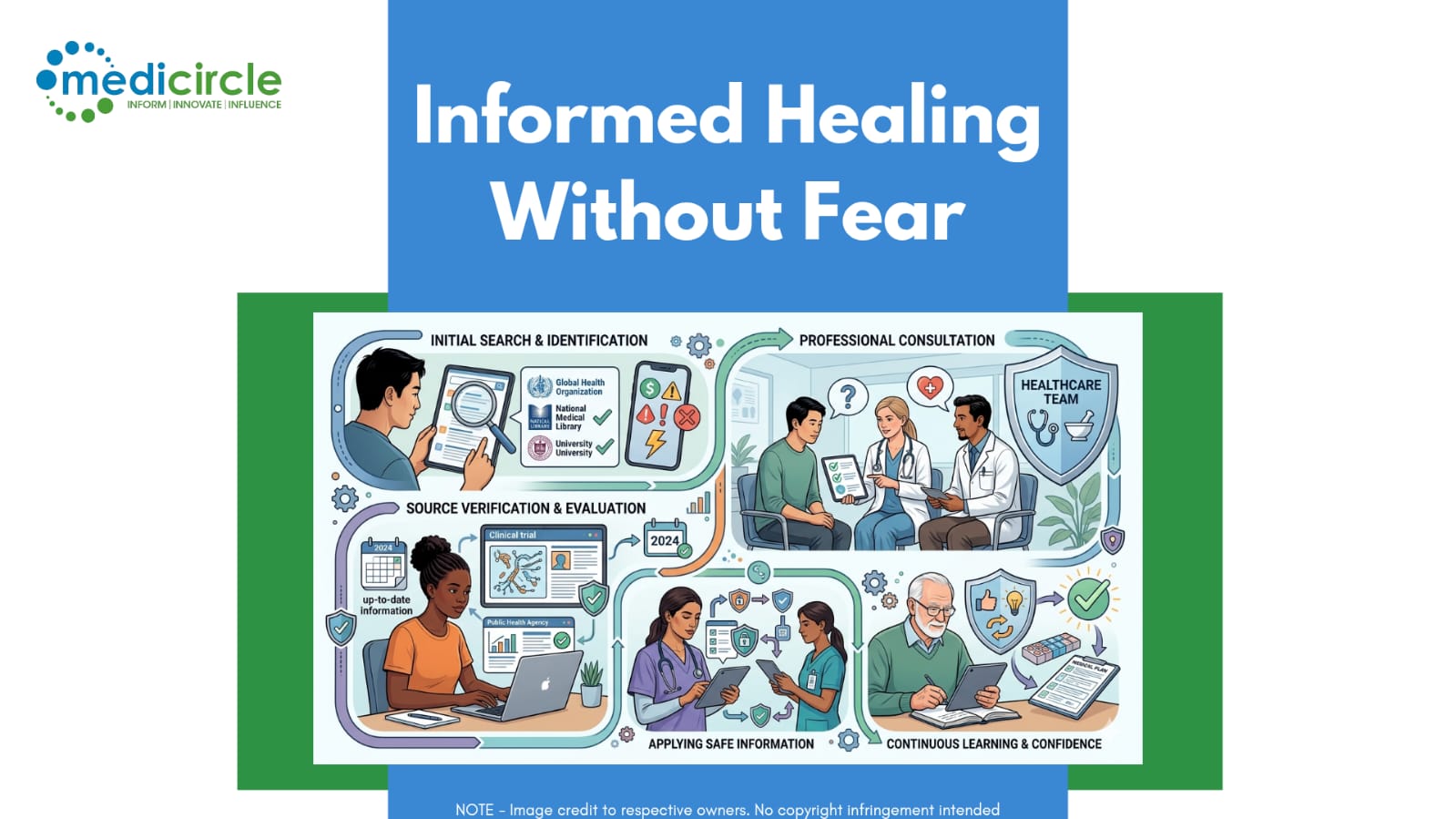
 Patients can reduce medical anxiety by focusing on factual data and expert advice. Shifting perspectives toward wellness and maintaining open communication with doctors ensures a confident and steady recovery.




Treatment Awareness without Anxiety
Access to health information is now easier than ever before. However, this vast amount of data often creates a unique challenge for patients. While being informed is helpful, the excess of online research can lead to significant fear. The path to a smooth recovery depends on finding the right facts from credible experts.
Benefits of Balanced Awareness
In India, medical decisions involve the entire family. When a physician suggests a specific plan, the primary goal is always a positive outcome. Proper awareness serves as a helpful guide for patients. It helps individuals understand why a specific medicine is necessary. It also clarifies what lifestyle changes are required for better health.
Awareness becomes a problem when it transforms into an obsession with negative scenarios. This behavior often leads to a state of stress called cyberchondria. In this state, people mistake minor symptoms for very serious diseases. To avoid this, focus on understanding your personal journey toward healing. You should replace general worry with a structured and factual plan.
Filtering Digital Information
Much of the health data on the internet does not apply to your situation. Many global portals provide information based on medical systems that do not exist in India. Reading about rare complications from other countries can cause unnecessary panic. Such fears often have no basis in your local medical reality.
Focus on Credible Data
You must look for evidence based content reviewed by medical professionals. Instead of searching for instant cures, try to learn the logic behind your treatment. If you know a medicine works slowly, you will not feel anxious about gradual progress. When your expectations match reality, the noisy distractions of the internet lose their influence.
Improving Doctor Consultations
Your physician is your strongest partner in managing health related stress. Many patients feel too shy to ask questions during a busy appointment. However, a short and focused talk is far more valuable than hours of searching online. You should prepare a list of specific concerns before entering the clinic.
Ask Important Questions
Focus your conversation on the practical aspects of your recovery. Ask how the treatment specifically helps your condition. Inquire about the common side effects that you should actually monitor. Ask what signs will prove that the treatment is working effectively. A clear explanation from a provider builds a strong foundation of trust.
Redefining Chronic Care
Managing long term conditions like hypertension can feel like a heavy burden. Over time, this focus on illness can lead to persistent mental stress. A powerful solution is to shift your perspective toward maintaining wellness. Instead of merely fighting a disease, focus on the daily actions that support your health.
Celebrate Small Victories
In chronic care, you should use awareness to recognize your progress. Keep a simple record of small achievements like better energy or stable readings. These are physical proofs that your medical plan is successful. Remember that medical science is moving forward very quickly. New developments should provide hope rather than creating more confusion.
Using Reliable Roadmaps
In Indian culture, the community often shares various medical opinions. While emotional support is great, unverified advice can be quite dangerous. Every human body is different, so what helped a relative might be wrong for you. True awareness means recognizing that your medical path is unique.
Reliable health platforms help by explaining complex terms in simple language. When you have a clear map of your journey, you feel like the leader of your recovery. This sense of control is the most effective way to stop medical anxiety. You deserve to feel confident about the care you receive every day.
Final Summary
Your health journey should not be a path filled with doubt. By choosing quality over quantity and talking to your medical team, you can take charge of your life. Let facts be your guide instead of letting fear control your decisions. Focus on what you can handle today for a much calmer tomorrow.
Common Patient Questions
How can I identify a trustworthy health website?
Check if the platform cites medical experts or scientific research. Reliable websites avoid making miracle claims and offer a balanced view of both benefits and risks.
What should I do if search results cause panic?
You should close your browser immediately and take a deep breath. Write down the specific fear and discuss it with your physician during your next visit.
Is it normal to worry about new prescriptions?
Yes, this is a very common reaction for most patients. Ask your pharmacist about the expected experience to reduce your initial hesitation about the new medicine.
Why does understanding help me recover faster?
When you know the reason for a medical order, you are more likely to stay consistent. Consistency is usually the most important factor in a successful healing process.






.jpeg)










.jpg)
.jpg)
.jpg)
.jpg)
.jpg)
.jpg)


.jpg)