Tuesday, October 27, 2026
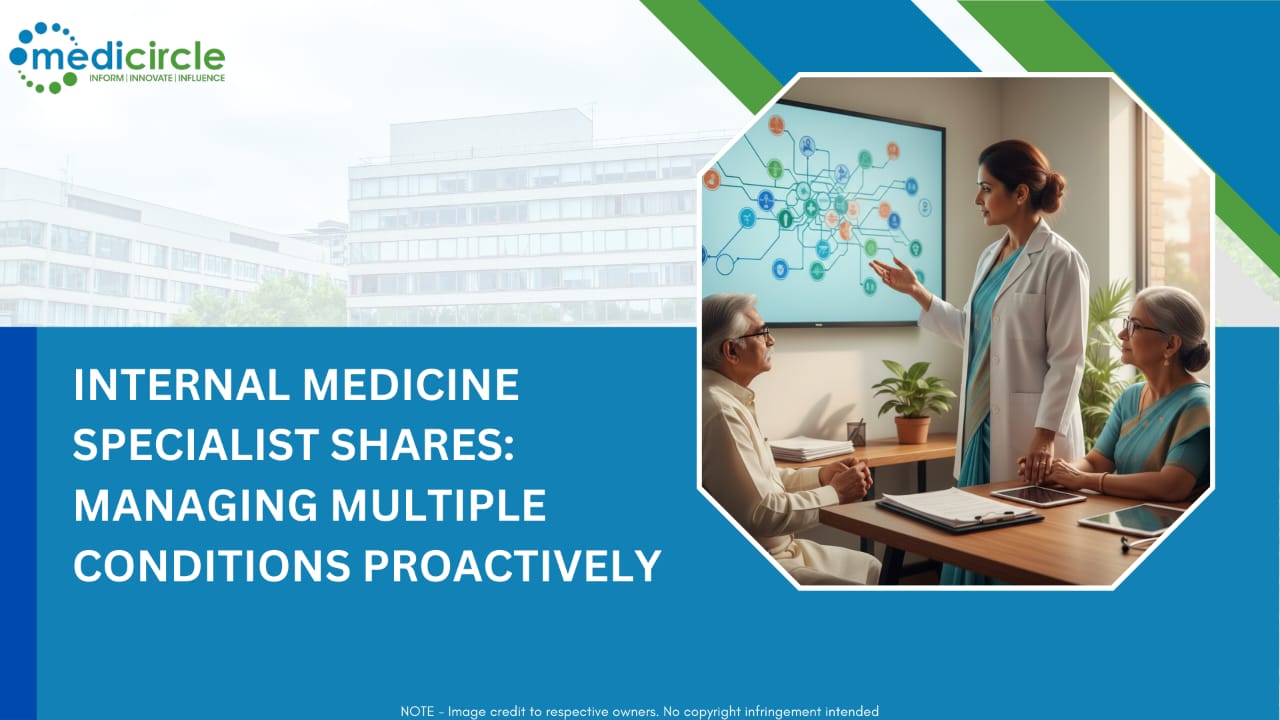
 Managing multiple chronic conditions requires coordinated care that treats the individual as a whole, emphasizing prevention, unified planning and patient empowerment to achieve long-term, stable health outcomes.




Juggling one health concern is tough. Now, think about the countless individuals visiting clinics not with one, but with a list of conditions, perhaps diabetes paired with high blood pressure or joint pain complicated by weight issues. This is not an exception; it is a common reality in many Indian households. Dealing with these conditions separately, with different prescriptions and disjointed advice, often leads to a frustrating cycle. The real need is for a strategy that sees and treats the person as a whole.
This is where the role of an internal medicine specialist becomes crucial. Think of them as the master planners of healthcare. They do not just look at individual problems in isolation. Their focus is on the connections, such as how diabetes can silently strain the kidneys or how the stress from chronic pain can affect heart health. Their expertise lies in building a unified care plan that addresses the complete picture, moving patients from merely responding to crises to actively building long-term wellness.
When conditions overlap:
Medical professionals often observe that certain conditions tend to cluster together, influencing and worsening each other. This interconnected relationship means treating one condition without considering the others is often ineffective.
For instance, poorly managed diabetes can accelerate heart disease and high blood pressure can quietly strain the kidneys. When these conditions combine, they create a challenge greater than the sum of their parts. Approaching each issue with a separate, isolated plan is like fixing a leaky roof, a cracked wall and faulty wiring in a home with three different contractors who do not communicate. The individual fixes might hold temporarily, but the underlying, connected weaknesses remain.
In the human body, a medication for one condition can impact another and the effort of managing multiple treatments can become overwhelming. This fragmented approach frequently results in confusion, an excessive number of medications and ultimately poorer health outcomes.
Shifting gears:
The shift from a reactive to a proactive mindset is the most critical step. Proactive care focuses on anticipation and prevention. It involves understanding your personal health landscape well enough to foresee potential issues and strengthen your body’s resilience.
This shift begins with unified tracking. Instead of maintaining separate records for blood sugar and blood pressure, keeping one integrated health journal can be highly effective. This practice often reveals meaningful patterns, such as noticing health values rising during stressful work periods, highlighting the close link between mental and physical well-being.
The next step is seeking connected understanding. A proactive specialist does not simply issue prescriptions. They take the time to explain how conditions interact, how medications work together and which dietary or activity choices support the overall plan. The goal is synergy, where lifestyle, treatment and monitoring function together like a coordinated team working toward stable health.
The specialist’s method:
During a proactive consultation, the process begins with a whole-person assessment. The specialist looks beyond diagnoses and considers daily routines, dietary habits, stress levels, sleep quality and personal goals. This comprehensive view is essential to create a plan that fits into real life rather than working against it.
The cornerstone of this method is seamless coordination. An internal medicine specialist often serves as the central point of care. When referrals to heart specialists, dietitians or other professionals are needed, recommendations are aligned. Medication lists are carefully reviewed to prevent overlaps or harmful interactions, ensuring a safe and streamlined regimen.
Equally important is patient empowerment. This journey is a partnership. The doctor provides expertise and guidance, but the patient remains actively involved. Understanding the reasons behind recommendations builds confidence, whether it is why a specific food is beneficial or why a certain level of physical activity is advised. Together, realistic goals are set, supporting consistent and confident self-management.
A stronger health base:
Managing multiple conditions is a long-term commitment. It requires patience, consistency and a trusting relationship with a doctor who values the individual beyond medical reports.
The central message is one of hope and control. Having multiple health conditions does not automatically mean a reduced quality of life. With a proactive and integrated approach, it is possible to prevent conditions from worsening each other. The focus shifts from fighting individual illnesses to building a strong foundation of holistic health, stability and daily well-being.
This journey toward integrated care is supported by platforms like Medicircle, which provide reliable, specialist-backed information. By connecting medical knowledge with practical understanding, such platforms empower individuals to ask informed questions and take an active role in healthcare decisions. Ultimately, proactive management is about reclaiming leadership in one’s health journey, one informed and confident step at a time.





-23-300x250.png)

.jpeg)


.jpg)
.jpg)
.jpg)
.jpg)
.jpg)
.jpg)
.jpg)
.jpg)
.jpg)