 Thursday, October 08, 2026
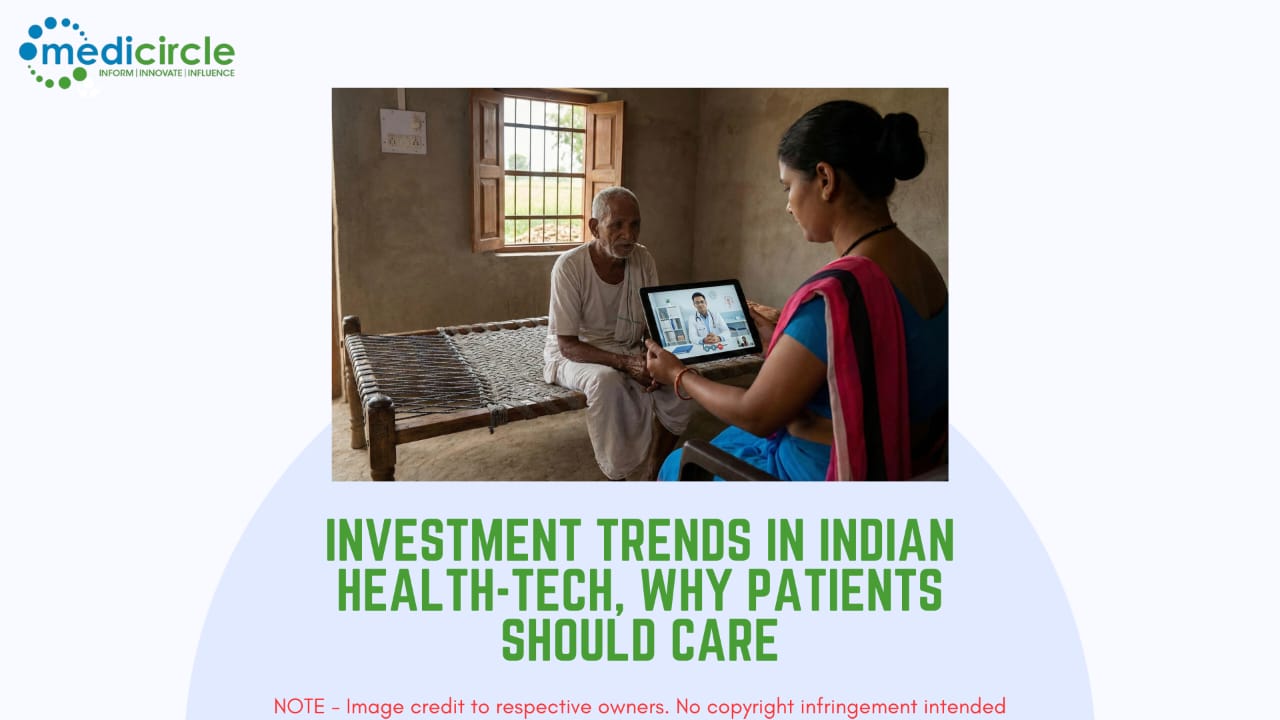
 This article explains how rising investment in Indian health-tech is reshaping accessibility, diagnostics, long term care and preventive health, ultimately improving everyday healthcare experiences for families across India.




Think about the last time you needed a doctor. For many in India today, that process no longer begins with a frantic search for a clinic or a long wait in a crowded hospital hallway. It starts with a phone. This shift is more than just convenient; it is a sign of a profound transformation, powered by significant investments flowing into Indian health-tech. While news of startup funding can feel like distant financial chatter, for the average patient, it is a story about the future of their family's well-being.
Money to medicine:
Money moving into the health-tech sector is not just sitting in a vault. It is the fuel for innovation that directly tackles the daily frustrations of Indian healthcare. This financial backing is building a new reality, one where care is increasingly within reach, efficient and built around the patient's life, not the other way around.
Imagine the strain on our system without this change. The gaps between cities and villages, between specialists and those who need them, would remain wide. This investment wave is fundamentally about raising the bar for what every Indian can and should expect from their medical care.
Your health-tech guide:
So, where is all this energy and funding actually going? Let us look at the key areas and how they touch your life.
The rise of telemedicine: This is about breaking down distance. For a family in a smaller town, it means a video call can connect them with a top specialist in a metro city, saving them the cost and stress of travel. It is healthcare that comes to you.
Smarter diagnostics: Investments here are helping doctors see more clearly. Advanced tools can analyze X-rays and scans with remarkable speed, aiding in spotting issues earlier. This means a second opinion is not just from another doctor, but from powerful technology that supports their expertise.
The E-pharmacy advantage: The simple act of getting medicines has been reinvented. Reliable home delivery ensures genuine drugs are just a click away, a blessing for the elderly or those managing chronic conditions.
Managing long term health: For someone with diabetes or heart disease, new digital tools are like having a personal health assistant. These apps help track vitals, diet and medication, turning overwhelming management into a daily, manageable routine.
A focus on staying healthy: Perhaps the most significant shift is from curing illness to preventing it. A growing focus on wellness and preventive health, through wearables and apps, empowers people to take charge before a problem starts.
Care, reimagined:
The real proof is in the experience. For millions living outside major urban centers, the arrival of telemedicine has been life altering. A patient in rural Maharashtra can now receive a follow up consultation from their doctor in Pune without losing a day's work or paying for travel. This is not a minor luxury; it is a fundamental change in accessibility.
We are also seeing the rise of a phygital model, a blend of physical and digital care. Imagine a single platform where you can have an online consultation, get a referral for a blood test at a trusted local lab and have the prescribed medicines delivered to your door. Your health records are safely stored online, creating a continuous story of your health rather than a series of disconnected visits.
India’s new health base:
This revolution is not just happening on our phone screens. Behind the scenes, major investments are flowing into upgrading hospital chains and building new medical infrastructure across the country. This is critical work, aimed at increasing the number of beds and enhancing the quality of care in areas that need it most.
The government is a crucial partner in this journey. Initiatives like the Ayushman Bharat Digital Mission are working to create a unified digital health ecosystem for the entire country. The goal of digitizing millions of health records is a monumental task, but it promises smoother, better informed care for you in the long run. This powerful combination of private innovation and public support is building a healthcare backbone that can truly serve all of India.
Powered by you:
As a patient, you are the reason this entire ecosystem is growing. The surge of investment in Indian health-tech is a powerful vote of confidence in a future where good healthcare is a standard, not a privilege. It signals a move towards a system that values prevention over last minute cures, personalization over one size fits all and gives you more control over your health decisions.
For everyone at Medicircle, keeping a pulse on these trends is not about following business news. It is about understanding the evolving relationship between patients and their health. The future is a partnership, a collaboration between you, your doctor and technology that works to empower your choices.
So, the next time you see a headline about a health-tech company's funding, see it for what it is: a step towards a future with less waiting, more accurate answers and a healthcare experience that truly respects your time and your life. This is the new face of Indian healthcare and it is being built with you in mind.






.jpeg)










.jpg)
.jpg)
.jpg)
.jpg)
.jpg)
.jpg)


.jpg)