Tuesday, October 27, 2026
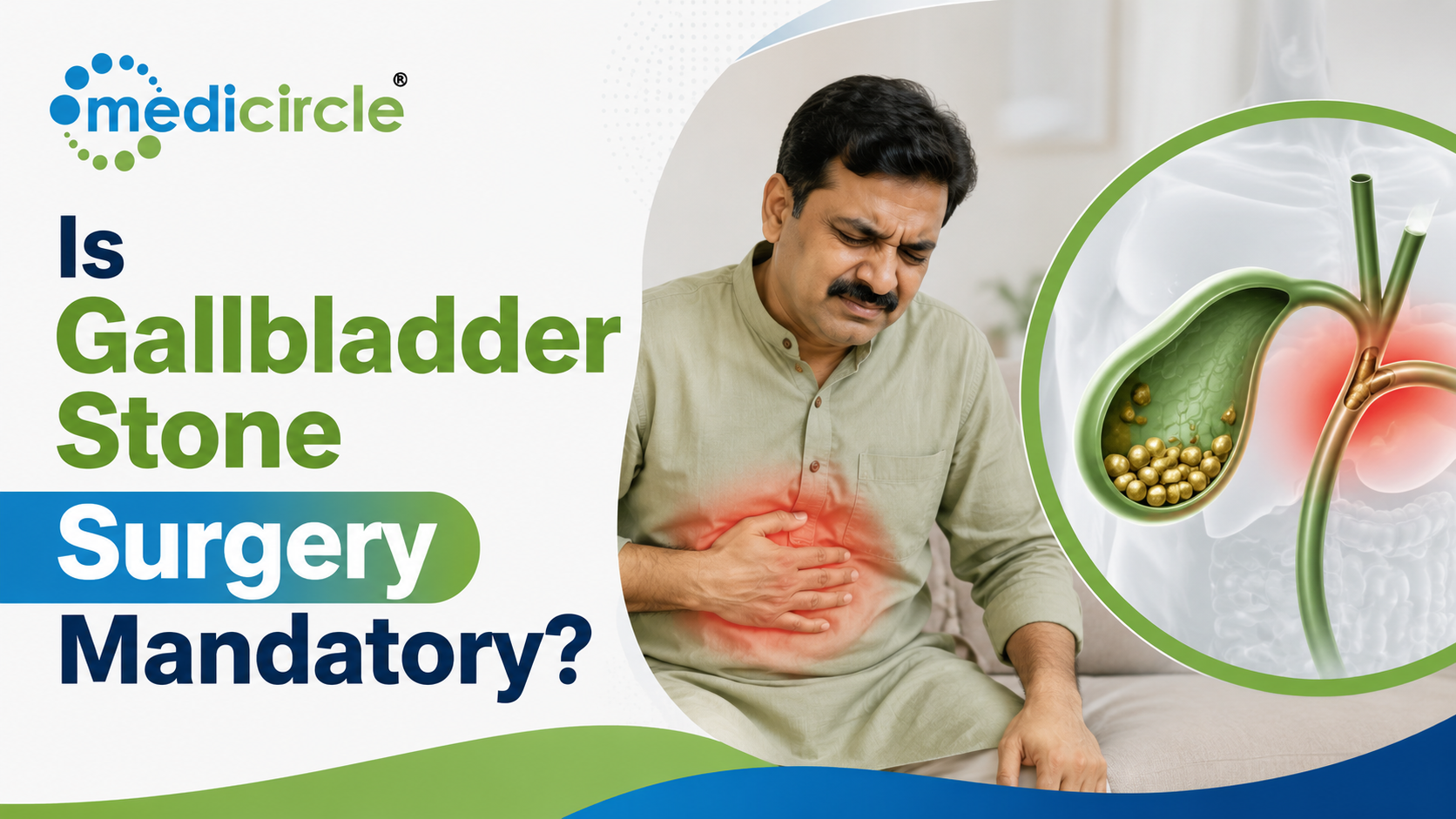
 Managing a gallstone diagnosis comes down to identifying whether your stones are resting quietly or causing active disruption. As long as they remain silent, a combination of watchful waiting is highly effective.




Is Gallbladder Stone Surgery Mandatory?
Understanding Gallbladder Stones
Tucked right beneath your liver on the upper right side of your stomach is a tiny, pear-shaped pouch known as the gallbladder. This small organ has a specific job because it collects and concentrates bile. Bile is a fluid produced by your liver to help your body digest fats smoothly.
Gallstones, often referred to as gallbladder stones, form when the chemicals in this digestive fluid get out of balance. These chemicals are mostly cholesterol and a waste product called bilirubin. Over time, these fluids can crystallize and harden into solid lumps. These deposits vary widely in size. Some people have a single stone as large as a golf ball, while others develop dozens of tiny, sand-like grains.
In India, a mix of genetic factors, rapid shifts in body weight, and modern dietary patterns rich in fried or heavy foods frequently contribute to this imbalance. When the fluid chemistry shifts, it leads to either yellow-tinted cholesterol stones or darker pigment stones. Recognizing gallbladder stone symptoms and why these stones form makes it much easier to manage your digestive health before a medical crisis arises.
Silent Versus Active Stones
Finding out you have gallbladder stones does not mean you need to schedule a surgical procedure immediately. A remarkable number of people carry these stones for decades without ever experiencing a single symptom or complication.
Silent Gallbladder Stones
If the stones just sit quietly inside the gallbladder without blocking any fluid passages, they are considered silent or asymptomatic. Most people discover them completely by chance. This often happens during a routine health check or an abdominal ultrasound for an unrelated issue. Since these silent stones are not interfering with your digestion or causing discomfort, they are generally left completely alone.
Active Gallbladder Stones
The situation changes when a stone shifts out of place and plugs up the exit tube of your gallbladder. It can also move into the deeper bile ducts. This creates a painful bottleneck, which stops fluid from draining and causes pressure to build up inside the organ. This shift triggers active gallstone disease, which is a painful warning sign that you need to consult a healthcare professional.
Important Warning Signs
Catching gallbladder issues early can save you from severe complications down the road. While some people feel only mild digestive imbalances, others face intense, sudden physical distress. High volume searches on Google Keyword Planner show that patients frequently look up these specific signs when trying to identify their discomfort.
- Biliary Attacks: This feels like a sudden, severe squeezing or aching pain in your upper right abdomen. The discomfort often spreads to your right shoulder blade or your upper back. It can last anywhere from half an hour to several continuous hours. These attacks frequently flare up after a rich, oily dinner.
- Persistent Nausea: Feeling sick to your stomach or vomiting unexpectedly, alongside abdominal discomfort, is a strong sign that your biliary system is irritated.
- Chronic Bloating: Constantly feeling uncomfortably full, gassy, or bloated after eating simple meals can indicate that your body is struggling to process fats properly due to poor bile flow.
When to Wait
If your diagnostic scans confirm the presence of gallstones but you have never experienced a painful biliary attack or major digestive issues, a watchful waiting approach is usually your best option. This simply means your doctor will monitor your health over time without scheduling any immediate treatments.
Statistics show that the annual risk of a silent gallstone suddenly turning into a painful complication is quite low, as it sits at only about one to two percent. Because the odds are heavily in your favor, rushing into a cholecystectomy, which is the medical term for gallbladder removal, is costly and rarely necessary for asymptomatic cases.
While you are in this monitoring phase, focusing on a clean, low-fat diet is highly beneficial. You should also keep your weight stable and pay close attention to how your body processes meals. If you ever start noticing actual pain, your medical team can shift your treatment plan immediately.
When to Choose Surgery
The moment gallstones transition from being a quiet, accidental finding to causing genuine pain or health setbacks, surgical intervention becomes the safest path forward. For patients researching gallbladder stone treatment, understanding this transition is vital to making an informed choice.
Once you experience that very first painful biliary episode, the chances of having another, more intense attack multiply quickly. Waiting it out indefinitely after your body has started throwing red flags only opens the door to severe gallbladder swelling, tissue damage, or deep infections. These problems make future treatments far more difficult.
Serious Gallbladder Complications
Ignoring clear warning signs can cause a gallbladder issue to rapidly spiral into a severe, systemic medical emergency. The following conditions require immediate hospital evaluation and prompt surgical care.
Acute Cholecystitis
When a stone stays tightly wedged in the main exit duct of the gallbladder, trapped bile can trigger an intense inflammatory response. This often leads to a localized bacterial infection, which causes unrelenting, severe pain accompanied by a high fever, sweating, and chills.
Jaundice Complications
If a stone escapes the gallbladder and gets stuck in the common bile duct, it halts the flow of bile from both the liver and gallbladder into your intestines. This causes a backup of bile pigments into your bloodstream, which results in jaundice. You will notice this through a yellowing of your eyes and skin, unusually dark urine, and pale, clay colored stools.
Gallstone Pancreatitis
A stone that blocks the shared pathway near the intestines can accidentally plug the pancreatic duct as well. This traps harsh digestive juices inside your pancreas, which causes severe, painful inflammation. This is a critical medical emergency that requires immediate, specialized hospital care.
Modern Surgical Methods
If your doctor recommends removing your gallbladder, there is no need to worry about how your body will digest food. The liver produces bile continuously. Therefore, removing the storage pouch simply means the fluid will flow directly into your digestive tract to keep breaking down your meals.
|
Feature |
Laparoscopic Cholecystectomy |
|
Surgical Method |
Tiny keyhole incisions |
|
Typical Recovery Time |
1 to 2 weeks |
|
Post-Op Discomfort |
Generally mild and manageable |
|
Length of Hospital Stay |
Same-day discharge or 1 night |
The gold standard for this procedure across India is a gallbladder stone surgery performed laparoscopically, medically known as a cholecystectomy. Instead of creating a large, traditional open wound across your stomach, surgeons use three or four tiny, keyhole-sized entry points. A micro camera and precise instruments are utilized to gently separate and extract the diseased organ. This modern technique ensures significantly less scarring, less postoperative pain, and a much faster transition back to your normal routine.
Common Patient Questions
Can alternative therapies or pills dissolve existing gallstones?
While specialized medical prescriptions can occasionally dissolve very small cholesterol-based stones, they are rarely practical. The process takes years, and it rarely works for larger or calcified stones. The moment you stop taking the medicine, the stones typically form all over again. Dietary changes can manage your symptoms, but they cannot melt away stones that are already there.
Will my quality of life change after losing my gallbladder?
You can look forward to a perfectly normal, high-quality life without it. Because your liver is the actual factory that makes bile, your digestive system will adapt quickly. It delivers the fluid directly to your intestines so you can process food without any long-term issues.
What are the specific dangers of ignoring symptomatic stones?
Leaving painful gallstones untreated can lead to severe health crises. Over time, a neglected, blocked gallbladder can develop gangrene or tear open inside the abdomen. It can also trigger severe acute pancreatitis. All of these conditions require complex, emergency open surgeries rather than simple, planned keyhole procedures.
Conclusion
Managing a gallstone diagnosis comes down to identifying whether your stones are resting quietly or causing active disruption. As long as they remain silent, a combination of watchful waiting and mindful lifestyle choices is highly effective. However, if pain or unexpected complications surface, postponing care can be risky. Partnering with a trusted healthcare professional and relying on clear, verified medical insights will help you make the safest choice for your long-term digestive health and peace of mind.





-23-300x250.png)

.jpeg)






.jpg)
.jpg)
.jpg)
.jpg)
.jpg)
.jpg)
.jpg)
.jpg)
.jpg)