Sunday, November 01, 2026
 First in Thane and among the few in Mumbai to adopt next-gen excimer laser atherectomy for limb salvage.





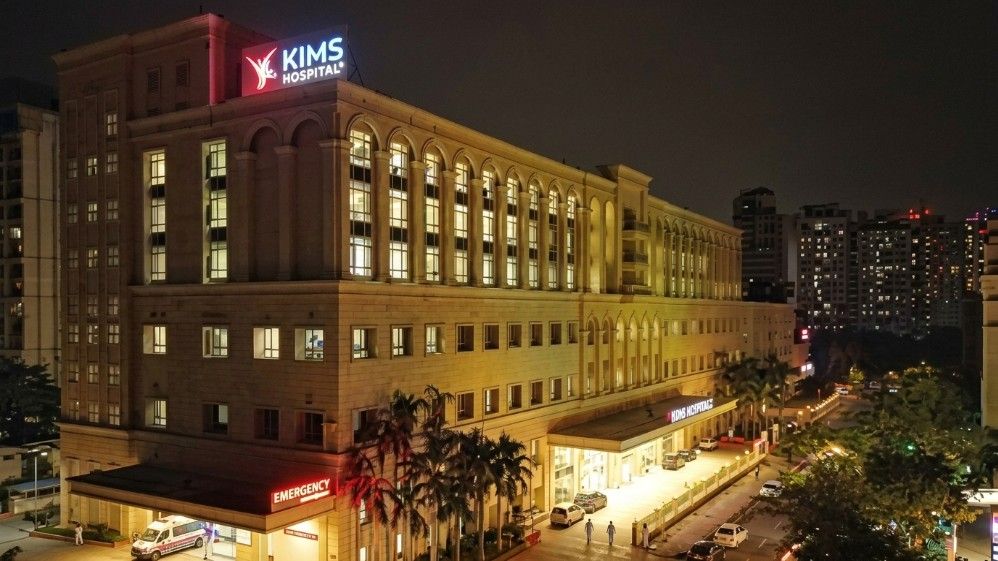
Thane, April 2026: KIMS Hospitals, Thane, has successfully treated a complex case of Peripheral Artery Disease (PAD) in an elderly patient using advanced excimer laser atherectomy technology, marking a significant step in minimally invasive vascular care.
An 88-year-old female patient, a known case of diabetes, hypertension, and prior stroke, presented with severe rest pain and gangrene in her toe. Imaging revealed a blockage in a major artery of the leg. She underwent a minimally invasive endovascular procedure using the Philips Excimer 300 laser system along with a specialized laser atherectomy catheter, which helped clear the arterial blockage and restore blood flow. The patient experienced significant relief and was discharged the next day, walking comfortably.
This advanced system uses a cool, ultraviolet (308 nm) laser to precisely break down plaque inside blood vessels, including complex and long-standing blockages, without damaging surrounding healthy tissue. It is particularly effective in treating chronic total occlusions (CTOs)—arteries that are completely blocked and difficult to treat with conventional methods.
In conventional angioplasty and stenting, blocked arteries are widened and supported with stents to maintain blood flow. However, in complex or long-standing blockages, the durability of these results may be limited. To address this, several mechanical atherectomy techniques—such as directional, orbital, and rotational devices—have been introduced to physically remove plaque. While effective, these methods can increase procedural complexity and carry risks such as distal embolization (dislodgement of plaque particles) and vessel injury.
Excimer laser atherectomy offers a more advanced approach. It works by using ultraviolet laser energy to precisely vaporise soft plaque, while also disrupting calcium deposits at a molecular level. This allows for controlled and targeted removal of blockages without damaging surrounding tissue. One of its key advantages is a significantly lower risk of distal embolization or vessel dissection, making the procedure safer, more efficient, and particularly beneficial in high-risk and elderly patients.
One of the key advantages of this technology is its customisable energy delivery, allowing doctors to adjust laser settings based on the type and severity of the blockage. The system also enables high precision and controlled plaque removal, reducing procedural complexity and improving outcomes.
Globally, excimer laser technology has been used in over 600,000 procedures and is considered reliable for treating complex vascular conditions, especially in high-risk and elderly patients.
Dr. Ritesh Gaikwad, Consultant Vascular Surgeon, KIMS Hospitals Thane, said,
"The excimer laser technology gives us a significant advantage in treating complex and completely blocked arteries. Its precision allows us to remove blockages layer by layer, improving success rates even in high-risk and elderly patients. The chances of distal embolization and dissections are minimal."
Dr. Vinit Paliwal, Consultant Vascular Surgeon, KIMS Hospitals Thane, added,
"With advanced laser systems, we can now address challenging vascular conditions with minimal invasion. The ability to customise energy delivery based on the lesion makes the treatment both safer and more effective, ultimately helping us achieve better limb salvage outcomes."
Laser atherectomy is emerging as a preferred option for patients who may not be ideal candidates for open surgery, offering shorter hospital stays, faster recovery, and reduced procedural risks.
The successful use of this cutting-edge technology positions KIMS Hospitals, Thane, among the leading centres adopting advanced endovascular innovations for improved patient care.





-23-300x250.png)