 Thursday, October 08, 2026
 Aggressive commercialization and bundled packages shift the focus
of patients away from medical excellence. Many clinics operate on high-volume, assembly-line models.
Aggressive commercialization and bundled packages shift the focus
of patients away from medical excellence. Many clinics operate on high-volume, assembly-line models.




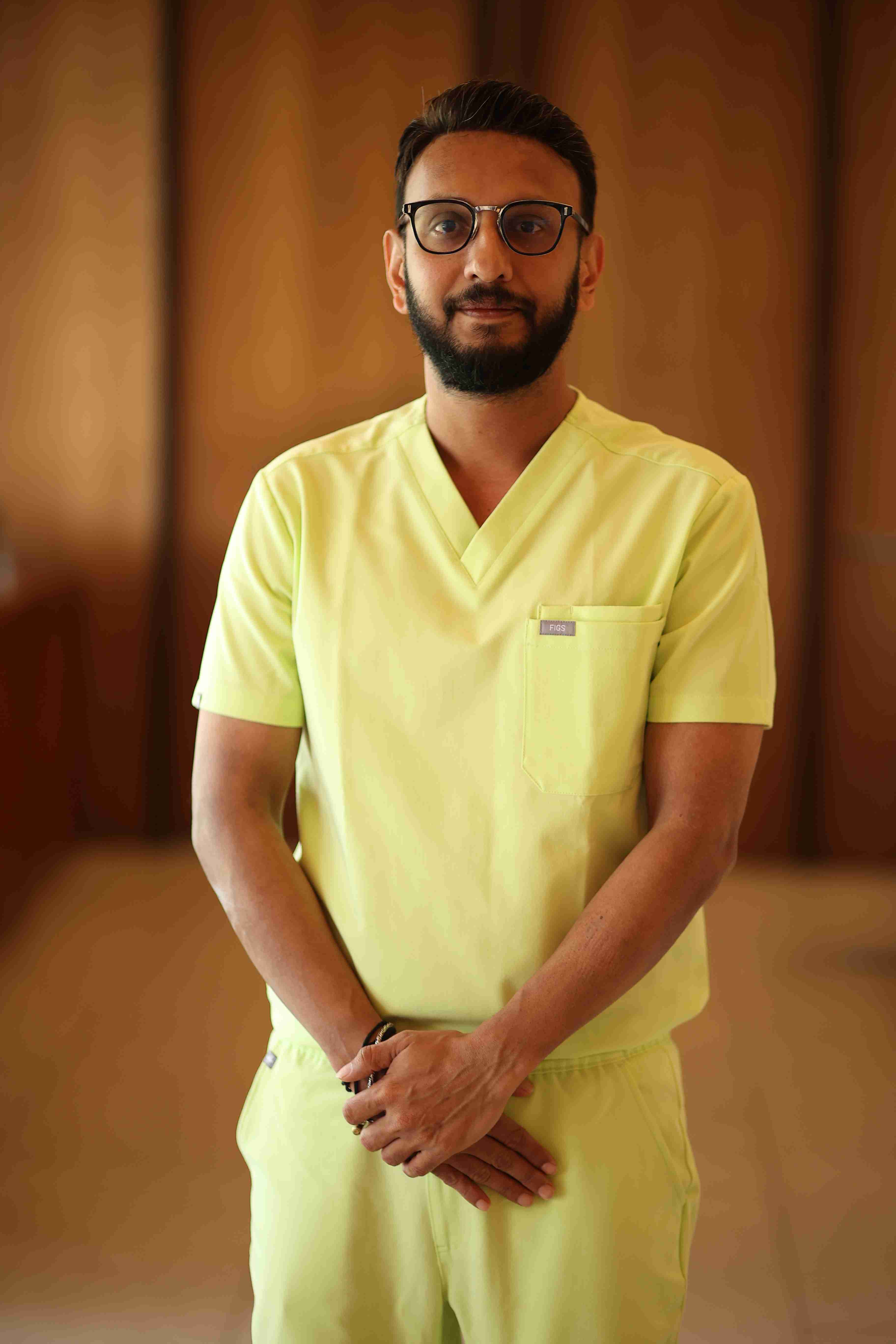
MUMBAI / January 19, 2025: An increasing number of Indian patients travelling abroad for hair transplant procedures, particularly to destinations like Turkey, are returning with poor outcomes, compromised donor areas (the back of the scalp, from where follicles are taken during a transplant), and the need for complex corrective surgeries, Dr. Abhishek Pilani, Founder and Chief Surgeon at Assure Clinics and a renowned hair restoration expert.
Dr. Abhishek Pilani touched upon the Turkey angle in an episode of the Beer Biceps Podcast by YouTuber Ranveer Allahbadia. The dermatologist, who is associated with over 20,000 successful hair transplants under his supervision in India and Dubai, noted that Turkey’s rise as a medical tourism destination has been driven by aggressive commercialisation. Patients are offered bundled packages that include surgery, travel, accommodation, and sightseeing, making the experience appear convenient and affordable.
“However, this model shifts focus away from the most critical element which is the quality and precision of the surgical procedure itself. Many clinics operate on high-volume, assembly-line models, where multiple patients are treated simultaneously and large parts of the procedure are delegated to technicians rather than being performed entirely by qualified doctors,” he said. “Patient safety can be compromised, results can be unnatural or uneven, and the long-term viability of the transplant is often poor. We are ultimately risking the very purpose of a hair transplant. A patient wants a permanent, natural-looking solution, not a vacation package.”
The doctor said that one of the most common issues seen at Assure Clinics, particularly after the launch of its Dubai centre, has been the growing number of corrective cases. “Patients often present with failed transplants characterised by patchy growth, incorrect angulation, visible gaps, and extensive scarring. In many such cases, the donor area has already been over-harvested or damaged, leaving limited options for repair. A poorly executed transplant can look worse than natural baldness because the irregular growth patterns are immediately noticeable and difficult to conceal,” he added.
A key concern highlighted by Dr. Abhishek Pilani is that in many overseas hair transplant centres, large portions of the procedure are often carried out by nursing staff or technicians rather than being performed entirely by qualified doctors, with clinics operating on high-volume, factory-style models focused on volume rather than individualised surgical care.
“Hair implantation is a painstaking, time-consuming process that demands precision and consistency, particularly in maintaining natural angles and density. Implantation is tedious, labour-intensive work, but it is the most important part of the surgery. For around 3,000 follicles, close to nine to ten hours is the ideal duration of the transplant process,” he said.
Another major drawback of overseas hair transplant tourism is the lack of continuity of care, according to the doctor. “Many patients are offered one-day procedures that address only the frontal area, with no comprehensive plan for the crown or overall scalp coverage. If further work is required, patients are asked to travel again, incurring additional airfare, accommodation, and medication costs. What initially appears economical, often turns out to be significantly more expensive in the long run. Patients frequently underestimate these hidden costs and the practical difficulty of travelling repeatedly for follow-ups or corrective work,” Dr. Abhishek Pilani said.
Patients must be cautious about clinics where surgeons merely supervise while technicians perform most of the procedure, he cautioned. “A hair transplant is not a mechanical process. Angulation, depth, and direction vary across the scalp and require the trained eye and hand of an experienced doctor from start to finish. Clinics treating multiple patients simultaneously are unlikely to provide the level of individual attention required for a natural and lasting result. A well-planned, doctor-led procedure can give results that last a lifetime. A rushed, commercialised approach can leave patients spending years trying to undo the damage,” Dr. Abhishek Pilani said.
While Turkey has emerged as a global hub for hair transplant tourism due to its geographical accessibility and attractive all-inclusive packages, popularity does not necessarily translate into superior medical quality or patient safety. “The warning is not against Turkey as a country, but against a system that prioritises volume and marketing over medical ethics and surgical excellence. Patients should conduct thorough research, understand who will actually perform their surgery, and prioritise safety, sustainability, and long-term outcomes over quick fixes or attractive travel packages,” Dr. Abhishek Pilani said.






.jpeg)










.jpg)
.jpg)
.jpg)
.jpg)
.jpg)
.jpg)


.jpg)