 Saturday, November 21, 2026
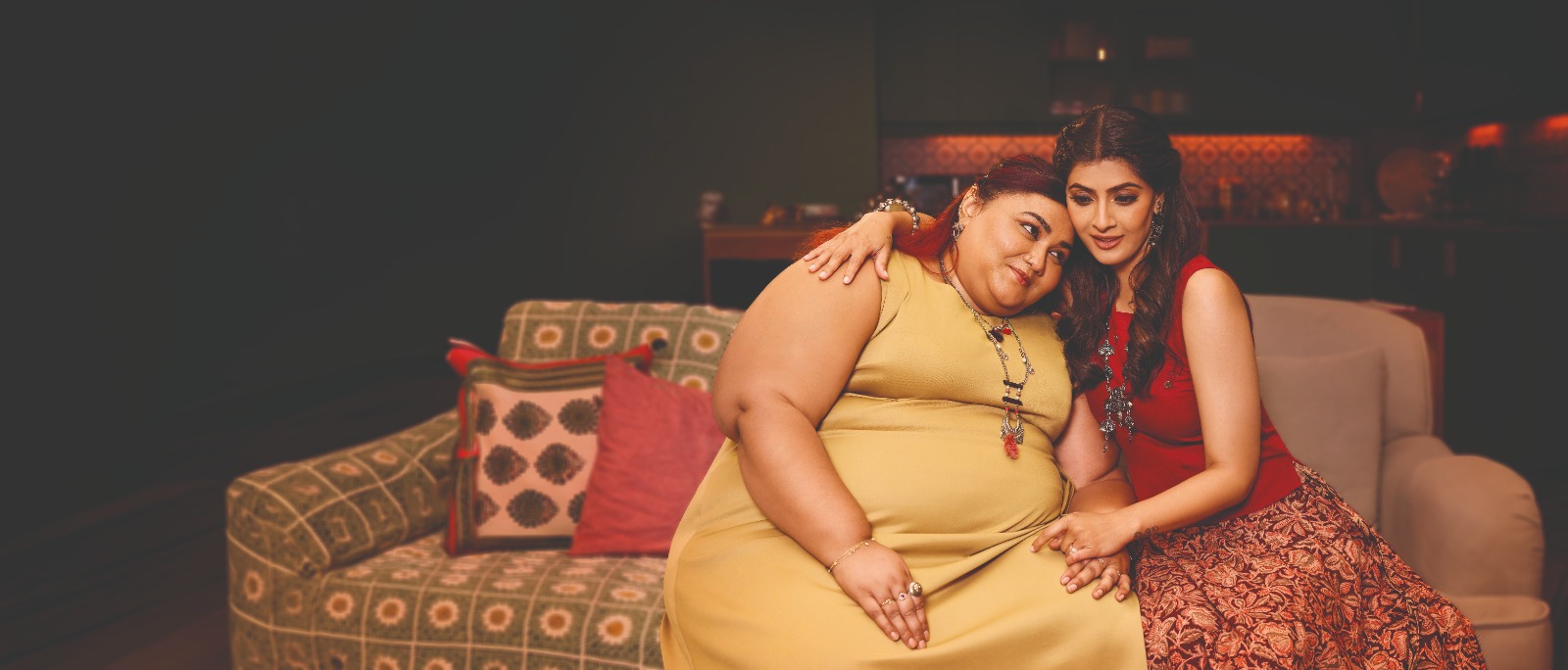
 Campaign blends lived experiences with science led perspectives to challenge obesity stigma and emphasise the importance of guidance from doctors.





New Delhi, 26th February 2026: Eli Lilly and Company (India) today announced the next phase of its integrated obesity awareness initiative with a new campaign aimed at reshaping how obesity is perceived and discussed in India. The campaign, led by prominent Indian personalities, blends real-life experiences with science-led perspectives to encourage a shift in conversation from judgment and appearance towards science and empathy, reinforcing the importance of consulting a doctor as part of a comprehensive obesity care pathway. As part of the campaign, three films have been developed: the first featuring Boman Irani and Kayoze Irani; the second with Ratna Pathak Shah and Supriya Pathak; and the third featuring Varalaxmi Sarathkumar.
Obesity in India is often reduced to a question of willpower and lifestyle alone. This campaign challenges that perception by underscoring a science-based reality; as recognized by the World Health Organization (WHO), obesity is a chronic, complex disease influenced by biological, genetic, environmental, and metabolic factors. Drawing on relatable family and social contexts, the campaign reflects the experiences of individuals who frequently face judgment and self-blame, reframing these moments with empathy and scientific understanding. Within the campaign films these prominent personalities highlight the important supportive role friends and family can have in showing empathy, encouragement, and understanding, that can make visiting a doctor feel empowering rather than shameful. At the same time, the campaign affirms obesity as a medical condition, placing doctors at the centre of diagnosis and evidence-based care to encourage informed decision making and foster a more compassionate public narrative.
“Obesity has long been misunderstood in India, frequently framed as a matter of personal choice rather than acknowledged as a complex medical condition,” said Gaurav Mehta, Senior Director, Marketing and Strategic Capabilities, Eli Lilly and Company (India). “Through this next phase of our campaign, we aim to reframe the conversation by combining scientific insight with relatable, real-life narratives that reflect the lived experience of people living with obesity. Our focus is to move the dialogue from blame to understanding, reduce stigma, and empower individuals to seek appropriate, evidence-based care in consultation with qualified doctors who play a central role across the treatment journey.”
Links to campaign films:
- Supriya & Ratna Pathak partner with Lilly to spread Obesity Awareness | Hindi | 45 Sec
- Boman Irani partners with Lilly to spread Obesity Awareness | Hindi | 45 Sec
- Varalaxmi partners with Lilly to spread Obesity Awareness | Tamil | 45 Sec
Obesity affects nearly 100 million individuals in India. With an adult obesity prevalence of approximately 6.5 percent in 2023, it is time to shift focus from blame and establish a new paradigm for comprehensive care along with lifestyle modification that people living with obesity deserve.1
To learn more about obesity, visit Obesity Disease & Weight Loss Health Education | Lilly India
The campaign is intended for disease awareness and education purposes only and does not promote any specific product, treatment, or therapy. Individuals are encouraged to consult qualified healthcare professionals for medical advice.





-23-300x250.png)




















