Tuesday, October 06, 2026
.jpg)
 In a significant advancement for joint replacement surgery, Manipal Hospital Gurugram has successfully performed Haryana’s first Robot-Assisted Ceramic Total Knee Replacement on a 54-year-old woman suffering from advanced osteoarthritis, obesity, and complications arising from a previous anterior cruciate ligament (ACL) and meniscal injury due to a fall.




Gurugram, 2nd June 2026: In a significant advancement for joint replacement surgery, Manipal Hospital Gurugram has successfully performed Haryana’s first Robot-Assisted Ceramic Total Knee Replacement on a 54-year-old woman suffering from advanced osteoarthritis, obesity, and complications arising from a previous anterior cruciate ligament (ACL) and meniscal injury due to a fall.
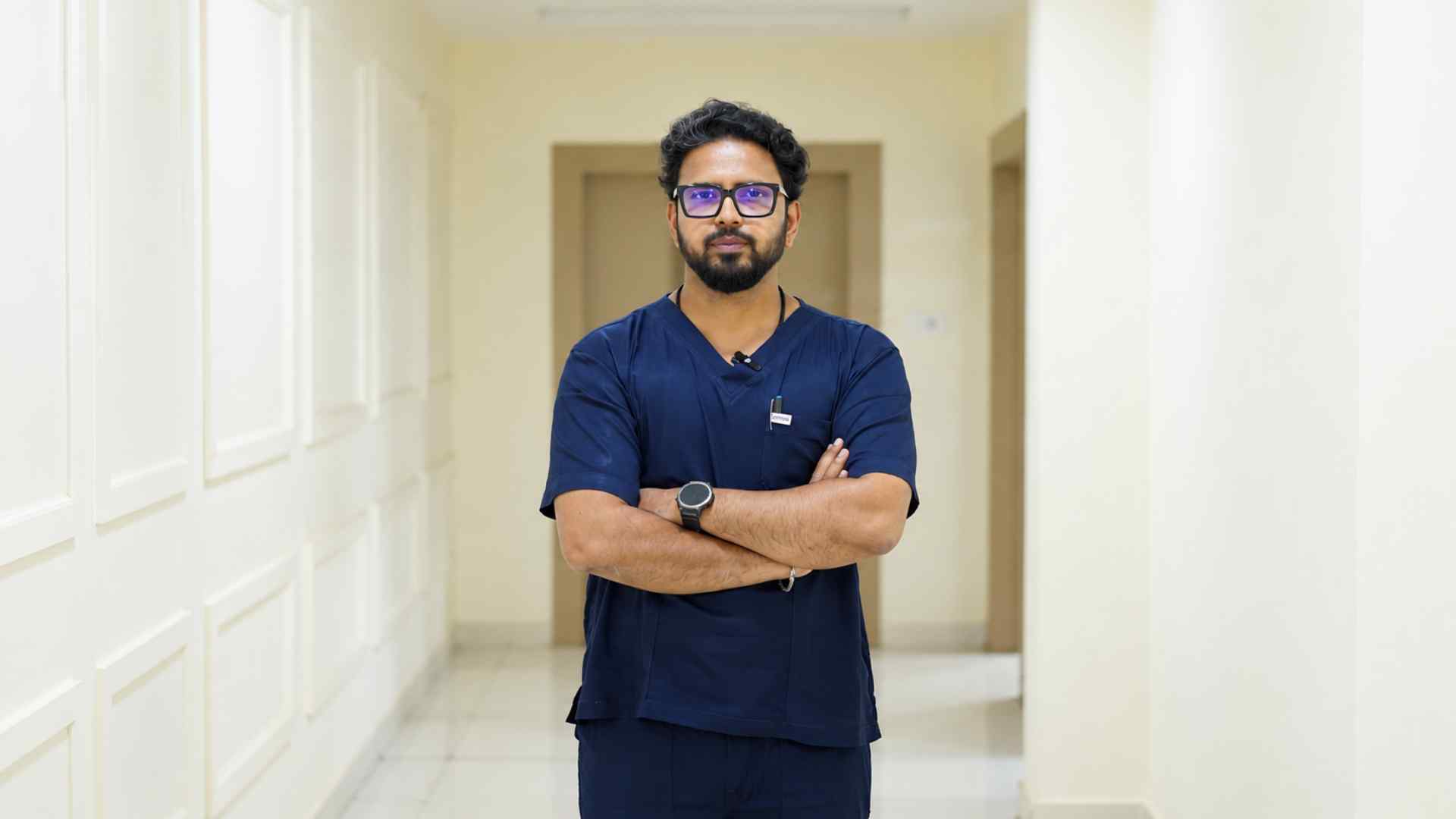
Over time, the injury altered the natural mechanics of the knee, accelerating cartilage wear and leading to advanced osteoarthritis. The situation was further complicated by obesity, which placed additional stress on the damaged joint, making movement increasingly painful and significantly impacting her overall well-being. Given her condition, the team led by Dr. Sanjay Kapoor, Consultant - Robotic Joint Replacement & Orthopaedic Surgery, opted for a next-generation ceramic knee implant combined with robot-assisted surgery to achieve the highest possible precision and longevity.
Speaking about the case, Dr. Sanjay Kapoor, Consultant - Robotic Joint Replacement & Orthopaedic Surgery, Manipal Hospital Gurugram, said, “This was a particularly challenging case because the patient was relatively young, obese, and had a previous ACL and meniscal injury. Our aim was not only to help her walk pain-free again but also to provide a solution that could support her lifestyle and remain reliable for decades. Robot-assisted surgery helped us to achieve exceptional precision in implant positioning and soft tissue balancing, while the ceramic implant offered a highly durable and wear-resistant solution. Together, these factors helped us deliver a highly personalised treatment approach for the patient to improve her quality of life."
Robotic Ceramic Total Knee Replacement represents the next generation of joint replacement, combining sub-millimetre robotic precision with advanced ceramic implant technology. The approach offers improved alignment accuracy, faster rehabilitation, reduced inflammation, and enhanced patient comfort, while eliminating concerns related to metal ion release. With superior wear resistance and an expected longevity of more than three decades, ceramic implants provide a durable, future-ready solution for patients requiring knee replacement surgery.
Mr. Navin Pascal, Hospital Director, Manipal Hospital Gurugram, said, "The true value of medical innovation lies in its ability to help people return to the lives they want to lead. At Manipal Hospitals, we are committed to bring globally advanced technologies and clinical expertise closer to patients. The successful completion of this Robot-Assisted Ceramic Total Knee Replacement reflects this commitment and makes an important step forward in the evolution of orthopaedic care in the region. By combining robotic precision with next-generation implant technology, we can offer personalised treatment solutions that address immediate clinical needs and support long-term mobility and well-being of the patients."
Following the surgery, the patient has recovered well and has started her rehabilitation journey. Doctors are expecting significant improvement in mobility, comfort and overall function, enabling her to return to everyday activities with greater confidence and independence.






.jpeg)
.jpg)
.jpg)
.jpg)
.jpg)
.jpg)
.jpg)


.jpg)
.jpg)
.jpg)
.jpg)
.jpg)
.jpg)