Friday, October 23, 2026
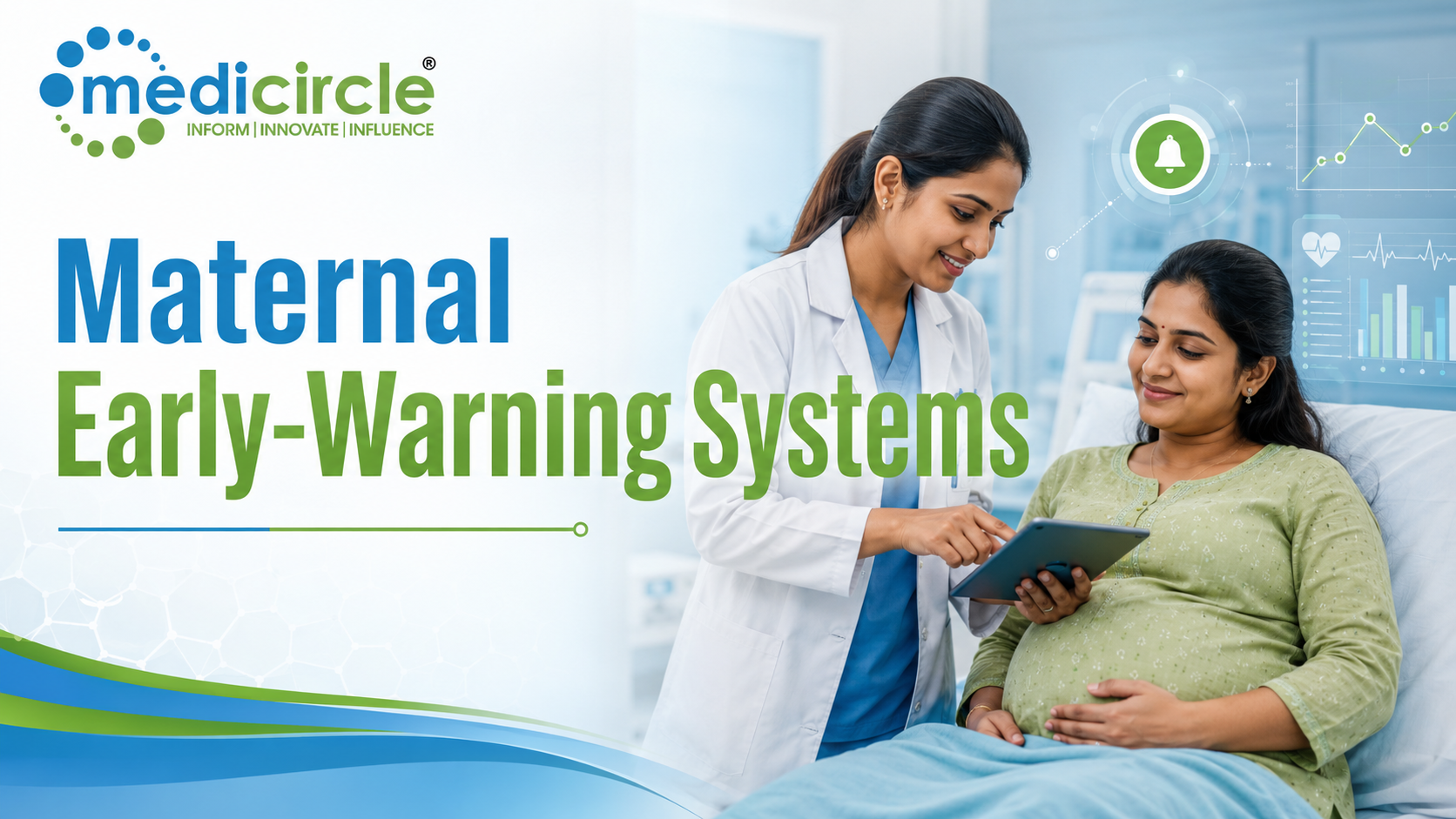
 Maternal early-warning systems use real-time data and artificial intelligence to detect obstetric complications earlier, offering India a proven pathway to significantly reduce preventable maternal deaths.





Introduction
Every day, women across India face serious risks during pregnancy and childbirth. According to data from the Ministry of Health and Family Welfare, India accounts for a significant proportion of global maternal deaths, with hemorrhage, hypertensive disorders, and sepsis among the leading causes. What makes many of these deaths particularly devastating is that they are preventable when complications are identified early enough for medical teams to respond.
Maternal early-warning systems represent one of the most meaningful advances in obstetric care in recent years. These systems use structured clinical data, real-time monitoring, and increasingly, artificial intelligence to identify warning signs hours before a woman's condition deteriorates into a critical emergency. For a country where maternal mortality remains a pressing public health challenge, understanding and expanding the use of these systems is not a technical conversation reserved for specialists. It is a conversation that matters for every hospital, every midwife, every obstetrician, and every family.
Understanding Maternal Early-Warning Systems
A maternal early-warning system, often abbreviated as MEWS in clinical settings, is a structured protocol that tracks a set of vital physiological parameters in pregnant and postpartum women. Unlike general early-warning tools used across hospital wards, maternal-specific systems are calibrated to account for the unique physiological changes pregnancy brings, including altered blood pressure baselines, increased cardiac output, and shifts in respiratory rate.
The core idea is straightforward. By monitoring parameters such as:
- Heart rate
- Respiratory rate
- Blood pressure
- Oxygen saturation
- Temperature
- Urine output
- Level of consciousness
Clinical teams receive a composite picture of how a woman's body is functioning at any given moment. When values drift outside defined safe ranges, the system generates a trigger score or alert. This prompts clinical review before the situation becomes an emergency.
The power of these systems lies in their ability to detect subtle, gradual deterioration. In obstetric emergencies, the window between early warning signs and life-threatening collapse can be narrow. Structured monitoring closes that window.
Why Early Detection Matters: The Indian Context
India has made considerable progress in reducing maternal mortality over the past two decades. The Maternal Mortality Ratio fell from 254 per 100,000 live births in 2004 to 97 per 100,000 live births in the 2018 to 2020 Sample Registration System report. However, significant disparities persist between states. Uttar Pradesh, Rajasthan, Madhya Pradesh, Assam, and Odisha continue to report higher maternal mortality ratios compared to states like Kerala and Tamil Nadu.
Several systemic factors contribute to this gap, including delayed recognition of deterioration, delayed decision-making, and delayed access to appropriate care. Maternal early-warning systems directly address the first of these three delays by ensuring that clinical deterioration is recognized quickly and reliably, regardless of which nurse or doctor happens to be on duty.
Government programs such as LaQshya, which aims to improve the quality of care in labor rooms and maternity operation theatres, have brought structured monitoring protocols closer to national implementation. Facilities accredited under the National Accreditation Board for Hospitals and Healthcare Providers (NABH) are increasingly expected to demonstrate that standardized maternal monitoring is in place.
How Data Powers Early Warning
The generation of meaningful early-warning signals depends entirely on the quality, completeness, and timeliness of the data collected. Traditional maternal monitoring relied heavily on manual recording at fixed intervals, typically every four to six hours. This approach creates blind spots. A woman's condition can change significantly between two manual recordings, and by the time the next scheduled check reveals a problem, precious time has already been lost.
Modern maternal early-warning systems address this through several data mechanisms.
Continuous Electronic Monitoring
In hospitals with electronic health record systems and bedside monitoring equipment, vital signs are captured continuously and fed automatically into a digital dashboard. Nurses and physicians receive real-time alerts when a parameter crosses a predefined threshold. This eliminates transcription errors and removes the dependence on manual observation intervals.
Structured Trigger Scoring Tools
Even in settings without full electronic infrastructure, paper-based or tablet-based MEWS tools provide a structured framework for recording and scoring observations. The scoring system adds up individual parameter values and produces a composite risk score. A rising score over successive observations signals that clinical attention is required, even when no single parameter has yet reached a critical level.
Wearable and Remote Monitoring Technology
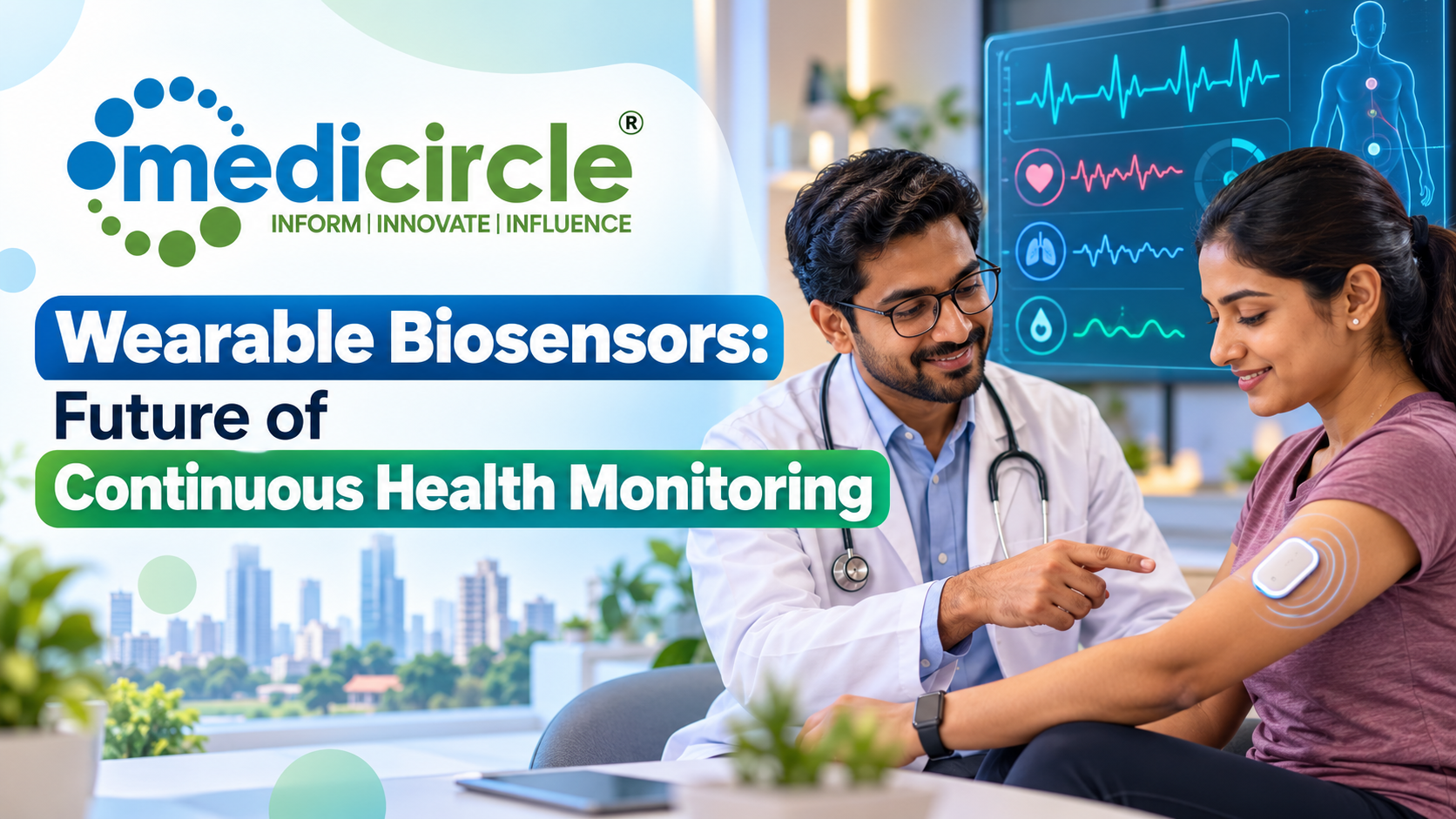
The emergence of wearable health technology is expanding the reach of maternal monitoring beyond hospital walls. Devices capable of tracking heart rate, blood oxygen levels, and activity patterns are being explored in both urban and semi-urban Indian settings. For women in tier two and tier three cities, or those discharged early after delivery, wearables connected to telemedicine platforms can enable community-level surveillance of postpartum health.
The Role of Artificial Intelligence and Predictive Analytics
Artificial intelligence is beginning to transform what early-warning systems can achieve. Machine learning algorithms trained on large obstetric datasets can analyze combinations of variables simultaneously, identifying risk patterns that would be impossible for a clinician to detect through manual review alone.
Predictive models developed from electronic health record data have demonstrated the ability to identify women at elevated risk of postpartum hemorrhage, eclampsia, and sepsis hours or even days before clinical signs emerge. Rather than waiting for a threshold to be crossed, AI-powered systems generate a risk probability score as part of routine care, prompting preemptive clinical review.
Several Indian medical institutions and health technology companies are actively developing and piloting AI-driven maternal health tools. These efforts align with the broader vision of the Ayushman Bharat Digital Mission, which seeks to create an interoperable health data ecosystem where clinical data generated at one point of care can inform decisions across the continuum.
The potential is significant, but so are the responsibilities. For AI tools to function reliably in maternal care, they require high-quality training data that reflects the diversity of Indian women across geographies, body types, nutritional states, and co-existing health conditions such as anemia and gestational diabetes, both of which are common in India.
Implementation Challenges in Indian Healthcare Settings
Expanding the reach of maternal early-warning systems across India is not without challenges. The healthcare system is enormously diverse. A well-equipped private hospital in Mumbai operates in a fundamentally different environment from a community health center in rural Bihar.
Key challenges include:
- Shortage of trained nursing staff in high-volume public facilities
- Inconsistent availability of monitoring equipment at peripheral health centers
- Variable levels of digital infrastructure across states
- Documentation burdens that can make structured scoring tools feel like additional workload rather than a clinical aid
- Limited integration between electronic health record systems and alert mechanisms
Addressing these challenges requires investment at multiple levels. Equipment procurement, staff training, protocol standardization, and digital infrastructure development must move forward together. Pilot programs in states such as Telangana and Tamil Nadu have demonstrated that structured maternal monitoring can be implemented successfully in public health facilities with the right organizational support.
Prevention Through Proactive Monitoring
The greatest value of maternal early-warning systems is preventive. When clinical teams act on early alerts, they interrupt the cascade of physiological deterioration before it becomes irreversible.
For conditions such as preeclampsia, early detection of rising blood pressure and protein in urine allows for timely administration of magnesium sulfate to prevent seizures. For women developing postpartum sepsis, early recognition of fever, tachycardia, and falling blood pressure enables prompt antibiotic therapy and fluid resuscitation. For hemorrhage, monitoring of uterine tone and blood loss in the immediate postpartum period allows surgical teams to mobilize before a woman enters hemodynamic shock.
The clinical impact of structured early-warning implementation has been documented in studies from the United Kingdom and the United States, where hospital-wide rollouts of MEWS programs were associated with reductions in maternal intensive care admissions and serious morbidity events. India has the opportunity to learn from these experiences and adapt proven models to its own context.
Conclusion
Maternal early-warning systems represent a convergence of clinical wisdom and modern data science in service of one of healthcare's most fundamental goals: keeping mothers safe. For India, where the burden of maternal mortality is both significant and unevenly distributed, these systems offer a practical, evidence-based pathway to closing the gap between where maternal health outcomes are and where they need to be.
The technology exists. The clinical evidence supports implementation. What is needed now is commitment from hospital leaders, policymakers, healthcare educators, and health technology innovators to make structured maternal monitoring a standard of care across every level of the Indian health system. Platforms such as Medicircle play an important role in bringing these conversations into the mainstream, ensuring that clinicians, hospital administrators, and the public understand what is possible when healthcare combines data with compassion.
Frequently Asked Questions
Q1: What is a maternal early-warning system?
A maternal early-warning system is a clinical tool that continuously monitors vital signs and physiological parameters in pregnant or postpartum women to detect warning signs of serious complications before they become life-threatening.
Q2: Which complications can maternal early-warning systems detect?
These systems can detect early signs of sepsis, postpartum hemorrhage, preeclampsia, eclampsia, and cardiovascular deterioration, among other obstetric emergencies.
Q3: Are maternal early-warning systems used in Indian hospitals?
Adoption is growing, particularly in large urban hospitals and medical colleges. Government initiatives under Ayushman Bharat and the LaQshya program are encouraging broader implementation of structured maternal monitoring protocols.
Q4: How does data from wearables support maternal monitoring?
Wearable devices track heart rate, oxygen saturation, and blood pressure continuously. This real-time data feeds into digital monitoring platforms, allowing clinicians to identify deterioration early and intervene promptly.
Q5: What role does artificial intelligence play in maternal early-warning systems?
Artificial intelligence analyzes large volumes of patient data to identify patterns that precede serious complications. AI-powered algorithms can generate risk scores and alerts far earlier than traditional manual assessments.
Resources
- World Health Organization (WHO): Maternal Health Guidelines and Global Reports
- Ministry of Health and Family Welfare, Government of India: Maternal Mortality and LaQshya Program Data
- Indian Council of Medical Research (ICMR): Obstetric Research and Clinical Guidelines
- National Accreditation Board for Hospitals and Healthcare Providers (NABH): Quality Standards for Maternity Care
- Ayushman Bharat Digital Mission (ABDM): National Health Data Ecosystem Framework
Interlinking Keywords
maternal mortality India, postpartum hemorrhage prevention, preeclampsia signs and symptoms, LaQshya program, Ayushman Bharat Digital Mission, obstetric emergency care, antenatal monitoring guidelines
Last medically reviewed by:
Medicircle Editorial and Healthcare Advisory Team on September 1, 2026.
Medical Disclaimer:
This article is intended for informational and awareness purposes only. It does not constitute medical advice, diagnosis, or treatment. Readers are strongly advised to consult a qualified and registered medical professional for any health concerns related to pregnancy, childbirth, or postpartum care. Clinical decisions should always be made by a licensed healthcare provider based on individual patient assessment.





-23-300x250.png)

.jpeg)
.jpg)
.jpg)
.jpg)
.jpg)
.jpg)
.jpg)
.jpg)
.jpg)
.jpg)