 Wednesday, October 28, 2026
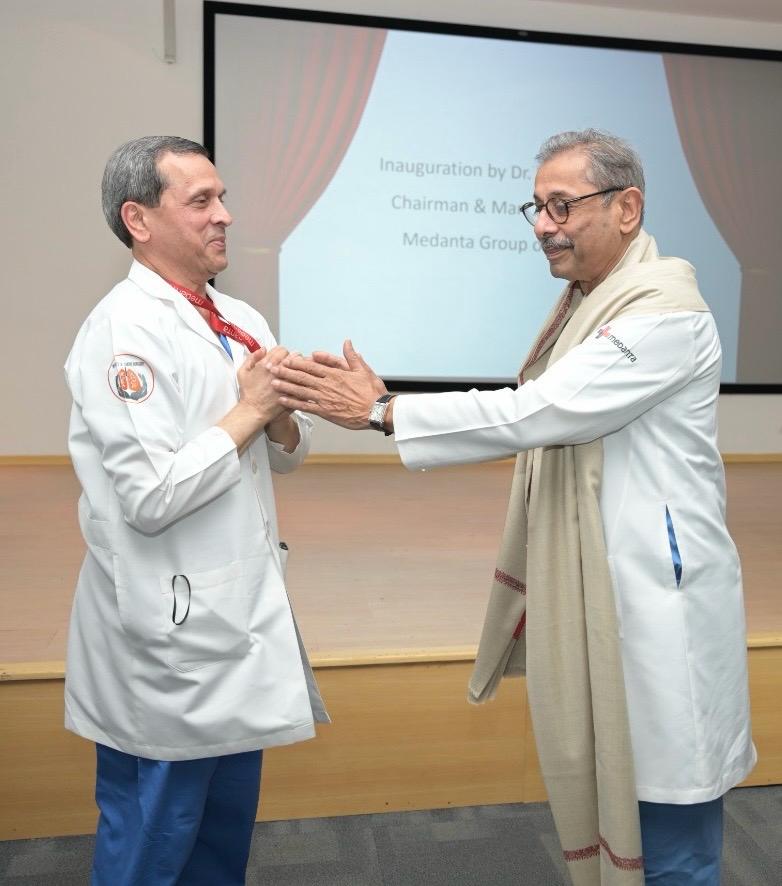
 Free of cost facility allows frontline medical teams to instantly connect with Medanta’s specialists to discuss treatment strategies related to chest trauma patients.




Gurugram, 6 February 2026: Every day, more than 450 people are killed in accidents on India’s roads. Many of the victims suffer extensive chest trauma injuries, but they succumb not because they did not reach a hospital on time, but because the right specialist was not available when it mattered the most.
For doctors at primary and secondary healthcare facilities, treating chest trauma patients without expert support can mean watching critical minutes slip away. To bridge this gap, Medanta, one of the largest private multi-specialty tertiary care providers operating in the North and East regions of India, has launched a dedicated 24x7 Chest Trauma Support Service aimed at providing expert clinical guidance to doctors at frontline healthcare facilities. Led by Dr. Arvind Kumar, Chairman, Institute of Chest Surgery at Medanta, the facility is free of cost and allows on-ground medical teams to instantly connect with Medanta’s specialists and discuss imaging findings, clinical parameters, and treatment strategies related to chest trauma patients.
Dr. Naresh Trehan, Chairman and Managing Director of Medanta said , “Medanta is home to India’s largest and best-equipped Institute of Chest Surgery, and this new initiative will allow primary and secondary healthcare facilities to benefit from our hospital’s highly experienced chest surgeons, in line with our guiding philosophy ‘Har Ek Jaan Anmol’, meaning ‘Every Life Is Invaluable’.”
The Chest Trauma Support Service will run round the clock, and will be managed by Medanta’s experienced chest surgery consultants, ensuring expert guidance is always available. It will initially cover Haryana, Punjab and Western Uttar Pradesh, with plans to expand.
Road accidents remain one of the leading causes of death among Indians aged 15-45 years. Chest trauma accounts for 10-15% of all trauma admissions in hospitals -- a figure that rises to approximately 70% in poly-trauma cases. Cases involving chest trauma can be difficult to treat because multiple vital organs within a confined space can be involved, such as the lungs, heart, food pipe, wind pipe, and major blood vessels. Moreover, thoracic trauma centers, trained specialists, and integrated trauma systems are limited outside big cities, leading to delays and avoidable complications.
Speaking about the initiative, Dr. Arvind Kumar, Chairman, Institute of Chest Surgery at Medanta, said, “Most chest trauma cases are managed conservatively, but delayed surgeries can increase morbidity levels. Through this center, Medanta reinforces its commitment to advancing chest trauma care, supporting first-line care providers, and improving survival and recovery outcomes for patients with life-threatening chest injuries.”
As part of the Chest Trauma Support Service, Medanta will provide guidance to primary and secondary healthcare providers on standardized chest tube insertion -- a move that will reduce complications and ensure timely intervention for patients. Chest trauma patients needing highly specialized medical attention can be shifted under Medanta’s care in a supervised, hassle-free and safe manner.
In addition, Medanta will conduct training programs, webinars and workshops for doctors, and set up a chest trauma registry to improve treatment standards and outcomes nationwide.
The award-winning hospital will also set up a dedicated chest trauma registry, enabling systematic data collection on injury patterns, interventions, and outcomes, supporting quality improvement, clinical research, and policy planning as well as strengthening trauma care systems nationwide.
Dr. Kumar said, “Through this service, we aim to empower frontline doctors with immediate expert support, helping them manage complex chest trauma cases more confidently, and if required, refer patients when advanced care is required.”





-23-300x250.png)

.jpeg)







.jpg)
.jpg)
.jpg)
.jpg)
.jpg)
.jpg)
.jpg)
.jpg)
.jpg)

