 Thursday, October 08, 2026
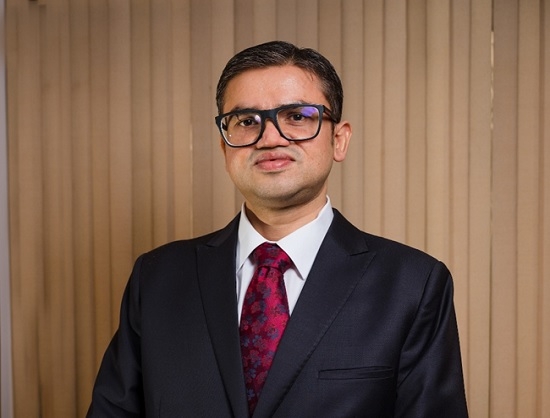
 Encouraging Structural Momentum for Healthcare and Diagnostics.




The Union Budget 2026–27 presents a constructive and forward-looking agenda for India’s healthcare and manufacturing sectors, signalling the Government’s continued commitment to transforming the nation’s health ecosystem. Today’s Budget reinforces strategic priorities in preventive care, digital health, manufacturing competitiveness, and human capital development. These are all vital to the IVD/MedTech industry’s evolution.
A landmark initiative in this Budget is the launch of Biopharma Shakti, backed by an allocation of ₹10,000 crore to strengthen domestic life sciences and biomanufacturing capacity. Its emphasis on quality systems, standardisation and global benchmarking will have a direct and positive impact on the IVD and MedTech sector. Aligning Indian manufacturing with global regulatory frameworks is essential for export competitiveness, enabling domestic products to compete more effectively in regulated global markets and reinforcing trust in Indian healthcare technologies.
Equally significant is the Government’s push to promote chemical and manufacturing parks across the country. For the diagnostics industry, which still relies heavily on imported raw materials, reagents and components, this infrastructure expansion can reduce supply vulnerabilities, lower production costs and support domestic value creation. Over time, these parks can help build a stable base of Indian raw materials, strengthening India’s ambition to be a global manufacturing hub for diagnostics and medical devices.
The Budget also recognises the central role of skill development in realising healthcare transformation. Enhancing training ecosystems for allied health professionals, including lab technicians, biomedical engineers, quality assurance specialists, and diagnostic operators, will be critical to ensuring that advanced technologies and expanded testing capacity translate into high-quality outcomes. A skilled workforce is foundational to scaling diagnostics access across urban, semi-urban, and rural settings and to supporting the adoption of medical-assistive devices and complex technologies.
Today’s emphasis on disease detection, preventive health, and diagnostic infrastructure aligns with broader calls from industry and public health stakeholders for deeper integration of early screening and diagnostic services into the mainstream healthcare delivery system. Preventive diagnostics, including AI-enabled tools, genomic screening platforms, and community-level centres, are essential to shift India’s care model from reactive treatment to proactive health management, thereby lowering disease burden and overall system costs over time.
While the Budget makes important strides, structural reforms remain necessary to unlock the IVD/MedTech industry’s full potential. Rationalising inverted duty structures, enabling faster regulatory pathways, expanding targeted export incentives and offering dedicated fiscal support for medical-assistive device development and clinical validation will be key to sustaining momentum. Clear policy frameworks for Production Linked Incentive (PLI) expansions in diagnostics and structured R&D funding would further strengthen India’s competitiveness.
Overall, the Union Budget 2026 presents several positive and pragmatic steps for healthcare manufacturing, skill building, and diagnostics. These initiatives, if implemented with structural clarity and robust stakeholder engagement, can accelerate India’s progress toward a healthy, innovative and globally competitive MedTech and diagnostics ecosystem.






.jpeg)










.jpg)
.jpg)
.jpg)
.jpg)
.jpg)
.jpg)


.jpg)