 Saturday, November 21, 2026
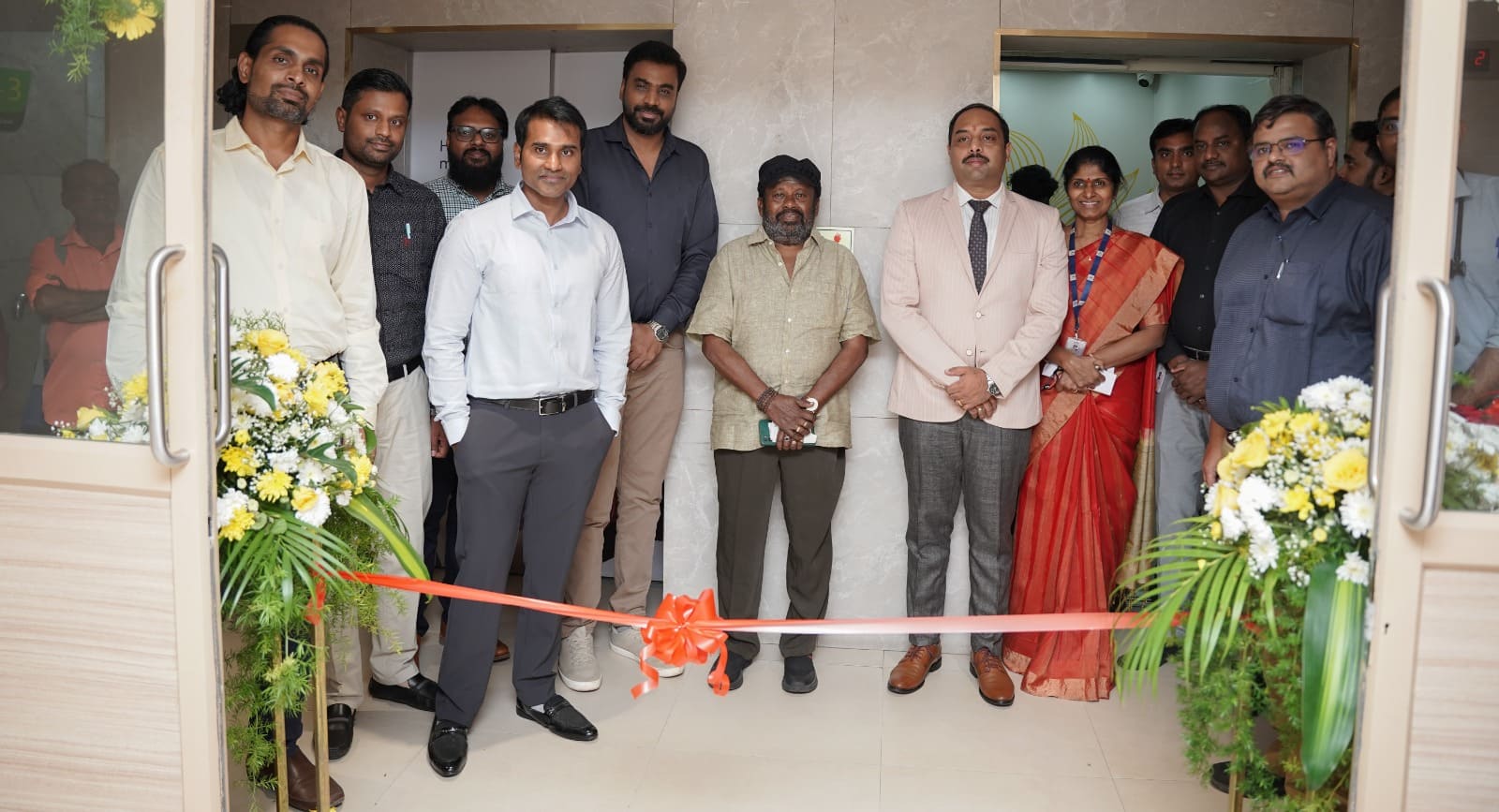
 Launches new Cath Lab featuring advanced imaging, real-time dose monitoring, and cutting-edge technologies for precise and safe cardiac and neurovascular interventions.





Chennai, October 14, 2025: MGM Malar has launched a Rapid Stroke Response Team, dedicated to advanced stroke treatment and patient support, and honoured ‘stroke warriors’ who have successfully completed treatment and resumed healthy lives, marking the forthcoming World Stroke Day, observed on October 29th aligning with this year’s global theme — “Every Minute Counts.”
The super specialty hospital also inaugurated an advanced Neuro-Cath Lab, equipped with state-of-the-art interventional angiography systems designed for precise diagnosis and minimally invasive treatment of brain and spine vascular conditions. The event featured talks by senior neurologists who emphasized the importance of early stroke recognition, rapid intervention, and preventive brain health awareness.
In his address, Dr. Karthikeyan S, Senior Consultant, Interventional Neurology, MGM Malar, highlighted that globally, stroke is the second leading cause of death and long-term disability, claiming more lives each year than many other neurological conditions combined. In Chennai, stroke affects approximately 15,000 individuals annually. What’s particularly alarming is the rising incidence of stroke among younger adults, with an increasing number of cases reported in individuals under 45 — a trend linked to sedentary lifestyles, unmanaged hypertension, and stress.
He emphasised that the first hour after the onset of stroke symptoms — the “golden hour” — is critical for saving lives and minimising brain damage. Timely medical intervention during this period can greatly improve recovery outcomes. Highlighting the need for a Rapid Stroke Response Team, he said, “Every minute matters”. Quick recognition of stroke signs and reaching a stroke-ready hospital without delay can make all the difference.
Dr. Sai Prashanth PR, Consultant Interventional Neurology, MGM Malar, said, “The hospital is committed to providing comprehensive, patient-centered neurological care to ensure the best possible outcomes for every patient.
Recent advancements in diagnostic technology and specialised stroke care units have significantly improved survival and recovery rates. Our expert neuro team delivers complex brain and spine interventions, all supported by cutting-edge technology and a high success rate.
Dr. Aravinth Kumar A, Consultant, Neurosurgery and Endovascular Neurointerventions, MGM Malar, said, “Through awareness and timely intervention, we aim to reduce the burden of stroke and help communities lead healthier lives. The rising incidence of stroke in India is linked to lifestyle factors such as sedentary habits, diabetes, and uncontrolled hypertension.
Endovascular neurointerventions are critical for effective stroke management, while prevention through regular physical activity, a balanced diet, and early control of risk factors remains equally important.
The new Cath Lab at MGM Healthcare – Malar is equipped with advanced imaging tools, real-time dose monitoring, and technologies that minimise radiation exposure, ensuring accurate diagnosis and safer procedures. Its versatile system offers complete head-to-toe coverage, seamless tableside control, and a wide range of applications to support complex cardiac as well as neurovascular interventions, delivering world-class care under one roof.





-23-300x250.png)




















