Tuesday, October 06, 2026
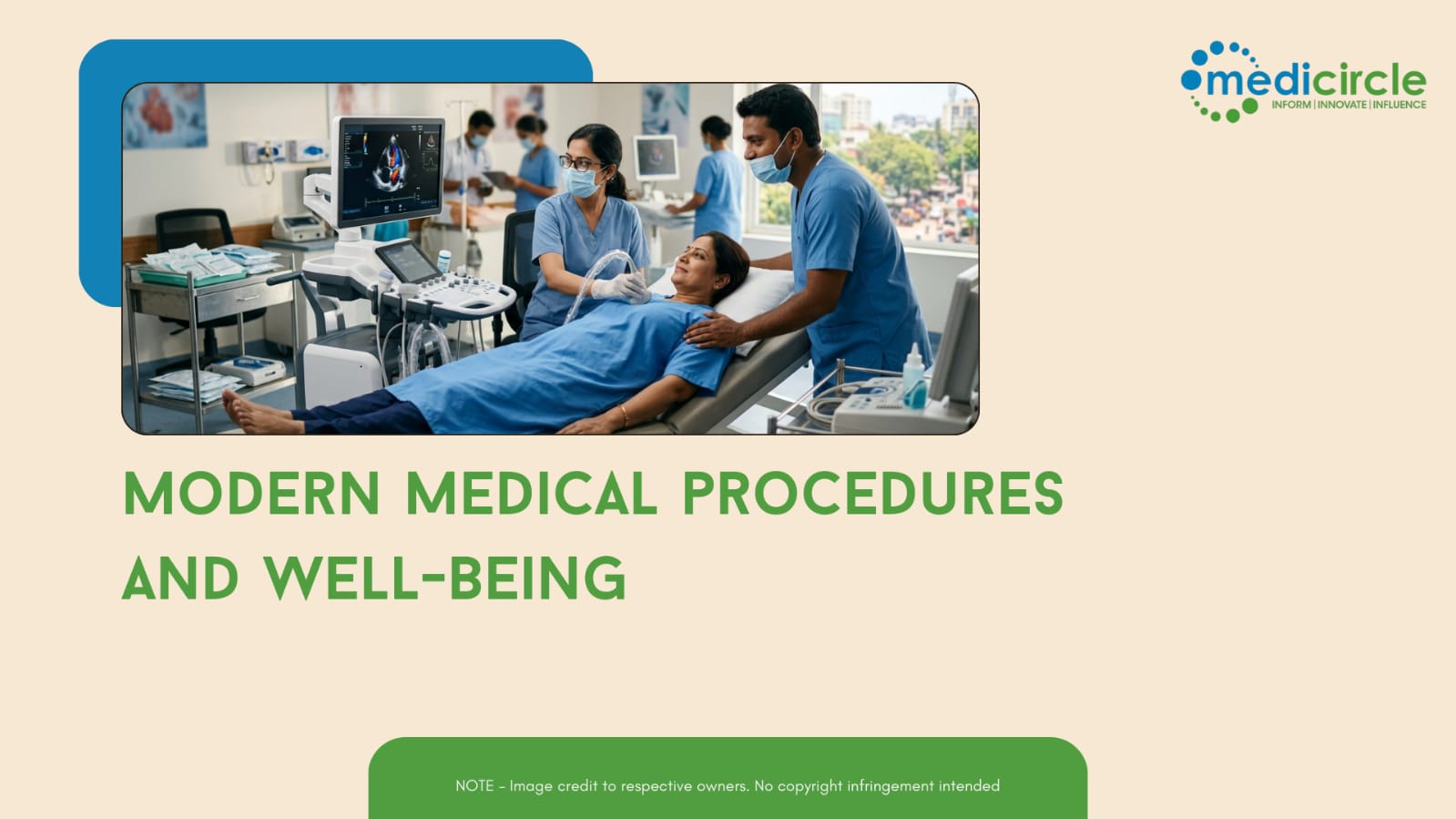
 Modern medical procedures enhance well-being by restoring independence and function. By embracing advanced solutions and recovery, patients invest in future happiness and a more joyful, independent life.




Improving Life through Medical Care
When we think about medical treatments, our minds often jump to the clinical details such as the surgery, the hospital stay, or the recovery time. However, the true success of any medical intervention is not just measured by a successful lab report or a healed wound. Success is defined by how quickly you can get back to the things you love. Whether it is a grandfather returning to the park with his grandkids or a young professional resuming their career without chronic pain, the ultimate goal of healthcare is to restore your joy and independence.
In the Indian context, health is a family affair. When one person suffers, the entire household feels the strain. Choosing to undergo a procedure is a significant decision. It is often the first step toward a more vibrant, active, and fulfilling life.
Defining Quality Health
Quality of life is not just a medical buzzword; it is about your ability to live comfortably. This concept covers everything from your physical strength and mental clarity to your social interactions and your sense of freedom. When health issues like persistent joint pain or heart fatigue set in, your world often starts to shrink. You might stop traveling, avoid social gatherings, or find daily chores exhausting.
Today the medical field has moved away from just treating symptoms. Modern doctors focus on functional outcomes. With the rise of robotic assisted surgeries and minimally invasive techniques, the emphasis is now on precision. This means smaller incisions, less time in the hospital, and most importantly, a faster return to your community and your routine.
Prevention and Correction
Maintaining a high standard of living involves two types of medical interventions: those that prevent trouble and those that fix it.
The Power of Prevention
We often underestimate simple procedures like diagnostic screenings or minor corrective treatments. By addressing a small issue today, such as managing blood pressure or clearing a blocked artery, you avoid the massive life disruptions that come with major health crises later.
Transformation of Correction
For those already living with limitations, corrective procedures can feel like a second lease on life. Cataract surgery is a brief procedure, but for an elderly person in India, it means the difference between being dependent on others and being able to read or socialize freely. It does not just fix an eye; it restores a life.
Deciding With Confidence
It is perfectly normal to feel a bit of anxiety when a doctor suggests a procedure. The key to overcoming this is open communication. A successful journey starts with a conversation between the patient, the family, and the medical team.
Instead of focusing only on the risks, ask about the functional gains. You should inquire about how much the procedure will reduce daily pain. When you have a clear picture of the future, the treatment phase becomes much easier to handle. In India, where trust in a doctor is paramount, having this transparency ensures that you are an active participant in your own healing.
Recovery Phase Success
The surgeon’s job ends when the procedure is over, but your journey toward a better quality of life is just starting. Recovery is rarely a straight line; it is a gradual climb.
|
Phase of Recovery |
Key Focus Area |
Goal |
|
Immediate Post-Op |
Rest and Monitoring |
Preventing complications |
|
Early Rehab |
Physical Therapy |
Restoring basic movement |
|
Mid-Term |
Lifestyle Adjustments |
Building strength and stamina |
|
Long-Term |
Consistency |
Maintaining procedure benefits |
Whether it is sticking to a physical therapy schedule or making dietary changes after a heart procedure, your commitment during these weeks determines the long term value of the treatment.
Healing Mind Body
We cannot talk about physical recovery without mentioning mental health. Living with a chronic condition can be draining, often leading to feelings of isolation or sadness. A successful medical procedure acts as a weight being lifted off your shoulders, but your mind needs time to catch up.
This is where the Indian family structure shines. The emotional support from spouses, children, and siblings acts as a natural medicine. When you feel encouraged and cared for, your body actually heals faster. Acknowledge the emotional journey, stay patient with yourself, and remember that a positive mindset is one of the best tools for a speedy recovery.
Final Thoughts
A medical procedure is simply a tool used to rebuild the foundation of your life. It is about moving from a state of getting by to a state of thriving. By embracing modern medical solutions and committing to the recovery process, you are not just treating a condition; you are investing in your future happiness. Every step you take toward better health is a step toward a more independent and joyful version of yourself.
Common Questions
- Is it worth undergoing a procedure if I am older?
Age is just one factor. Doctors today look at your biological age and overall fitness. If a procedure can significantly reduce pain or prevent a disability, it is often very beneficial for improving the quality of life in your golden years.
- How do I manage the costs of these procedures?
Many modern treatments are now more cost effective because they require shorter hospital stays. Additionally, checking with your insurance provider or looking into government health schemes in India can help manage the financial aspect.
- What if I am scared of surgery?
Many procedures are not traditional surgeries. From laser treatments to non-invasive heart repairs, there are many ways to treat conditions with minimal discomfort. Always ask your doctor about the least invasive options available.
- Where can I find reliable information on these treatments?
Platform like Medicircle offer expert backed insights tailored for Indian patients, helping you stay updated on the latest medical advancements and wellness strategies.






.jpeg)




.jpg)
.jpg)
.jpg)
.jpg)
.jpg)
.jpg)


.jpg)
.jpg)
.jpg)
.jpg)
.jpg)
.jpg)