 Monday, October 12, 2026
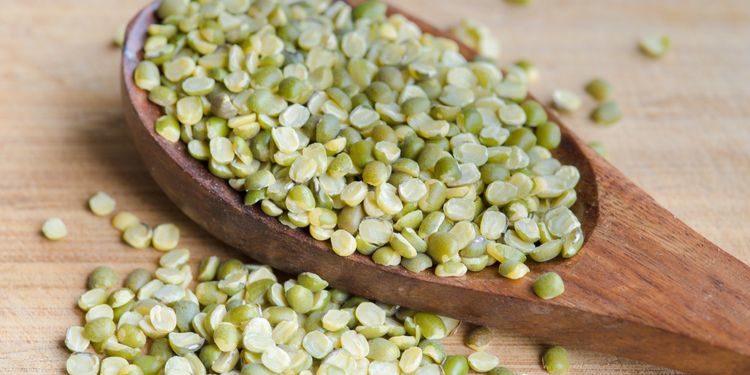
 “We can have several recipes of moong dal from namkeen to halwa included in our diet. It is of high nutrition value.”





Moong dal, also known as green gram dal, is a staple food in many Indian households. People prepare it in different ways such as simple dal, khichdi, chilla, sprouts, namkeen snacks, and even desserts like moong dal halwa. Apart from its delicious taste, moong dal is packed with nutrients and offers many health benefits.
Many people often ask questions like is moong dal healthy, is dahl healthy, or is green gram good for weight loss. The simple answer is yes. Moong dal is a light, nutritious, and easy-to-digest food that supports overall health.
In this article, we will explore the nutrition of moong dal, calories in moong dal and khichdi, and the benefits of moong dal in detail.
Nutrition of Moong DalThe nutrition of moong dal makes it one of the healthiest lentils in the Indian diet. It contains protein, fiber, vitamins, and essential minerals that help the body function properly.
Nutritional Value (per 100 g boiled moong dal)-
Calories – 105 kcal
-
Fat – 0.4 g
-
Protein – 7 g
-
Carbohydrates – 18 g
-
Fiber – 8 g
-
Folate – 40% of RDI
-
Iron – 16% of RDI
-
Magnesium – 12% of RDI
-
Manganese – 15% of RDI
-
Phosphorus – 10% of RDI
-
Zinc – 5% of RDI
-
Vitamin B1 – 11% of RDI
Moong dal also contains important amino acids such as:
-
Phenylalanine
-
Leucine
-
Isoleucine
-
Lysine
-
Arginine
These nutrients make moong dal a high-protein vegetarian food suitable for daily consumption.
Calories in Moong Dal and KhichdiMany people who are dieting want to know the calorie content of dal dishes. Below are common estimates.
1 Bowl Moong Dal Calories-
1 bowl moong dal calories: around 105–120 kcal
-
1 bowl of moong dal calories: depends on oil or ghee used during cooking
Because it is low in fat and high in protein, it is an excellent food for healthy eating.
1 Bowl Dal Khichdi CaloriesDal khichdi is a combination of rice and moong dal. It is light on the stomach and easy to digest.
-
1 bowl dal khichdi calories: approximately 180–220 kcal
-
1 bowl moong dal khichdi calories: varies depending on rice quantity and ghee used
Khichdi provides a balanced meal because it contains both carbohydrates and protein.
Benefits of Moong DalThere are many benefits of moong dal when you include it regularly in your diet.
1. Helps in Weight Loss
One of the biggest advantages of moong dal is its support for weight management.
-
High protein keeps you full for longer
-
Fiber reduces hunger cravings
-
Low fat supports fat loss
This is why many people ask is green gram good for weight loss or is green moong good for weight loss. The answer is yes. It helps control appetite and supports healthy metabolism.
2. Improves Digestion
Moong dal is extremely light and easy to digest.
-
It contains soluble fiber called pectin
-
Fiber supports smooth bowel movement
-
It helps maintain healthy gut bacteria
This makes moong dal ideal for people with sensitive digestion.
3. Good for Diabetes Control
Moong dal has a low glycemic index (GI of around 38).
This means it releases glucose slowly into the bloodstream, helping maintain stable blood sugar levels. People with diabetes can safely include moong dal in their diet in moderate amounts.
4. Helps Maintain Healthy Blood Pressure
Moong dal contains important minerals such as:
-
Magnesium
-
Potassium
-
Fiber
These nutrients help regulate blood pressure and support heart health.
5. Prevents Heat Stroke in Summer
Moong dal has natural cooling and anti-inflammatory properties. Drinking moong dal soup during hot weather can help:
-
Maintain body hydration
-
Reduce body heat
-
Prevent sunstroke and dehydration
6. Healthy Food During Pregnancy
Moong dal is rich in folate, which plays an important role in the development of the baby during pregnancy.
It also provides:
-
Iron
-
Protein
-
Essential nutrients
Therefore, it is considered a healthy meal option for expecting mothers.
7. Benefits of Eating Moong Dal for Skin
One of the lesser-known benefits of eating moong dal for skin is its ability to improve skin health.
Moong dal contains antioxidants that help:
-
Reduce skin damage caused by free radicals
-
Improve skin glow
-
Support collagen production
It is also commonly used in homemade face packs for natural skincare.
Benefits of Green Dal and Green MoongWhole moong beans are also known as green moong or green dal. Sprouted green moong is even more nutritious.
The benefits of green moong and benefits of green dal include:
-
Higher protein content
-
Better digestion
-
Improved metabolism
-
Stronger immunity
-
Increased vitamin content in sprouts
Sprouted moong is often eaten in salads or chaat for a healthy snack.
Is Moong Dal Healthy?Many people often ask is moong dal healthy or is dahl healthy. Nutrition experts widely consider moong dal one of the healthiest dals.
It is:
-
High in protein
-
Rich in fiber
-
Low in fat
-
Easy to digest
-
Suitable for weight loss diets
Because of these benefits, it is frequently recommended in balanced diets.
Is Haldiram Moong Dal Good for Health?Many people enjoy packaged snacks such as Haldiram moong dal. However, the question remains: is Haldiram moong dal good for health?
While it tastes good, it is usually deep-fried and high in salt. Eating it occasionally is fine, but it should not replace freshly cooked moong dal.
For better health, choose:
-
Home-cooked moong dal
-
Sprouted moong salad
-
Light moong dal khichdi
Moong dal is one of the most nutritious and versatile foods in the Indian diet. The nutrition of moong dal includes protein, fiber, vitamins, and essential minerals that support overall health.
From 1 bowl moong dal calories to 1 bowl moong dal khichdi calories, this dal provides a balanced and healthy meal option. The many benefits of moong dal, including weight loss support, better digestion, healthy skin, and improved heart health, make it a must-have food in daily meals.
Including moong dal regularly in your diet is a simple way to improve nutrition and maintain good health.





.jpeg)










.jpg)
.jpg)
.jpg)
.jpg)
.jpg)
.jpg)


.jpg)