 Saturday, November 21, 2026
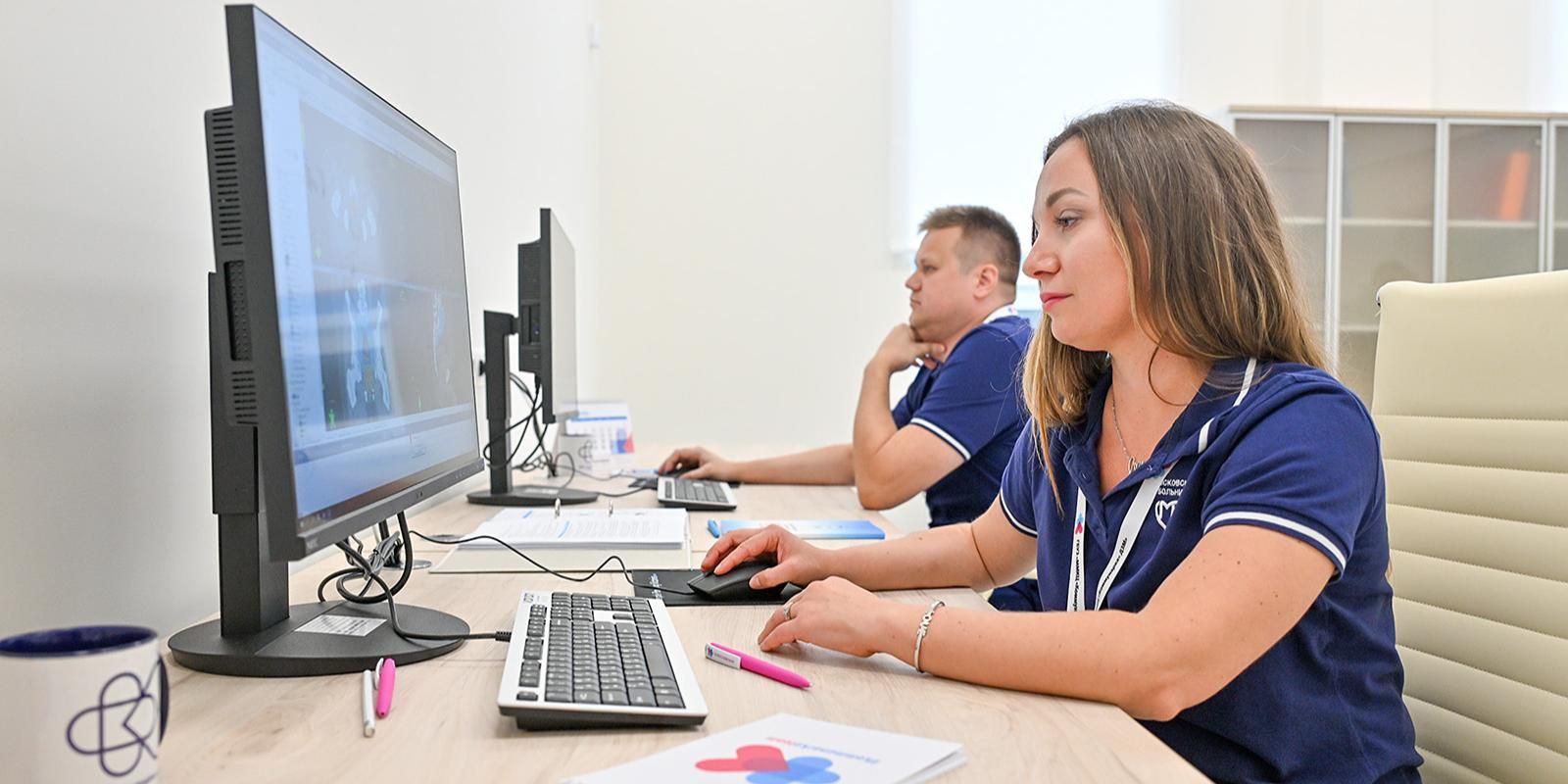
 These documents regulate the use of neural networks in healthcare management, remote monitoring, predictive analytics, and Clinical Decision Support Systems, while also helping to resolve ethical conflicts.





These documents regulate the use of neural networks in healthcare management, remote monitoring, predictive analytics, and Clinical Decision Support Systems, while also helping to resolve ethical conflicts.
Moscow has established a comprehensive system for standardizing artificial intelligence in healthcare through the development of 22 national standards. The capital is now scaling its leading solutions: 74 regions have already joined the MosMedAI platform, which simplifies medical image analysis using AI. This was announced by Anastasia Rakova, Deputy Mayor of Moscow for Social Development.
"Moscow has accumulated extensive experience in applying artificial intelligence to assist doctors in their daily work and improve the quality of diagnosis and treatment," said Rakova. "Moscow's developments have formed the basis for national standards governing the use of advanced technologies in medicine, which is helping to accelerate the implementation of digital assistants across Russia and create a reliable ecosystem with clear quality benchmarks. We have already developed 22 national standards, nine of which came into effect this year, and five more will come into effect in January 2026. At the same time, we are scaling the best solutions nationwide: 74 regions, including two new ones, have already connected to the MosMedAI platform for analyzing X-ray studies using artificial intelligence. In total, doctors have analyzed over eight million examinations."
More than two thousand healthcare organizations across Russia are already using the MosMedAI platform. Doctors connected to the platform can analyze an unlimited number of images automatically. They also have access to technical support and monthly quality control services, monitored by specialists from the Diagnostics and Telemedicine Center of the Moscow Department of Healthcare.
In 2024, nine national standards (including two pre-standards) regulating the safe use of AI in medicine were developed. These documents establish the framework for using neural networks in healthcare management, remote monitoring, predictive analytics, and medical decision support systems, and also provide guidance for resolving ethical conflicts.





-23-300x250.png)




















