 Saturday, November 21, 2026
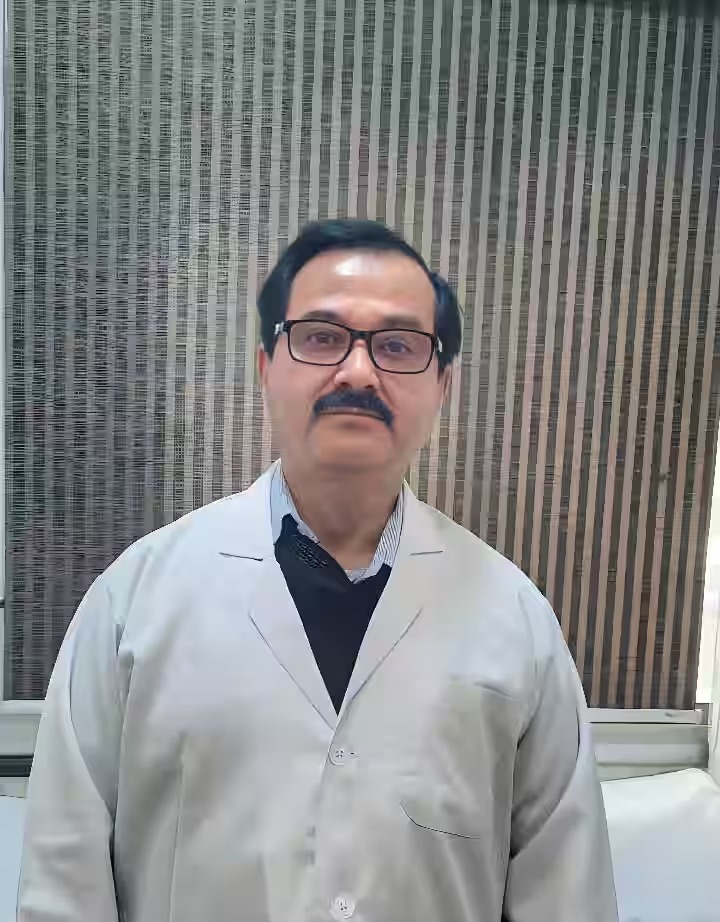
 “India is witnessing a steady rise in neurological disorders, with epilepsy alone affecting an estimated 12 million people, which accounts for nearly one-sixth of the global epilepsy burden and impacting close to 1% of the population.





“India is witnessing a steady rise in neurological disorders, with epilepsy alone affecting an estimated 12 million people, which accounts for nearly one-sixth of the global epilepsy burden and impacting close to 1% of the population. Globally, epilepsy cases have increased by around 11% over the past three decades which is concerning, which is identified due to improved diagnosis. Cused by changing health and lifestyle patterns. In everyday clinical practice, we are increasingly seeing that seizure control is being compromised by modern habits like late-night screen exposure affecting sleep cycles, high consumption of junk and ultra-processed foods, chronic stress, irregular routines, missed medication doses, and exposure to alcohol or recreational substances.
This trend highlights that neurological care today must go far beyond prescriptions. Conditions like epilepsy often intersect with other neurological issues such as stroke-related brain injury, childhood developmental disorders, movement disorders, neuromuscular diseases, chronic headaches, autoimmune neurological conditions, and cognitive decline . While medication remains essential, modern daily habits including chronic sleep disruption from late-night screen use, diets high in processed and junk foods , persistent stress , and irregular medication routines are increasingly destabilising seizure control. Combined with risks like alcohol or recreational substance use, these factors can tip well-managed patients back into breakthrough seizuret.
A comprehensive approach that combines early diagnosis, specialised neurological expertise, lifestyle correction, patient education, and long-term follow-up is essential if we are to reduce disability and improve quality of life for people living with neurological conditions in India.”





-23-300x250.png)




















