 Tuesday, October 27, 2026
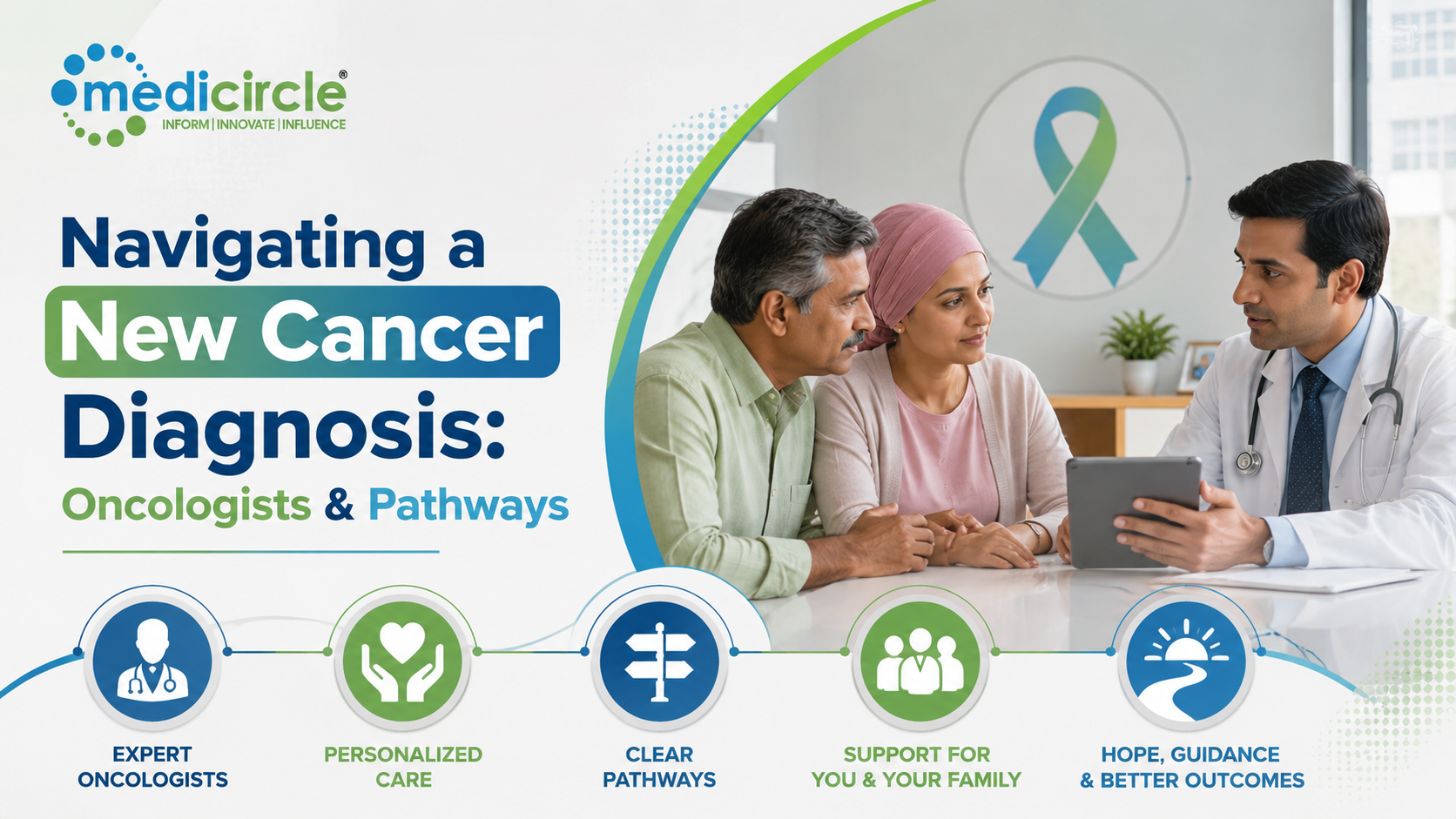
 Receiving a new cancer diagnosis is an intensely overwhelming, life-altering event. In an instant, your familiar routine is replaced by an onslaught of complex medical terminology, urgent scheduling demands, and profound emotional distress. Globally, over 20 million individuals face this exact transition annually, with common malignancies like breast, lung, prostate, and colorectal cancers accounting for nearly half of all new diagnoses.




Receiving a new cancer diagnosis is an intensely overwhelming, life-altering event. In an instant, your familiar routine is replaced by an onslaught of complex medical terminology, urgent scheduling demands, and profound emotional distress. Globally, over 20 million individuals face this exact transition annually, with common malignancies like breast, lung, prostate, and colorectal cancers accounting for nearly half of all new diagnoses.
During the initial days following a biopsy confirmation, many patients feel a compelling urge to rush into immediate treatment out of fear. However, clinical oncology experts emphasize that cancer care is a highly calculated, precise discipline. Taking a brief window to gather your official diagnostic pathology data, secure a dedicated multidisciplinary medical team, and understand evidence-based treatment standards is the single most effective way to protect your long-term health.
Navigating this challenging landscape with absolute confidence requires moving past unverified internet searches. True clarity is achieved by mastering your initial medical steps, optimizing your oncologist consultations, and understanding how standardized clinical pathways guide your recovery.
1. The Critical First Steps: Gathering Your Clinical Capital
Before booking consultations with surgical or medical oncologists, you must secure your official physical and digital medical records. Do not rely on verbal summaries between clinics. Your diagnostic portfolio serves as your clinical capital:
[ THE DIAGNOSTIC PORTFOLIO BASELINE ]
│
┌───────────────────────┼───────────────────────┐
▼ ▼ ▼
[ PATHOLOGY REPORT ] [ RADIOLOGY DISK ] [ RECENT BLOOD WORK ]
• Confirms histological type • CT, MRI, or PET scans • Baseline organ function
• Grade & mitotic rate • Original DICOM imaging • Tumor marker levels
• Biomarker status (ER, HER2)• Official radiologist log• Complete blood count
- The Definitive Pathology Report: This document is the absolute gold standard of your diagnosis. It details the precise histological type of the cancer, its microscopic grade (how aggressive the cells look), and critical molecular biomarkers (such as hormone receptor status in breast cancer or EGFR/ALK mutations in lung cancer).
- Original Radiology Imaging Media: Ensure you request physical CD-ROMs or secure digital transfer links containing your original raw radiology data (CT scans, MRIs, or PET-CTs) alongside the official written radiologist interpretations. Oncology teams must review the actual visual files to accurately chart surgical margins.
2. Navigating the Oncologist Consultation: What to Ask
Your initial consultation sets the stage for shared decision-making. Because stress can impair memory retention during high-pressure appointments, always bring a trusted family member or dedicated care partner to log notes.
[ THE TRIPLE-AXIS APPRAISAL METHOD ]
Axis 1: The Diagnosis ──► Focus on the exact stage, molecular type, and growth rate.
Axis 2: The Objectives ──► Clarify if the path is curative, adjuvant, or palliative.
Axis 3: The Logistics ──► Map the weekly impact, side effects, and emergency contacts.
When sitting down with your oncology specialist, use the Triple-Axis Appraisal Method to guide your questions and gather essential insights.
Essential Diagnostic Questions (Axis 1)- What is the exact primary origin, histological type, and stage of this cancer?
- Have the specific molecular biomarker or genetic sequencing panels been completed? If not, will they be ordered?
- What is the primary therapeutic intent of the recommended treatment pathway (e.g., complete cure, keeping the disease at bay, or minimizing symptoms)?
- Are there active, cutting-edge clinical trials available for this specific genetic profile?
- Who should I contact immediately if I experience a sudden evening fever or severe unmanaged nausea?
- How will this specific chemotherapy or radiation schedule alter my daily work capacity and energy levels over the next three months?
3. Understanding Evidence-Based Treatment Pathways
Modern oncology does not rely on a single physician's guesswork. Exceptional cancer care is guided by rigorous, global standards developed by major academic alliances like the National Comprehensive Cancer Network (NCCN) and the American Cancer Society (ACS).
The clinical recommendations that top doctors rely on are translated into free, patient-friendly resources. Tools like the NCCN Guidelines for Patients and the digital NCCN Guidelines Navigator simplify complex medical algorithms into clear, visual flowcharts, allowing families to verify that their care matches international standards.
[ THE MULTIDISCIPLINARY COLLABORATIVE FLOW ]
Medical Oncologist ──► Prescribes systemic therapies (Chemotherapy, Immunotherapy).
Surgical Oncologist──► Executes localized tissue resections and lymph node biopsies.
Radiation Oncologist──► Targets residual microscopic disease via high-energy beams.
Your treatment plan will typically combine multiple specialized modalities managed by a integrated Multidisciplinary Tumor Board:
- Systemic Therapy Engines: Managed by your Medical Oncologist, this track incorporates systemic drugs that travel through the bloodstream to eliminate cancer cells throughout the body, including conventional cytotoxic chemotherapy, highly targeted molecular inhibitors, and modern immunotherapies (like immune checkpoint inhibitors).
- Localized Surgical Resection: Executed by a specialized Surgical Oncologist, the objective is the clean, physical removal of the primary tumor mass along with a safe margin of surrounding healthy tissue and nearby lymph nodes.
- Targeted Radiation Oncology: Utilizes high-energy X-ray or proton beams to damage the DNA of localized cancer cells, preventing them from multiplying and destroying residual microscopic disease post-surgery.
Comparative Matrix: Uncoordinated Care vs. Guideline-Concordant Pathways
The matrix below contrasts the risks of uncoordinated, unverified medical navigation with the high-performance security of an evidence-based, guideline-concordant oncology pathway.
|
Operational Performance Pillar |
Uncoordinated / Isolated Care Approach |
Guideline-Concordant Pathway Profile |
Systemic Advantage for the Patient |
|---|---|---|---|
|
Treatment Selection |
Relying on a single doctor's historical habits or preferences. |
Synced to the latest NCCN Guidelines & clinical algorithms. |
Guarantees care matches the global gold standard for your exact mutation. |
|
Biomarker Utilization |
Commencing broad chemotherapy prior to genetic profiling. |
Mandatory molecular testing completed before drug selection. |
Prevents unnecessary toxicity by utilizing highly targeted, smart drugs. |
|
Side-Effect Management |
Reactive tracking; waiting for severe symptoms to cause ER visits. |
Pre-emptive Supportive Care Guidelines (Antiemesis / Pain books). |
Preserves high quality of life and prevents treatment dropouts. |
|
Decision-Making Model |
Passive compliance; accepting instructions with low understanding. |
Shared decision-making backed by free patient-friendly manuals. |
Empowers the patient as an active, informed partner in their recovery. |
|
Second Opinion Access |
Viewing alternative reviews as a sign of institutional distrust. |
Standard practice; actively encouraged across academic networks. |
Confirms diagnostic accuracy before executing high-stakes therapies. |
Actionable Strategy: Your Immediate 72-Hour Roadmap
- Create Your Central Health Vault Immediately: Do not let your medical records scatter across independent envelopes or email chains. Purchase a sturdy physical binder with tabbed dividers labeled: Pathology, Imaging Reports, Blood Work, Treatment Plan, and Insurance/Bills. Keeping records organized speeds up institutional transfers and second-opinion reviews.
- Request a Formal Second Opinion Without Hesitation: Securing a second opinion from an independent, NCCN-designated academic comprehensive cancer center is a standard, highly respected step in modern oncology. A fresh set of expert eyes ensures absolute diagnostic precision and can open up access to alternative clinical trials.
- Integrate Evidence-Based Supportive Care Early: Do not accept severe pain or intense nausea as an unfixable part of cancer treatment. Use the patient support resources published by the ACS and NCCN to collaborate with your care team on proactive symptom management, preserving your energy and physical strength from day one.
Frequently Asked Questions (FAQs)
Q1. What exactly are the NCCN Guidelines, and why should a patient read them?The NCCN Guidelines are the recognized international gold standard for clinical decision-making in oncology, updated continuously by leading academic cancer centers. Reading the plain-language NCCN Guidelines for Patients empowers you with the exact same evidence-based treatment maps that top oncologists use, facilitating informed conversations with your doctor.
Q2. How long can a patient safely wait after a biopsy before starting treatment?While a cancer diagnosis demands timely attention, most solid tumors grow at a rate that allows a safe, necessary window of 2 to 4 weeks to gather records, secure second opinions, complete biomarker testing, and design a highly precise treatment plan. Rushing into treatment without these insights can compromise your long-term outcome.
Q3. What is a "Biomarker Test," and why is it mandatory for specific cancers?A biomarker test analyzes the genetic mutations, protein expressions, or DNA alterations unique to your specific tumor cells. Identifying these distinct molecular signatures allows medical oncologists to bypass generic, toxic therapies and prescribe smart, highly targeted drugs tailored to destroy your exact cancer cells.
Q4. Is it considered disrespectful to ask an oncologist for a second opinion?Absolutely not. In modern oncology, requesting a second opinion is a standard, highly encouraged step. True medical specialists welcome independent reviews of their diagnostic findings, as confirming your treatment pathway across multiple academic institutions provides immense clarity and confidence before you begin therapy.
Q5. What is the difference between a Medical Oncologist and a Surgical Oncologist?A Medical Oncologist serves as your primary long-term care coordinator, specializing in managing systemic drug therapies like chemotherapy, targeted pills, and immunotherapies. A Surgical Oncologist is a specialized surgeon focused explicitly on physically resecting tumor masses and clearing regional lymph nodes under sterile operating conditions.
Q6. What does "Adjuvant Therapy" mean within a cancer treatment layout?Adjuvant therapy refers to additional treatments—such as systemic chemotherapy or targeted radiation—administered after your primary surgical operation. Its objective is to sweep your system and destroy any residual, microscopic cancer cells that may have escaped the surgical field, reducing the risk of recurrence.
Q7. How can a patient evaluate if they are an ideal candidate for a clinical trial?Ideal candidates are typically identified by matching their specific tumor stage, genetic biomarker mutations, and overall physical performance status with the precise enrollment criteria of a trial. You should ask your oncologist directly: "Are there open clinical trials at this facility or nearby institutions that match my specific molecular profile?"
Q8. Why is keeping a physical binder of your medical records so important?Electronic health records across independent hospital systems are frequently non-interoperable, meaning they cannot share data cleanly. Maintaining your own complete health binder containing hard copies of pathology logs, radiology discs, and blood work summaries ensures that any new consulting specialist can review your history instantly without delays.
Q9. What are "Supportive Care Guidelines," and how do they prevent hospitalizations?Supportive Care Guidelines are evidence-based management maps dedicated to tracking and treating cancer-related symptoms, such as chemotherapy-induced nausea, pain, fatigue, and distress. Implementing these proactive symptom-management protocols keeps side effects controlled, preserving your physical strength and preventing emergency room visits.
Q10. How long does it typically take to adapt to a new cancer treatment routine?The physical and psychological adjustment phase stabilizes rapidly once structure is established. By organizing your documentation vault, locking in your weekly calendar boundaries, setting up automated reminder loops, and utilizing evidence-based supportive care, you can achieve a sustainable, manageable treatment routine within 2 to 3 weeks of active execution.





-23-300x250.png)

.jpeg)






.jpg)
.jpg)
.jpg)
.jpg)
.jpg)
.jpg)
.jpg)
.jpg)
.jpg)

