 Saturday, November 21, 2026
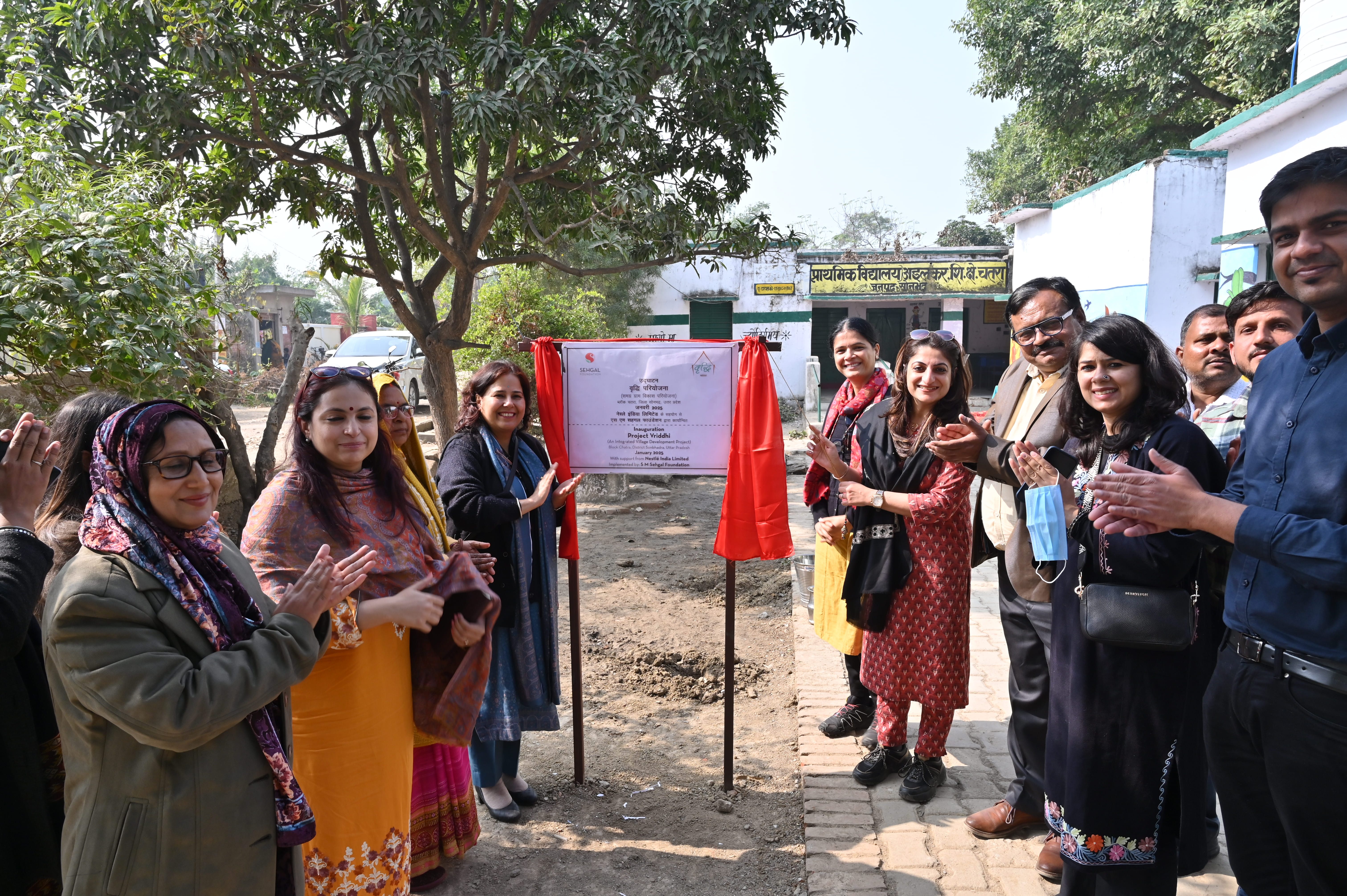
 With its expansion into Sonbhadra, Uttar Pradesh, Nestlé India aims to replicate these impactful interventions to further sustainable rural development in the state.





Nestlé India, in partnership with SM Sehgal Foundation, has announced the expansion of Project Vriddhi, to Sonbhadra district of Uttar Pradesh. This expansion would impact more than 6,000 beneficiaries across Ailkar, Narokhara, Karmanu, Parari, Khurd and Viradhi villages from the Chatra block in the district. Launched in 2019 in Haryana’s Nuh district, Project Vriddhi has positively impacted over 18,000 beneficiaries across 14 villages, through interventions in water conservation, nutrition awareness, education, and sustainable agricultural practices.
Commenting on the milestone, Mr. Sanjay Khajuria, Director, Corporate Affairs and Sustainability, Nestlé India, said, “At Nestlé India, we believe in fostering long-term, sustainable change that uplifts communities and enhances livelihoods. Project Vriddhi has been instrumental in driving positive transformation across villages in Haryana, equipping them with better access to clean water, nutrition, education, and sustainable farming practices. As we extend this initiative to Sonbhadra district in Uttar Pradesh, our focus remains on empowering local communities with the resources and knowledge.”
Speaking on the expansion, Ms. Anjali Makhija, Trustee & CEO, SM Sehgal Foundation, said “It is heartening to see the expansion of Project Vriddhi to newer geographies in Uttar Pradesh. Project Vriddhi has made a positive impact on the lives of rural communities in Haryana in the past five years, and the journey continues with empowering people, and promoting their development.”
Key milestones of Project Vriddhi as of now include the restoration of eight ponds with a combined storage potential of 25 million litres, engaging over 1,000 farmers in sustainable agricultural practices, transforming six schools to provide better learning environments, and equipping around 395 children with digital and life skills. Additionally, 280 women have been trained in nutrition, 133 kitchen gardens have been established, and Village Development Committees have been set up to sustain long-term progress. With its expansion into Sonbhadra, Uttar Pradesh, Nestlé India aims to replicate these impactful interventions to further sustainable rural development in the state.





-23-300x250.png)




















