 Saturday, November 21, 2026
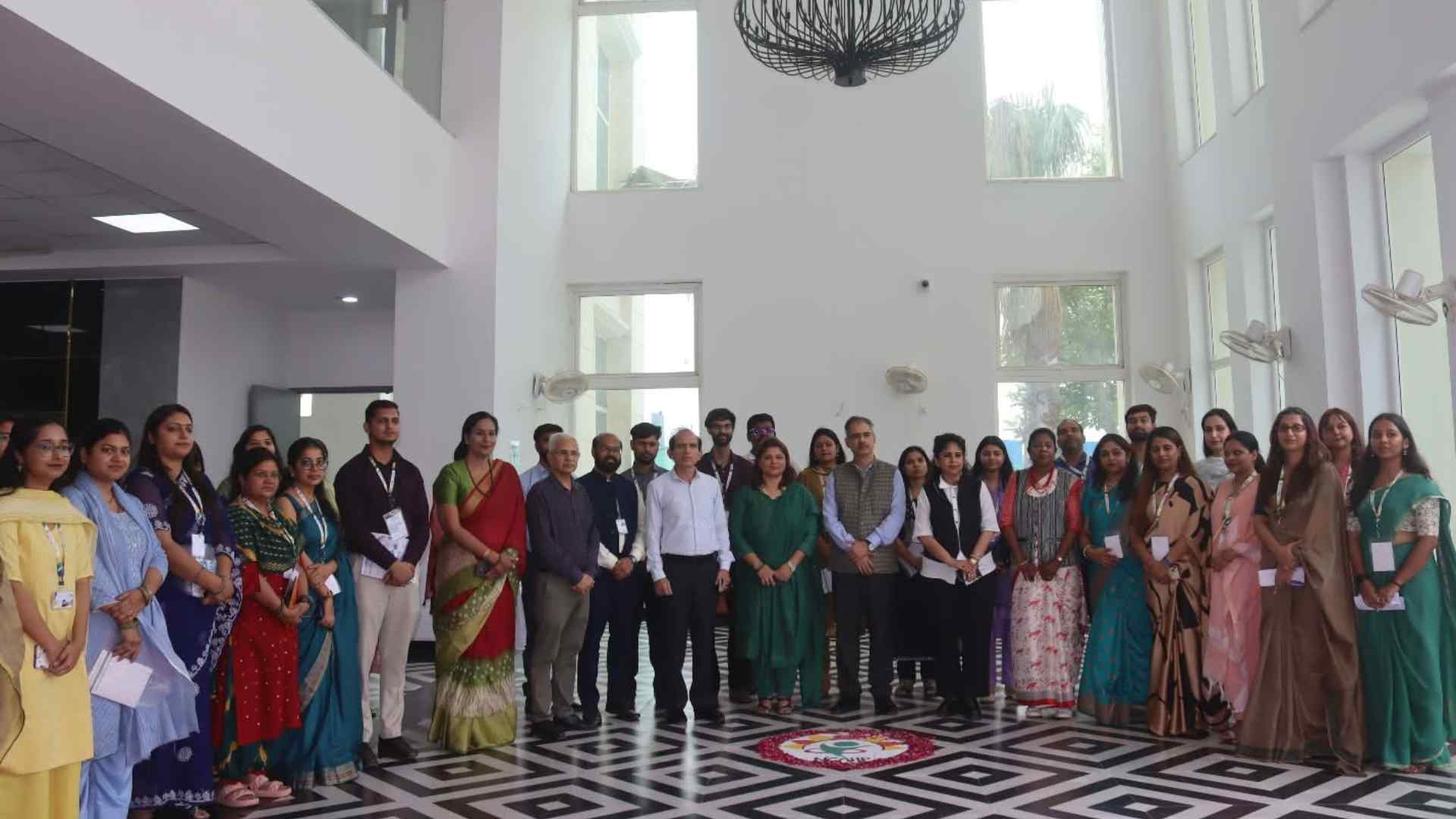
 Hands-on training for faculty under the ‘One Nation–One Curriculum’ theme; experts discuss competency-based education and modern teaching methodologies on Day One.





The School of Allied & Healthcare Sciences (SOAHS), Noida International University (NIU), in collaboration with Noida International Institute of Medical Sciences (NIIMS), commenced a five-day Hands-on Faculty Development Programme (FDP) on “Capacity Building for Effective Implementation of the NCAHP Competency-Based Curriculum.” Organised under the theme “One Nation–One Curriculum,” the programme aims to strengthen faculty understanding of the new competency-based curriculum and equip them with the skills required for its effective implementation.
Education and healthcare experts participating in the programme discussed curriculum design, learning outcomes, modern teaching techniques and the development of professional competencies among students. The programme focuses on ensuring that students receive not only theoretical knowledge but also practical and professional skills aligned with the evolving requirements of the healthcare sector.
The programme is being organised under the guidance and support of Dr. Devesh Kumar Singh, Chairman, Noida International University. Under his leadership, the university has placed strong emphasis on academic quality, innovation and continuous faculty development. Dr. Vikram Singh, Chancellor, Noida International University, in his address, highlighted the need for modern and progressive education and emphasised the importance of preparing healthcare students to meet changing social and professional requirements.
The keynote speaker, Dr. Kamal Pant, Chairperson, Uttar Pradesh State Allied & Healthcare Council and Member, NCAHP Task Force, addressed the participants on “Changing Landscape of Health Education.” He highlighted the transformation taking place in healthcare education and the need to adopt new academic approaches to prepare competent and professional healthcare graduates.
Dr. Kamal Pant stated that the registration of every student of the School of Allied & Healthcare Sciences under NCAHP in their respective state will be ensured, helping them pursue professional opportunities more effectively after completing their education. He also appreciated the efforts of Noida International University in complying with the essential requirements and standards of NCAHP and said that such initiatives would contribute towards providing students with better and standardised healthcare education.
Prof. (Dr.) Uma Bhardwaj, Vice-Chancellor, Noida International University, emphasised the importance of strengthening competency-based education and adopting systematic teaching approaches to prepare the next generation of healthcare professionals.
Dr. Mukesh Parashar, Registrar, Noida International University, shared his views on academic quality, institutional systems and the need for effective implementation of education reforms.
Prof. (Dr.) Supriya Awasthi, Dean, School of Allied & Healthcare Sciences, Noida International University, highlighted the importance of effective curriculum implementation, contemporary teaching methodologies and continuous faculty training in strengthening the quality of allied and healthcare education.
The FDP also featured Dr. Pawan Kumar Popli, NCAHP Professional Council Member and Task Force Member, as a Guest Speaker. He encouraged faculty members to engage in continuous learning, adopt emerging academic techniques and focus on developing professional competencies among students.
Senior university officials, healthcare education experts and faculty members participated in the first day of the FDP. Over the next few days, the programme will feature additional practical and training-oriented sessions focused on the effective implementation of the NCAHP Competency-Based Curriculum.
The initiative reflects Noida International University’s commitment to strengthening academic quality, faculty capacity building and modern teaching practices in allied and healthcare education. It also represents a step towards the “One Nation–One Curriculum” vision by supporting a more standardised, competency-driven and effective approach to healthcare education.





-23-300x250.png)




















