 Sunday, October 11, 2026
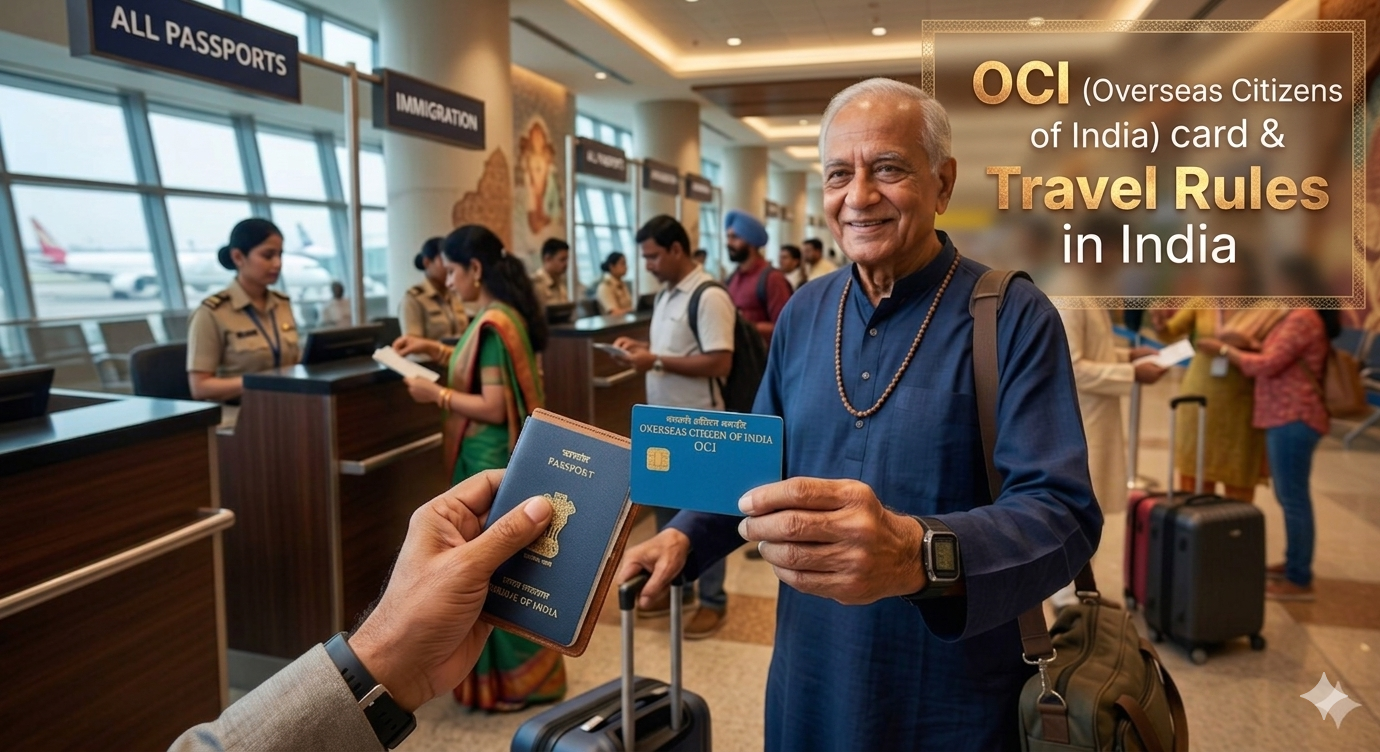
 The application for oci card for india simplifies long-term travel and residency while maintaining global mobility and access to essential services. Understanding india oci application process, rules, and real-world usage helps applicants navigate the system effectively and avoid delays.





Navigating the application for oci card for india often feels confusing, especially with changing rules and documentation requirements. Many applicants struggle with unclear steps, processing delays, and eligibility doubts. The oci visa india system is designed to simplify long-term travel and residency, but understanding how it actually works in real life is key to avoiding mistakes and delays.
Understanding OCI Card and How It Actually Works
The Overseas Citizen of India card is not exactly dual citizenship, but it functions as a long-term visa with extended privileges. The application for overseas citizen of india allows foreign nationals of Indian origin to live, work, and travel freely within India without repeated visa applications.
In real-world scenarios, the india oci system acts as a bridge between foreign citizenship and Indian roots. It allows individuals to maintain global mobility while staying connected to India. However, the system is structured carefully. It does not grant political rights, voting privileges, or full indian citizenship card status.
Many people misunderstand OCI as permanent citizenship. The reality is that it is a lifelong visa with certain limitations. For example, if someone plans to convert oci to indian citizenship, the process involves surrendering foreign citizenship and meeting strict eligibility conditions.
The system also interacts with other frameworks such as Aadhaar, banking, and property ownership. While OCI holders can apply for services like india sim card for oci, access to certain benefits depends on documentation and residency patterns.
Eligibility and India OCI Requirements Explained Clearly
Before starting the application for oci india, understanding eligibility is critical. The india oci requirements are based on lineage, citizenship history, and legal background.
Eligibility generally includes individuals who were Indian citizens or whose parents or grandparents were citizens of India. However, restrictions apply in certain cases. Applicants from countries with specific diplomatic considerations may face limitations.
The india oci visa requirements also include valid passports, proof of Indian origin, and supporting documents such as birth certificates. In practical scenarios, document mismatches are one of the most common reasons for delays.
For example, if names differ slightly across documents, the india oci application process may require additional affidavits or clarifications. This is where many applicants face confusion, especially when applying through the indian embassy oci application route.
Another key aspect is understanding how the government of india oci system verifies documents. The process involves cross-checking with multiple databases, which explains why even small inconsistencies can lead to longer india oci processing time.
Step by Step Application for OCI Card for India
The application for oci card in india follows a structured but detail-heavy process. While it appears straightforward online, real-world execution often requires careful attention.
Core Steps in the India OCI Application Process- Filling the india oci application form accurately matters more than speed
The india oci application form requires precise details that must match official documents. Even minor spelling differences can delay approval. Many applicants rush this step, which leads to rejections or additional verification requests later in the process. - Document upload and verification is where most delays happen
Uploading correct documents in the required format is critical. The system under govt of india oci checks clarity, size, and consistency. Poor scans or unclear documents often lead to resubmission requests, increasing the overall timeline. - Submission through indian embassy or high commission adds layers
Depending on the applicant’s location, the process may involve the high commission of india oci or indian embassy oci card channels. This introduces additional verification layers, which can affect processing speed and communication timelines. - Tracking the application requires patience and interpretation
The status updates in the india oci services portal are often generic. Understanding what each stage means in practice helps manage expectations. For example, “under process” can include multiple internal checks.
OCI Processing Time and Real Expectations
The official india oci card processing time is often stated as a few weeks, but real timelines vary significantly. Factors such as document clarity, embassy workload, and verification complexity influence the outcome.
In practice, the india oci processing time can range from a few weeks to several months. Applicants who submit complete and accurate documents usually experience faster approvals.
Renewals, such as india oci renewal or india oci card renewal, are generally quicker but still depend on updated passport details and compliance with current rules.
Delays are not always negative signals. In many cases, they reflect additional verification rather than rejection. Understanding this helps reduce unnecessary anxiety during the process.
Fees for OCI India and Cost Considerations
The fee for oci india varies based on the country of application and processing location. Applicants applying through embassies may face slightly higher costs due to service charges.
The fee structure covers application processing, verification, and issuance of the OCI card. However, additional costs may arise in practical scenarios, such as document notarization or courier services.
Understanding the fee breakdown helps avoid surprises. Many applicants underestimate indirect costs, which can add up during the process.
Benefits of OCI Card in Real Life Usage
The india visa oci system offers significant advantages for long-term engagement with India. OCI holders can travel freely without repeated visa applications and stay in India without time restrictions.
They can also work, study, and manage financial activities in India. For example, professionals can access opportunities in sectors like healthcare, including working with a hospital in india, or engage in business activities across major cities.
The flexibility of the apply for indian oci pathway makes it attractive for individuals maintaining global careers while staying connected to India.
Limitations and Practical Challenges of OCI
Despite its benefits, OCI has limitations. It does not provide voting rights or eligibility for certain government roles. This distinction is important for those expecting full citizenship privileges.
Challenges also arise in documentation updates. For example, changes in passport details require updates through india oci services, which can be time-consuming.
Another practical issue is understanding how OCI interacts with systems like Aadhaar or insurance. While OCI holders can access certain services, eligibility depends on residency and documentation.
Common Mistakes in OCI Application and How to Avoid Them
Applicants often make avoidable mistakes during the application for oci for india. These include incorrect document uploads, mismatched information, and incomplete forms.
Frequent Errors That Affect OCI Approval- Inconsistent personal details across documents create delays
Differences in names, dates, or spellings between passports and supporting documents often lead to verification issues. Ensuring consistency before submission reduces complications. - Ignoring document format guidelines leads to rejection
The system requires specific formats and sizes for uploads. Applicants who overlook these details often face resubmission requests. - Misunderstanding eligibility criteria results in wasted effort
Not all applicants qualify under india oci rules. Verifying eligibility before applying saves time and resources.
OCI in Everyday Life and Long-Term Planning
The india visa oci application is not just a one-time process. It becomes part of long-term planning for travel, work, and family connections.
For example, OCI holders often use their status for extended stays in Indian cities, managing property, or supporting family members. The system also plays a role in accessing services like education, banking, and insurance.
Understanding how OCI fits into broader life plans helps applicants make informed decisions.
Conclusion
The application for oci card for india is a structured yet detail-sensitive process that requires careful attention. While the system offers flexibility and long-term benefits, understanding its practical aspects is essential.
From eligibility to processing time and real-life usage, every step involves nuances that go beyond basic instructions. With the right approach, the oci visa india pathway becomes a reliable bridge between global living and Indian connection.
Frequently Asked Questions (FAQs)
1. Can OCI card holders live in India permanently without any restrictions?Yes, an india oci holder can stay in India for an unlimited period without needing a visa extension. However, it is not the same as holding an indian citizenship card, so certain rights like voting or government employment are not allowed. In practical use, OCI works more like a lifelong residency permit rather than full citizenship.
2. Is OCI card considered equal to Indian citizenship in legal terms?No, OCI is not equal to an indian citizenship card or full nationality status. It allows long-term stay and work rights but does not grant political or constitutional rights. The government of india oci framework clearly separates OCI from citizenship to maintain legal boundaries.
3. Can I apply for OCI card while staying in India or only from abroad?You can complete the application for oci card in india as well as through an indian embassy oci application abroad. The process remains similar, but local verification may differ depending on where the application is submitted.
4. What happens if my passport changes after getting an OCI card?If your passport changes, you may need to update details through india oci renewal or india oci card renewal services. The process ensures that your OCI details remain aligned with your current passport, which is important for travel and identification.
5. Can OCI card holders access healthcare or insurance in India?OCI holders can access private services such as a hospital in india and purchase insurance plans, but availability depends on provider policies. Public healthcare benefits may not always be accessible without additional documentation.
6. Is Aadhaar card mandatory for OCI holders in India?An adhar card is not mandatory for OCI holders, but it can be useful for certain services like banking or telecom. Eligibility depends on residency duration and documentation, and it is not automatically issued with OCI status.
7. Can OCI holders buy property or invest in India?Yes, OCI holders can invest and buy residential or commercial property in India. This makes the india oci services system useful for long-term financial planning, especially for those maintaining connections with Indian cities and states.
8. How does OCI card help with travel compared to a regular visa?The india visa oci system removes the need for repeated visa applications. Once approved, the OCI card allows multiple entries and long stays, making travel more flexible than a standard visa.
9. Are there any restrictions on working in India with an OCI card?OCI holders can work in most sectors, but certain government roles and restricted professions are not permitted. The india oci rules define these limitations clearly to differentiate OCI from full citizenship privileges.
10. Can OCI status be used as a step toward Indian citizenship later?Yes, some individuals eventually choose to convert oci to indian citizenship, but this requires meeting strict eligibility conditions and giving up foreign citizenship. The process is separate from the application for overseas citizen of india and involves legal evaluation.






.jpeg)










.jpg)
.jpg)
.jpg)
.jpg)
.jpg)
.jpg)


.jpg)