 Thursday, November 19, 2026
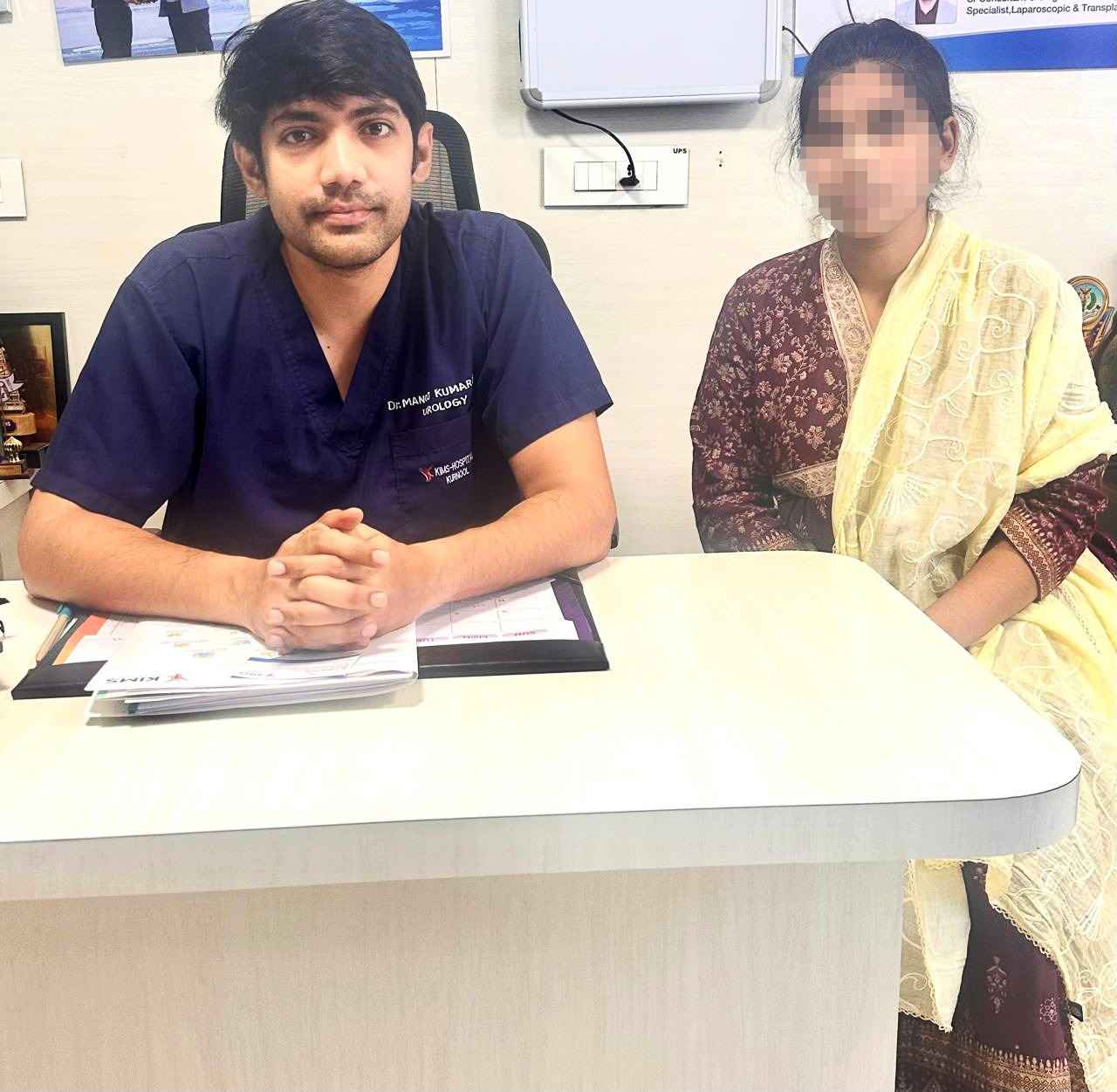
 What began as a routine antenatal ultrasound turned into an unexpected medical concern when doctors detected a large 4 cm kidney stone in a pregnant woman.





Kurnool, February 13, 2026: What began as a routine antenatal ultrasound turned into an unexpected medical concern when doctors detected a large 4 cm kidney stone in a pregnant woman. Despite the absence of symptoms such as pain, fever, or urinary complaints, the size of the stone raised apprehensions. At another hospital, the family was advised to consider termination of pregnancy as a precautionary measure.
Seeking a clear, evidence-based medical opinion, the family consulted Dr. Y. Manoj Kumar, Senior Urologist at KIMS Hospital, Kurnool. After comprehensive evaluation, Dr. Manoj Kumar explained that the mere presence of an asymptomatic kidney stone does not warrant termination of pregnancy. As both the mother and the foetus were clinically stable, there was no immediate need for surgical intervention.
In accordance with established medical guidelines, the team recommended continuation of the pregnancy with close and regular monitoring, avoiding unnecessary intervention during the critical gestational period. The primary focus, he emphasised, was safeguarding both maternal safety and foetal well-being.
With continuous supervision, the pregnancy progressed smoothly, and the woman delivered a healthy baby without complications. Post-delivery, at an appropriate and medically safe interval, a planned intervention was undertaken to treat the kidney stone.
Two months after childbirth, the patient underwent Percutaneous Nephrolithotomy (PCNL), an advanced minimally invasive endoscopic procedure. The 4 cm kidney stone was completely removed, and the function of both kidneys was fully preserved.
“Not every medical diagnosis requires immediate action. Sometimes, the right decision at the right time is the best form of treatment,” said Dr. Manoj Kumar.
This case highlights how timely, evidence-based decision-making and carefully planned surgery can not only protect a mother’s long-term health but also ensure a safe future for her child.





-23-300x250.png)





















