 Wednesday, November 18, 2026
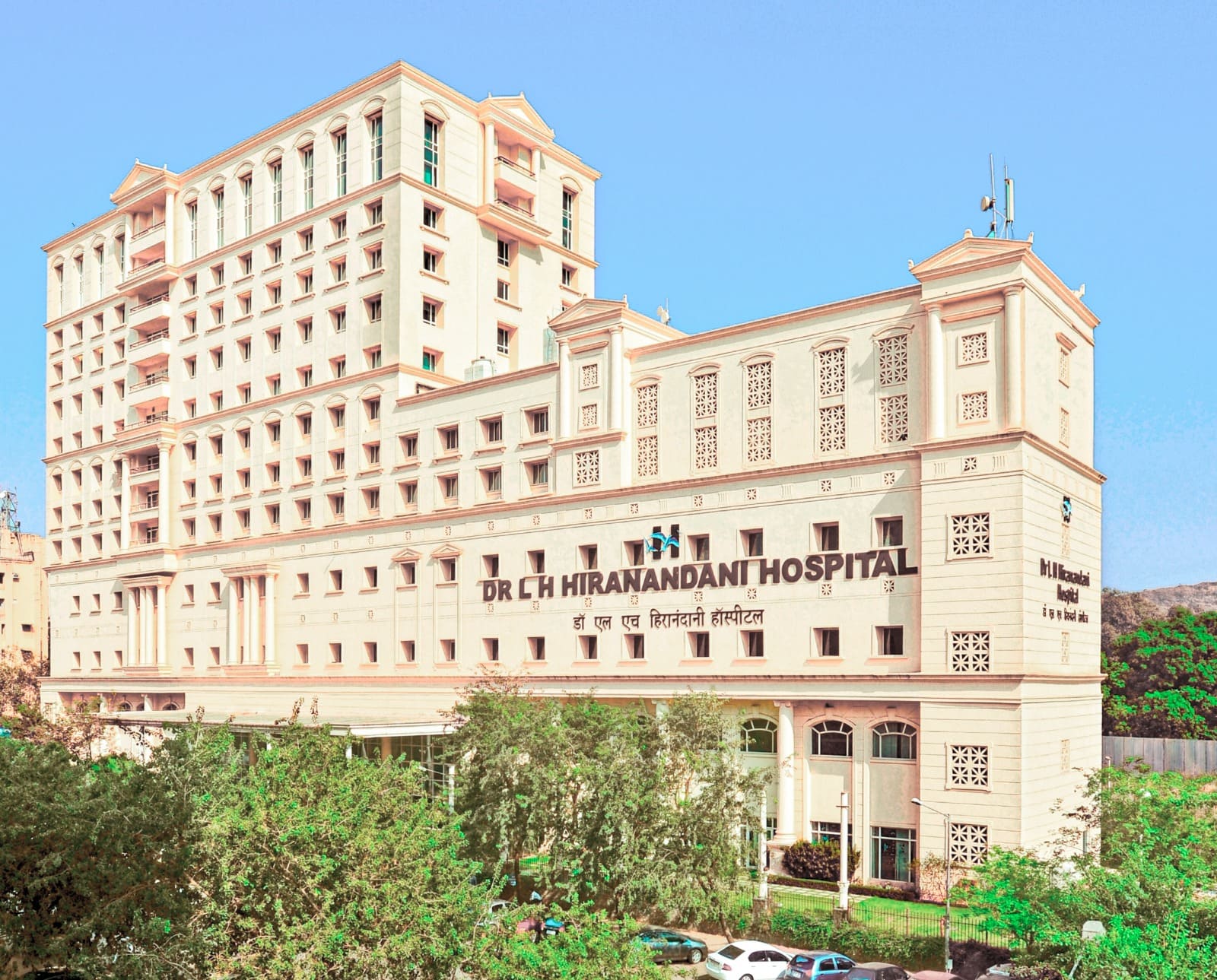
 HOSMAC, Asia’s leading Hospital Planning, Design and Management Consultancy, is proud to share that one of its earliest projects as Hospital Consultants, Dr L H Hiranandani Hospital, Powai, Mumbai, has been awarded the LEED Platinum Certification by the U.S. Green Building Council (USGBC), the highest global recognition for green buildings.





HOSMAC, Asia’s leading Hospital Planning, Design and Management Consultancy, is proud to share that one of its earliest projects as Hospital Consultants, Dr L H Hiranandani Hospital, Powai, Mumbai, has been awarded the LEED Platinum Certification by the U.S. Green Building Council (USGBC), the highest global recognition for green buildings. This milestone comes more than two decades after the hospital first began operations.
The certification places Dr L H Hiranandani Hospital among the most environmentally responsible healthcare facilities worldwide, underscoring its commitment to sustainability, energy efficiency, and creating a healthier environment for patients, staff, and the community.
As the Hospital Consultant for medical planning and overall project coordination up to the commissioning stage, HOSMAC played a key role in shaping the hospital’s efficient and patient-centric infrastructure. The project stands as a benchmark in sustainable healthcare development and reflects HOSMAC’s long-standing expertise in creating future-ready healthcare environments where patient care, operational excellence, and environmental responsibility align seamlessly.
Key highlights of the hospital’s sustainability journey include:
- Optimizing energy and water efficiency
- Reducing carbon footprint
- Creating healthier indoor spaces
- Promoting responsible resource use
This recognition not only celebrates Dr L H Hiranandani Hospital’s pioneering efforts but also highlights a growing shift in India’s healthcare sector towards greener, more resilient infrastructure. As healthcare demands continue to evolve, projects like this demonstrate how thoughtful design and long-term vision can create hospitals that are both patient-centric and environmentally responsible.





-23-300x250.png)





















