
Overcharging Under the Spotlight: PGI Chandigarh Exposes Medicine Rates Online

▴ Medicine Rates
Patients must also understand costs. Otherwise, they never know when they’re exploited. The clarity makes equity effective.

Hello! If you're looking for high-quality genericmedications, fast delivery and excellent customer service, ourstore is the right choice for you. With over 20 years of onlineexperience, we guarantee safe, effective products that are alwaysin stock. Delivery within 48 hours, free shipping from $200, and 100% money-back guarantee if your order doesn't arrive on time.

👉 Order now at BestCheapPills and discover exclusive discounts for registeredcustomers!
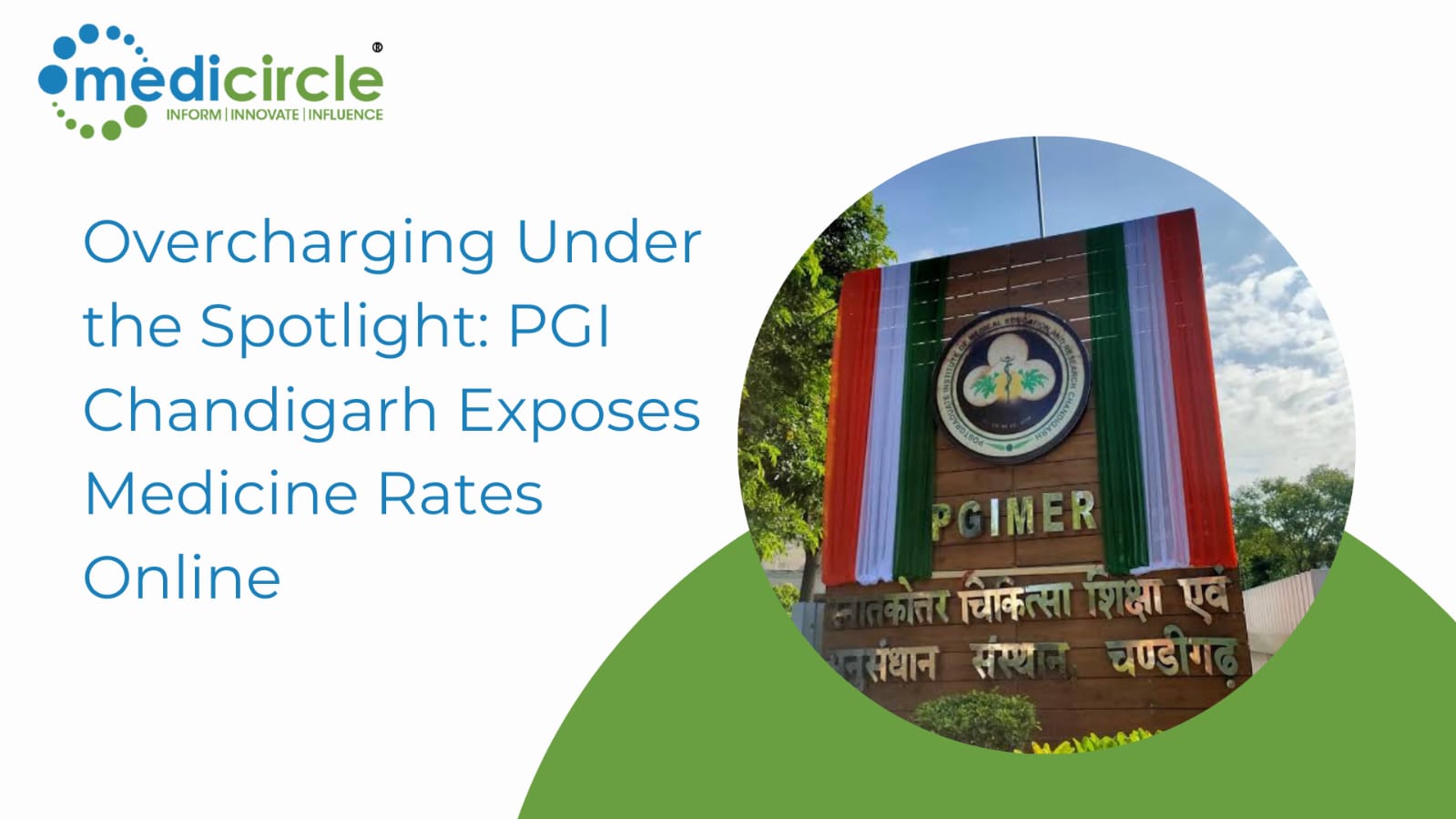
In the maze of medical corridors, where anxiety often outpaces hope, prescription for clarity can be just as healing as any tablet. This stride toward clarity arrived recently at PGI Chandigarh in an unprecedented form: a publicly accessible rate list spanning more than 5,000 medicines and surgical consumables uploaded to its official portal. Patients no longer guess whether the pharmacist’s figure is fair; now, they can verify it directly. This gesture may seem modest, but what it signals is profound: healthcare, transparently shared, empowers more than anytime before.

This transparency move serves as a direct response to persistent worries about inflated costs in hospital pharmacies. Investigations revealed private chemists within PGI billing up to 50% more than nearby comparable stores or the government-backed AMRIT outlets. Despite contractual obligations for discounts, these stores were adjusting MRPs so patients paid more than they needed. Uneven pricing had fostered mistrust. The rate-list initiative, therefore, cuts through this fog: trust can now be effortlessly validated online.

Drilling deeper, the real promise lies in trust that cannot be contested. Imagine a daily-wage family, exhausted in the emergency waiting room, struggling with sudden hospitalization costs. Now they can confirm that the medicine they’re told costs ₹500 is actually listed at ₹250. They aren’t negotiating decisions; they’re making informed ones. This kind of transparency shifts power from hearsay to evidence.

Further attention is warranted because PGI houses the most extensive AMRIT framework in any public hospital in India with nine outlets offering deep discounts. Translating that into patient savings is consequential. But until now, visibility was lacking. The new digital catalog demystifies cost, turning assumptions into clarity: patients can shop, compare, and hold chemists accountable.

Singapore and South Korea have long harnessed visible drug pricing in national health systems. In India, this is trailblazing. If elsewhere hospitals have reactive transparency i.e., producing bills after purchases, PGI’s step is proactive: price information is out there before the exchange. When practice becomes policy, the effect is real.

Importantly, this is only the first stride. PGI has signaled it won’t tolerate violations: off-board vendors charging above listed rates will face strict penalties. Meanwhile, the institute is phasing out private chemist shops within hospital boundaries, shifting them into market zones. The hope? AMRIT and, perhaps soon, Jan Aushadhi stores become the default and fair vendors.

But let’s not forget that transparency isn’t just public empowerment it’s policy justice. The rent cuts that enabled AMRIT access involve no small sums. That means those savings should benefit patients if not hospitals. If the infrastructure subsidizes low-cost care, the follow-through lies in posting fair prices and prosecuting excess not hiding costs behind partitions and unchecked markdowns.

As always, pilots like these require vigilance. A rate list doesn’t declutter mistrust overnight. Patients must use it. Hospitals must monitor it. Policies must ensure updates and supplant ambiguous purchases with verifiable routine. It’s easier to post prices once; keeping them current takes diligence.

For context, similar price boards in government-run hospitals have improved medicine adherence and public confidence. Research shows when people feel the system isn’t playing games, they follow prescriptions more closely. That can boost outcomes. At PGI, transparency is likely to make treatments more effective, and less stressful.

PGI’s action also resonates with larger systemic policy. Healthcare equity demands affordability, but affordability alone isn’t enough. Patients must also understand costs. Otherwise, they never know when they’re exploited. The clarity makes equity effective.


This digital list is also a model for other institutions. Once again, PGI is leading, not trailing. If other hospitals replicate or upgrade they may also evolve into truly transparent ecosystems.

Most importantly, PGI’s move is not an end but a beginning. Here’s what could come next: digital comparison tools between chemists, automatic alerts when prices diverge, or an SMS-based price check. Even an AI chatbot that helps patients understand generic alternatives. Each step adds to the trust architecture.

In conclusion, a hospital’s proposal is not to just heal bodies but restore faith. When you can see the cost, you can make the choice. When your personalized medicine intersects with broader justice, liberation is born. PGI health now carries two promises: good care and clear care

Tags : #PGIChandigarh #HealthcareTransparency #MedicinePrice #PatientsFirst #RightToKnow #AffordableHealthcare #PatientEmpowerment #HealthJustice #TransparentCare #FairHealthcare #HealthcareReform #PublicHealthIndia #MedicalAccountability #PolicyInAction #HealthEquity #HospitalReform #TrustInHealthcare #smitakumar #medicircle

Related Stories

Loading Please wait...

-Advertisements-


Trending Now

Menopause Symptoms Explained: What Every Indian Woman Should KnowJuly 25, 2026
Sleep Deprivation and Its Hidden Impact on Your Health: What Every Indian Should KnowJuly 25, 2026
Air Pollution and Health Effects: What Every Indian Must KnowJuly 25, 2026
NABH Accreditation Explained: What It Means for Indian Hospitals and PatientsJuly 25, 2026
The ePlane Company and Apollo Hospitals Join Forces to Bring India's Golden Hour Within ReachJuly 23, 2026
Importance of Women's Health Screening: A Comprehensive Guide to Preventive CareJuly 23, 2026
Can Diabetes Be Reversed? What Indian Patients Need to KnowJuly 23, 2026
Heart Attack vs. Cardiac Arrest: Key Differences Every Indian Should KnowJuly 23, 2026
Hepatitis B and C: Understanding Transmission, Testing, and TreatmentJuly 23, 2026
The Digitization of Care: How Healthtech and Digital Self-Management Tools are Transforming Patient OutcomesJuly 22, 2026
Telemedicine Ethics: Maintaining Patient Privacy and Clinical Quality in Virtual ConsultationsJuly 22, 2026
Diabetes Complications Explained: Causes, Warning Signs, and Prevention for Indian PatientsJuly 22, 2026
Exercise and Heart Health: Understanding the Vital Connection for Indian ReadersJuly 22, 2026
pediatric-nutrition-essential-vitamins-for-school-going-childrenJuly 22, 2026
Monsoon Health: Preventing Waterborne Diseases in Your FamilyJuly 22, 2026
Best Foods for Heart Health: A Practical Guide for Indian DietsJuly 21, 2026
Diabetes Diet Guide: A Complete Approach to Eating Well with DiabetesJuly 21, 2026
Understanding ECG Reports: What Every Patient Should KnowJuly 21, 2026
What Happens During Surgery? A Complete Guide for Patients in IndiaJuly 21, 2026
Healthcare Trends in 2026: What India's Doctors, Hospitals, and Patients Need to KnowJuly 18, 2026


















