Tuesday, October 27, 2026
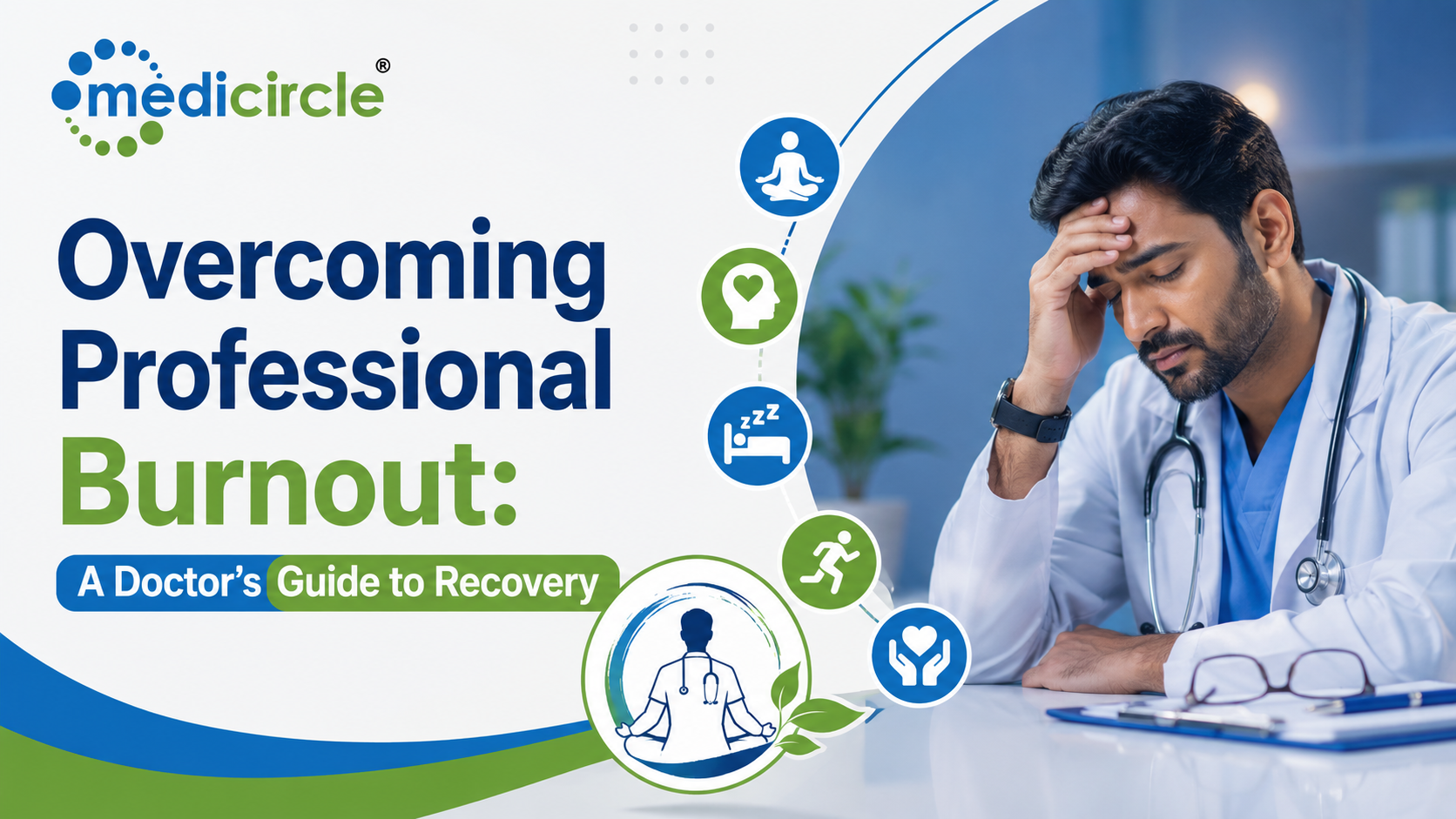
 By learning how chronic stress changes your body, identifying your personal warning signs early, and setting realistic boundaries, working professionals can successfully navigate the path to recovery and balance.




Corporate Burnout Recovery Guide
The modern corporate landscape across major Indian metros like Mumbai, Bengaluru, and Delhi NCR has brought fantastic career growth, but it has also rewritten the rules of daily life. With grueling traffic commutes and smartphones keeping employees tethered to desks constantly, the line between office hours and personal peace has completely dissolved. Recent health studies show that a staggering number of Indian corporate workers experience severe daily pressure, making workplace stress one of the fastest-growing health crises today. It is incredibly common to wake up feeling just as exhausted as when your head hit the pillow, watching your professional passion slowly morph into resentment.
This deep sense of physical and mental exhaustion goes far beyond ordinary tiredness, as it represents true employee burnout. Officially recognized by the World Health Organization as an occupational phenomenon, professional burnout happens when intense, ongoing job pressure is left unmanaged. To protect your well-being, it helps to understand what this condition does to your system. Spotting the warning signs early lets you take practical, clinically backed steps to reclaim your health before serious medical issues set in.
Medical Basis of Burnout
When you are subjected to unrelenting workplace stress without sufficient downtime, your biology shifts. Normally, a stressful event triggers your adrenal glands to pump out stress hormones like cortisol and adrenaline. This chemical surge is designed to be a temporary fix, helping you tackle immediate hurdles before your body dials everything back to baseline.
But when work demands remain aggressively high week after week, that internal alarm bell never stops ringing. Your hormonal system stays stuck in an active state. Over time, an overproduction of cortisol wreaks havoc on your sleep architecture, weakens your immune response, and alters metabolic function. This profound internal imbalance explains why corporate burnout cannot be resolved with a quick weekend getaway. Healing requires a deliberate, structured approach to soothe an overstimulated nervous system and reset your physical equilibrium.
Key Signs and Symptoms
Spotting corporate burnout requires taking an honest look at three core pillars of your well-being, which include physical vitality, emotional state, and your sense of professional competence.
Physical Exhaustion Signs
Severe physical fatigue is a hallmark sign, often hanging over you regardless of how many hours you sleep. People struggling with chronic stress frequently deal with recurring tension headaches, tight muscles, and persistent stomach issues like severe acidity or irritable bowel symptoms. Because long-term occupational pressure dampens your immune defense, you might also find yourself catching frequent colds or infections.
Behavioral and Emotional Changes
Emotionally, burnout changes how you view your job, bringing on heavy waves of cynicism, depersonalization, and detachment. Routine team meetings might leave you feeling unusually irritable, and a profound sense of dread often sets in before the workday even starts. You might also find yourself withdrawing from family members and social circles just to cope with emotional exhaustion.
Cognitive Performance Decline
High workplace stress also impacts the prefrontal cortex, which is the part of the brain handling your executive functions. As a result, you might notice your concentration slipping, struggle to make basic everyday decisions, experience unusual forgetfulness, and watch your general productivity drop significantly. This mental fatigue can easily lead to a state of quiet burnout, where you appear productive outwardly but feel completely drained inside.
Indian Corporate Root Causes
The steep rise in corporate burnout across India is deeply tied to modern structural and cultural realities in our job market. Because the talent pool is exceptionally competitive, a cultural mindset has emerged that associates working late into the night with professional dedication and job stability. Recent employment data confirms that Indian employees face some of the highest workloads globally, often driven by expectations of endless availability.
Compounding this is the shift to remote and hybrid work set-ups, which has unintentionally dissolved the separation between home and office. Dealing with late-evening emails, weekend chat groups, and the unwritten rule of instant replies means your mind never gets the chance to truly power down. When immense professional expectations collide with very little control over your actual schedule, the risk of hitting a wall increases significantly.
Clinical Implications of Stress
Sweeping these symptoms under the rug can eventually trigger much larger medical challenges. Keeping your stress hormones constantly elevated is closely linked to cardiovascular strains, such as high blood pressure, hypertension, and an elevated resting heart rate.
At the same time, this continuous psychological wear and tear acts as a fertile ground for clinical anxiety and depressive conditions. When your energy is completely bottomed out, it becomes much harder to maintain healthy habits. This often leads to relying too heavily on caffeine, reaching for processed, high-sugar comfort foods, and skipping exercise entirely, which are habits that collectively raise your vulnerability to type 2 diabetes and metabolic imbalances. Addressing corporate burnout early is vital for safeguarding your long-term health.
Framework for Full Recovery
Reversing corporate burnout requires a step-by-step roadmap that focuses on lifestyle adjustments, physiological healing, and protective workplace boundaries. Medical professionals stress that recovery is an incremental journey requiring simple, deliberate habits.
Prioritizing Sleep Architecture
Rebuilding a chaotic sleep cycle is the absolute first step toward physical recovery. Aim for a consistent seven to eight hours of undisturbed rest each night. Implementing a calming evening routine, such as turning off all work notifications and screens an hour before bed, helps drop your cortisol levels so you can transition into deep, restorative phases of sleep.
Nutritional Support and Activity
Fueling your body with nutrient-dense whole grains, lean proteins, and plenty of fresh vegetables provides the foundational building blocks for cellular healing. Alongside nutrition, introducing thirty minutes of moderate movement, whether that is a brisk evening walk, a dedicated yoga session, or cycling, naturally suppresses stress chemicals while boosting the endorphins that lift your mood and focus.
Setting Non-Negotiable Boundaries
True healing cannot take root if you keep returning to the exact environment that drained you. Establishing rigid boundaries around your working hours is vital. This means picking a specific time to log off your communication apps, leaving work entirely out of your weekends, and practicing clear communication with your team regarding workload limits.
Rebuilding Long Term Resilience
Once you begin feeling like yourself again, the focus shifts to creating a sustainable workflow so you do not slip back into old patterns. Integrating tiny, structured pauses throughout your workday gives your nervous system a chance to decompress. Dedicating just five minutes between meetings to focus on your breathing or step away from your screen stops daily stress from building up into something unmanageable.
It is also incredibly helpful to step back occasionally and look at your career path. Ensuring your daily tasks match up well with your genuine strengths and personal values cuts down on the internal friction that drives emotional exhaustion. Finally, keeping a close-knit circle of trusted friends, family members, or healthcare professional resources provides an invaluable safety net when professional demands spike.
Frequently Asked Questions
How can I tell the difference between ordinary fatigue and genuine corporate burnout?
Standard work exhaustion usually clears up after a weekend of deep rest or a brief vacation. Corporate burnout is costly and vastly different because it is a state of systemic depletion. If you take a holiday and return to your desk feeling just as drained, detached, and unmotivated as before, your body is telling you that the workplace stress has advanced into true burnout.
Do I need to quit my job or take a massive sabbatical to get better?
You do not necessarily need to leave your employment. While a structured medical leave can be a massive help in severe cases, many people successfully recover by making practical changes right where they are. Focus on fixing your sleep habits, protecting your personal time, and restructuring your day, because sustainable, small daily habits are much more powerful than temporary vacations.
When should someone seek professional medical help for intense work stress?
You should absolutely connect with a doctor or mental health professional if your symptoms start severely disrupting your everyday life. Red flags include ongoing insomnia, chronic physical symptoms like chest tightness or stomach pain, or feeling completely hopeless and overwhelmed by anxiety. Getting ahead of it early prevents broader systemic health problems down the road.
Conclusion
Professional corporate burnout is a serious health matter that demands a careful, supportive approach to heal. Experiencing it does not mean you lack dedication or resilience, but it is simply a physical signal that your system has carried a heavy load of workplace stress for far too long. By learning how chronic stress changes your body, identifying your personal warning signs early, and setting realistic boundaries, you can successfully find your way back to balance. Taking care of your health, leaning on trusted medical resources like MediCircle, and building sustainable habits ensures you can enjoy a long, thriving, and balanced career.





-23-300x250.png)

.jpeg)





.jpg)
.jpg)
.jpg)
.jpg)
.jpg)
.jpg)
.jpg)
.jpg)
.jpg)